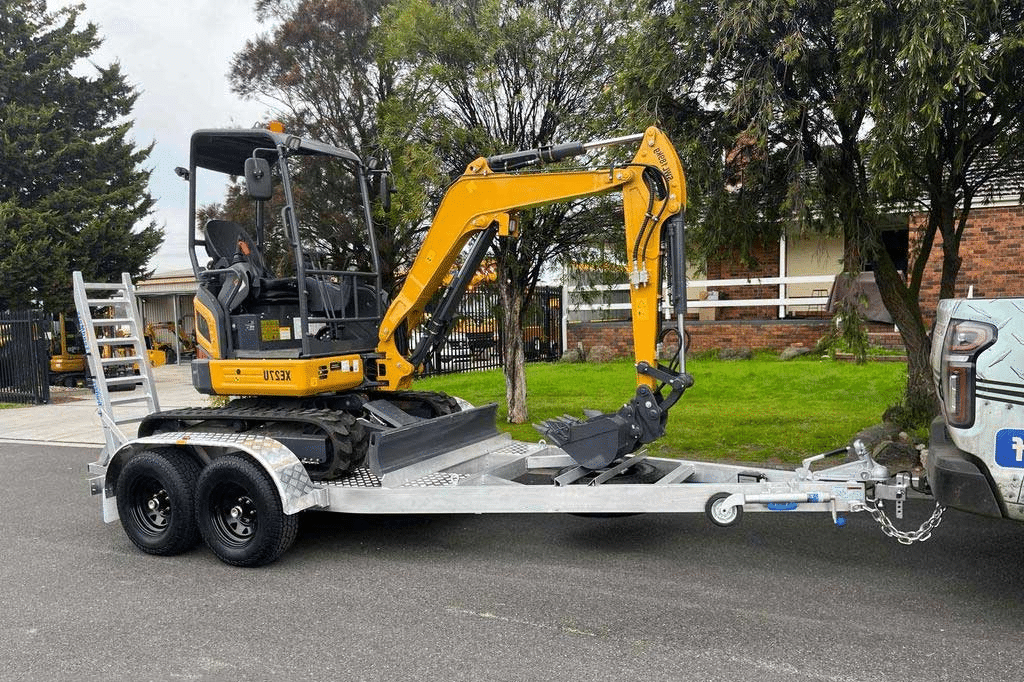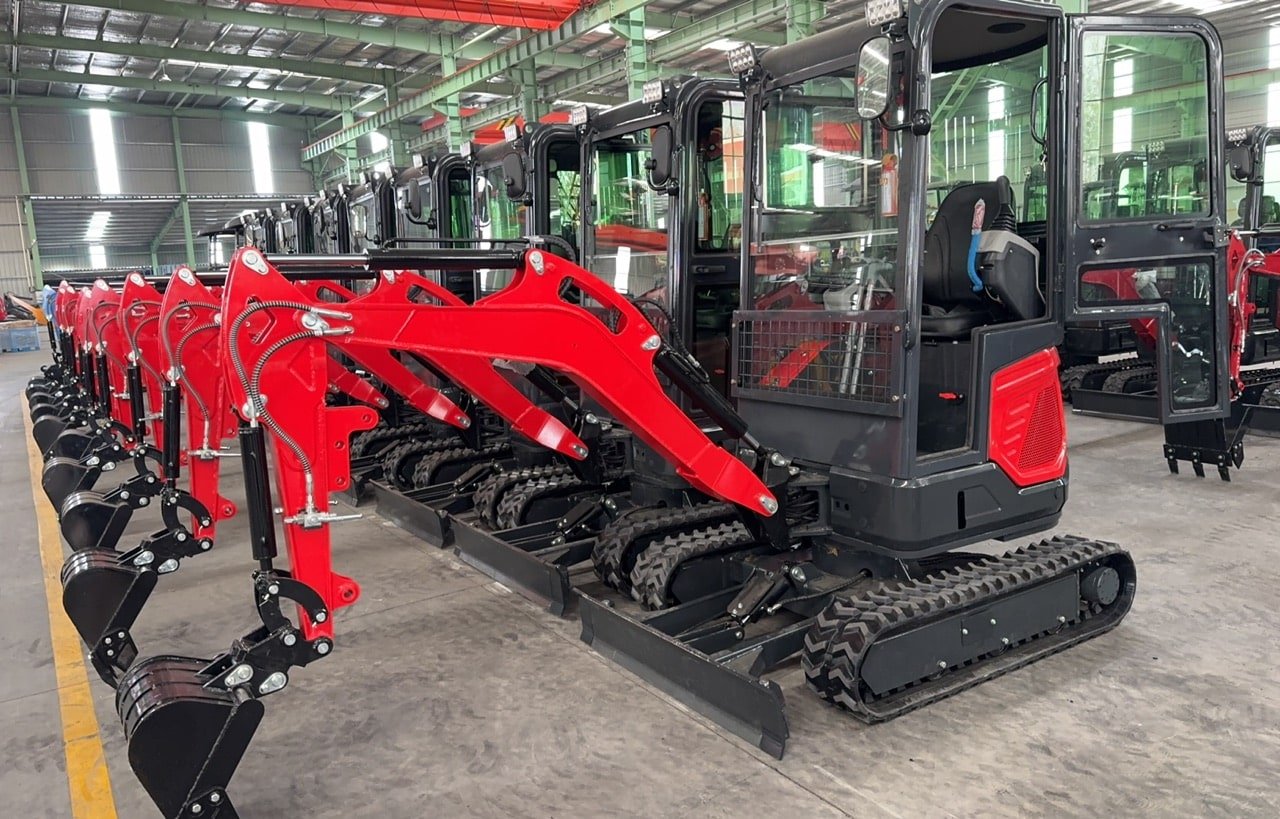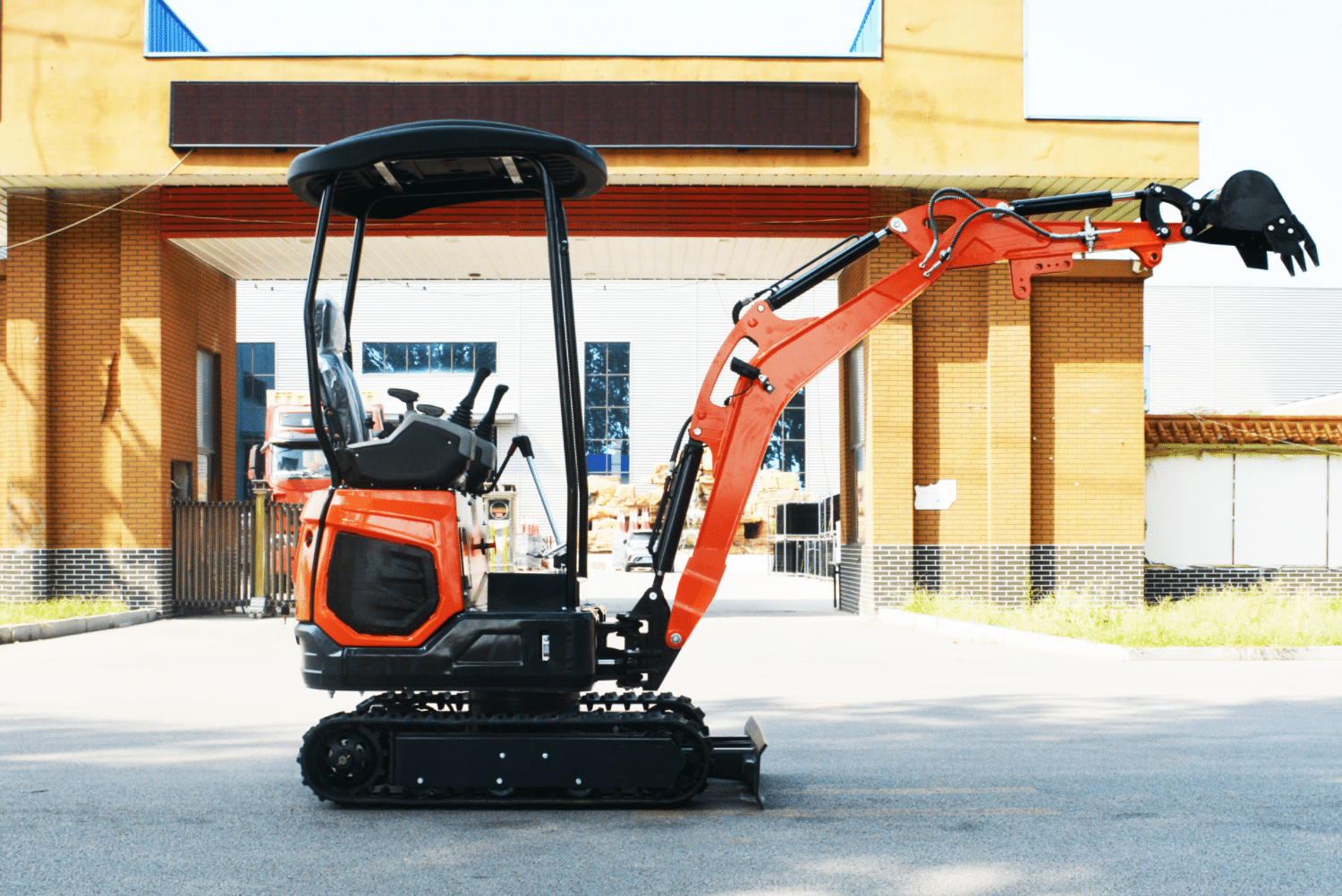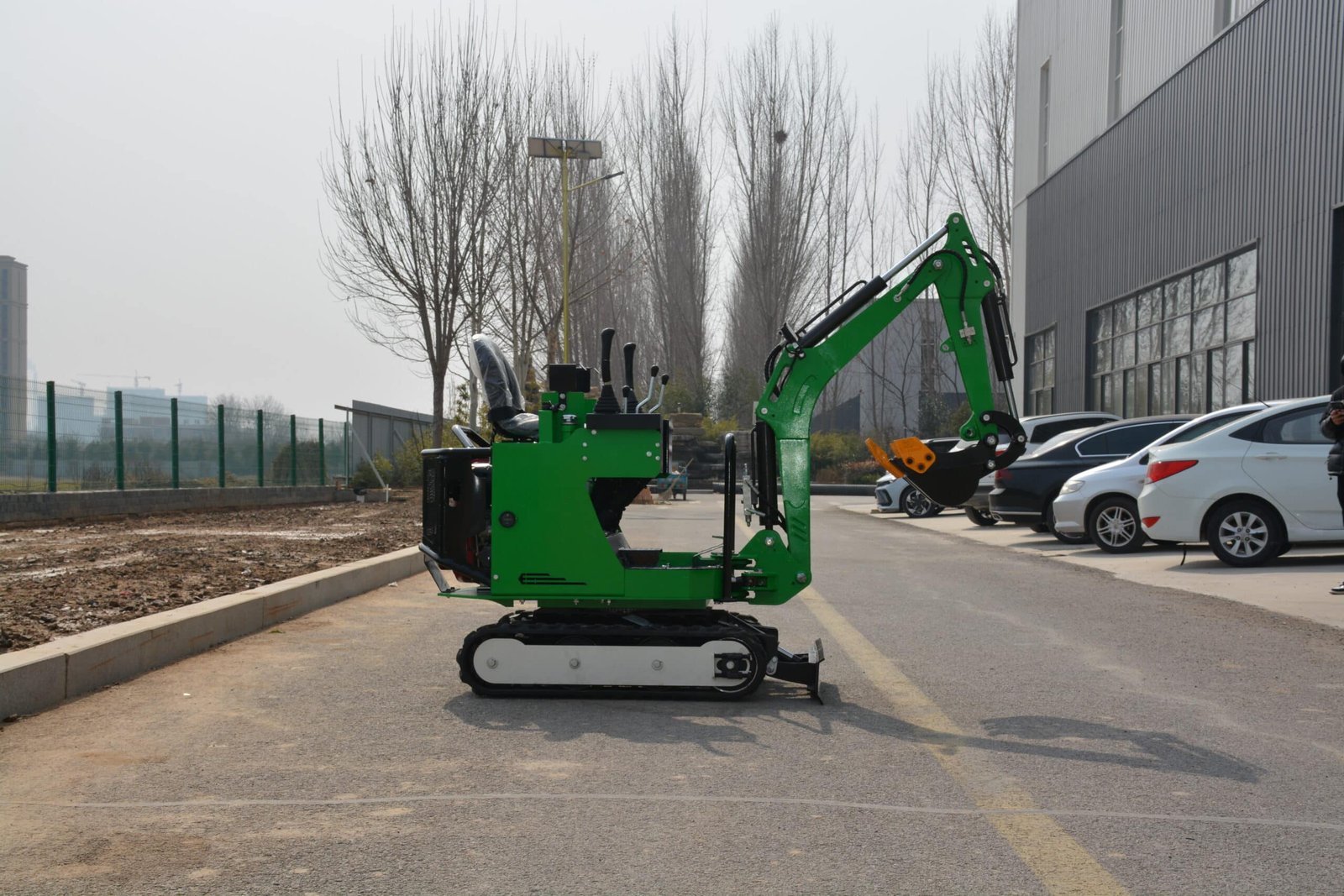
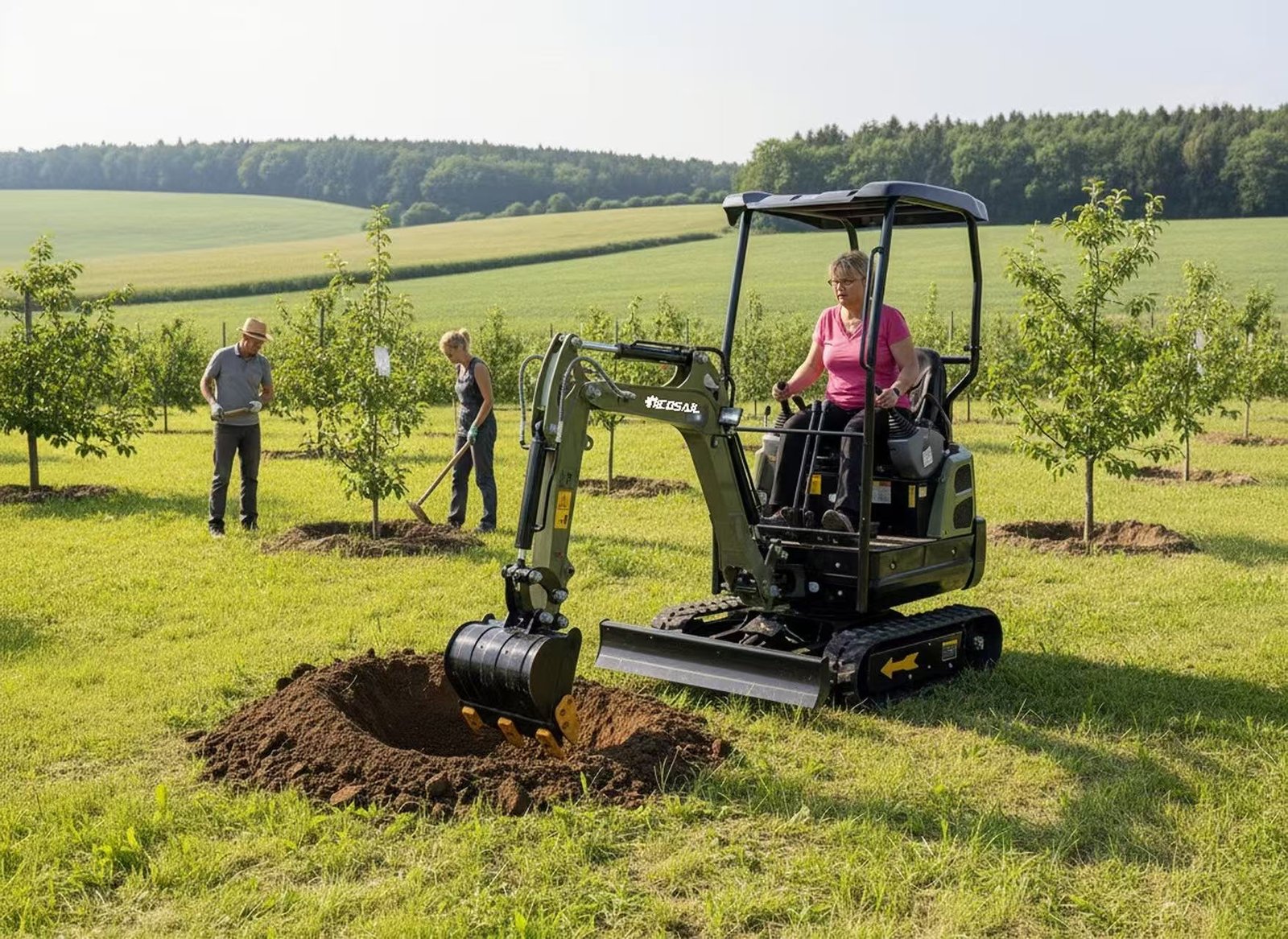
Modern agriculture is not only about planting more acres or buying bigger tractors. A lot of farm profit is decided by small things that happen every week: whether water leaves a wet field fast enough, whether irrigation lines stay working, whether orchard rows are prepared cleanly, whether fence work gets finished on time, and whether one machine can handle ten different jobs without wasting labor. That is where mini excavators are becoming more valuable. They are not replacing core farm machines, but they are taking over the hard, messy, in-between jobs that slow a farm down. Bobcat even lists agriculture as a major use case for compact excavators, including irrigation channels, land clearing, fencing, tree and stump removal, and work around feed storage or shelters.
What makes a mini excavator useful on a farm is simple: it fits where larger equipment is awkward, it can dig with precision, and it can switch from one task to another without needing a separate machine for each job. On a real farm, that matters more than flashy specs. One day the machine may clean a ditch. The next day it may trench for a water line, drill fence-post holes, lift rocks out of a headland, shape an orchard berm, or open up a drainage outlet. That kind of flexibility is exactly why these machines are becoming part of modern farm planning instead of being seen as “nice to have” equipment.
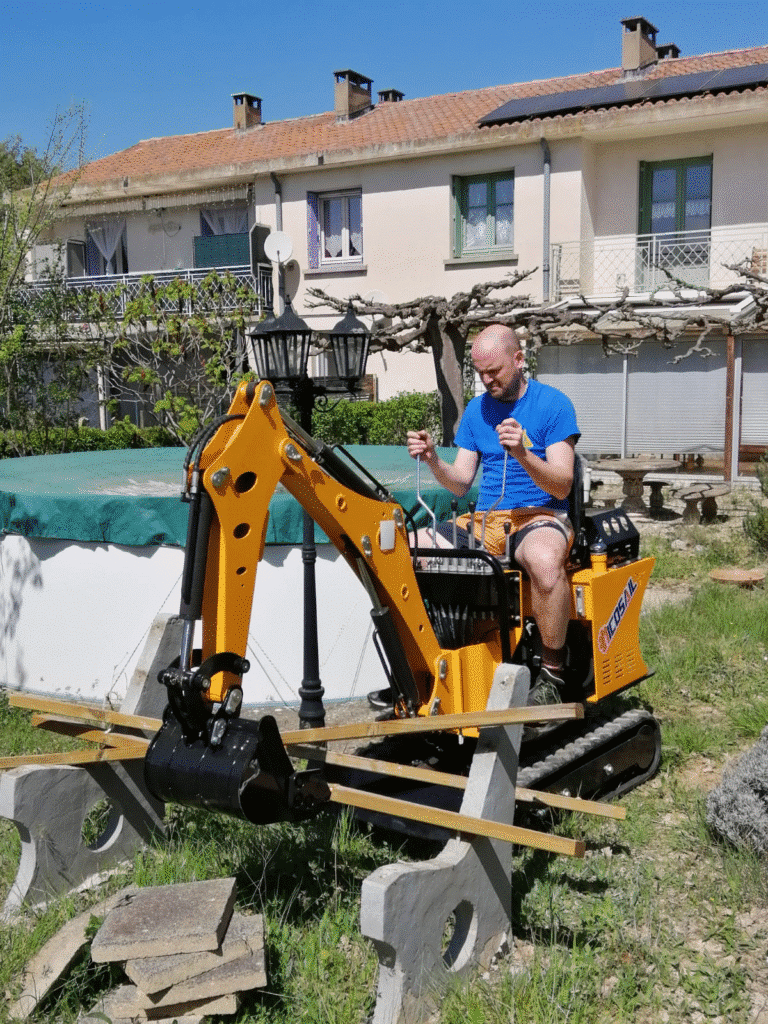
Why mini excavators are becoming more important on farms
Farm work has changed. Many operations want to get more done with fewer people, tighter timing, and better control over water. Minnesota Extension explains that farmers invest in drainage mainly because better drainage can improve crop conditions and help fields become ready in time for tillage, planting, and harvesting. North Dakota State adds another useful point: tile drainage removes excess gravitational water rather than the water the plant actually uses, and better drainage can support deeper roots and more consistent conditions from year to year. In plain words, better water control usually means better timing, better root conditions, and fewer headaches when the season turns wet.
That is exactly why a mini excavator fits modern agriculture so well. A farm often does not need a large excavator sitting around full time. What it needs is a machine that can respond quickly when there is a blocked outlet, a broken water line, a low area holding water, a livestock lane that needs a culvert, or a new orchard block that needs prep work. A mini excavator is small enough to move around the farm easily, but still strong enough to do real digging, grading, lifting, and trenching. That balance is what makes it useful from drainage all the way to crop management.
How mini excavators support drainage and better field conditions
Drainage is usually the first place where mini excavators prove their value. University of Minnesota explains that agricultural drainage uses surface ditches, subsurface pipes, or both to remove excess water from poorly drained land. Illinois’ drainage guide adds that a subsurface drainage system can work for many years when it is carefully planned, properly installed, and built with good materials, but it also warns that the whole system only works as well as its outlet. That is a very practical point. On many farms, the problem is not only inside the field. It is also the ditch, culvert, outlet, or low area where the water is supposed to go.
A mini excavator helps at several stages of that work. It can clean and reshape field ditches, open blocked outlets, cut small trenches for spot drainage, place or expose culverts, and handle repair work around tile outlet areas. On smaller farms or mixed farms, that can save calling in a larger contractor every time a minor drainage job shows up. On larger farms, it becomes a support machine that handles the repair and maintenance work between major drainage projects. That does not mean the machine replaces proper drainage design. It means it makes the day-to-day side of drainage much more manageable.
There is another reason this matters: drainage is not only a wet-year issue. NDSU notes that the biggest gains from tile drainage are often seen in wet years, but also explains that improved root development can help crops access moisture better in dry years. That surprises many buyers. They assume drainage only removes water. In reality, good drainage is part of better root-zone management, better field access, and more stable crop performance over time. A mini excavator contributes by making the installation, repair, and maintenance side of that system faster and more affordable on the farm level.
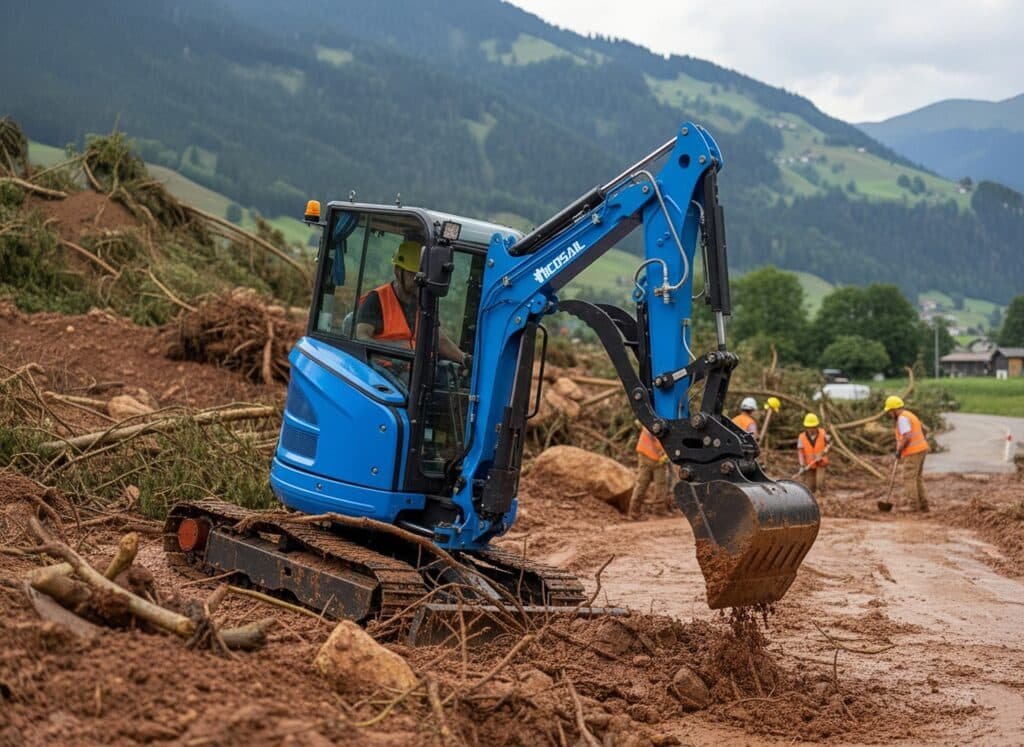
Their role in irrigation and water delivery
Irrigation is the second big area where mini excavators are helping agriculture. Bobcat specifically points to digging irrigation channels and ditches as a farm application, and Texas A&M’s guidance for subsurface drip irrigation shows why excavation matters so much: installation involves trenching, setting mainlines and manifolds, backfilling, and then connecting the system so water can move reliably through the field. In other words, the water system may look technical on paper, but on the ground it still depends on accurate trenching and careful physical installation.
This is where mini excavators quietly save time. They can trench for buried water lines, open and repair sections of irrigation systems, shape small channels, prepare pump or valve areas, and backfill cleanly without tearing up too much surrounding ground. For row crops, vegetable farms, nurseries, and orchards, that precision matters. A sloppy trench creates extra repair work later. A narrow, clean trench is easier to close, easier to check, and less disruptive to nearby rows or traffic lanes.
Oregon State Extension makes another useful point about irrigation efficiency: regular maintenance helps prevent costly repairs, improves irrigation efficiency, and keeps systems working correctly. It also recommends routine inspection, flushing pipelines, repairing leaks, and checking valves, fittings, and pressure issues. That tells the real story. On many farms, water efficiency is not only about adding new technology. It is also about maintaining the ditches, pipes, valves, and access points already in place. A mini excavator becomes the machine that makes those repairs practical instead of delayed.
Oregon State also notes that reducing losses in ditches, canals, and pipelines, and improving control structures such as gates and valves, can improve flow regulation and delivery consistency. That is a good reminder that crop management starts with water management. A farm can buy better seed, better nutrients, and better chemicals, but if water delivery is uneven or unreliable, those investments do not perform the way they should. A mini excavator supports that whole chain by making water-system work easier to install, easier to maintain, and quicker to repair.
How mini excavators help in orchards, vineyards, and specialty crops
Mini excavators make even more sense in orchards, vineyards, and specialty crops because access is tighter and the work is more precise. Oklahoma State’s peach orchard guidance says good internal and external drainage is critical because peach roots cannot tolerate waterlogged soil for long. The same guide says berms, tile drains, and ditches can help improve sites with slightly imperfect drainage, and that pushing soil into berms can add rooting depth where soil depth is limited. That is a very practical farm example of how excavation work connects directly to crop performance.
In orchard work, a mini excavator can help shape berms, open drainage lines, remove stumps and roots before planting, trench for drip lines, and do repair work without the bulk of a larger machine. That is important because orchard and vineyard work is often close to permanent rows, irrigation parts, tree roots, and headlands that cannot be damaged carelessly. A smaller excavator gives the operator more control and often causes less disruption. For high-value crops, that control is a big part of efficiency.
This is also where “crop management” becomes a real, physical job rather than just a data term. Good row layout, better drainage around root zones, trenching for water supply, and removing obstacles before planting all affect how smoothly the crop performs later. A mini excavator does not decide irrigation timing or fertilizer rate, but it helps create the field conditions that let those decisions work properly. On specialty farms, that contribution is bigger than many buyers first expect.
Why they matter for fencing and farm infrastructure
A lot of farm time disappears into infrastructure work. Fence lines need rebuilding. Water lines need burying. Gates need resetting. Small pads need leveling. Feed-storage or shelter areas need excavation. Drainage around barns or livestock lanes needs attention. Bobcat lists fencing, farm infrastructure, animal shelters, and feed storage excavation as direct agricultural uses for compact excavators, which lines up closely with what many farms deal with every season.
This matters because infrastructure work is easy to postpone, but expensive to ignore. A broken fence delays grazing plans. A shallow or damaged water line turns into repeated repairs. Poor drainage around animal areas quickly becomes mud, rutting, and wasted labor. A mini excavator helps farms fix these issues fast, without depending on hand labor for every trench, hole, or cleanup job. On mixed farms, livestock farms, and orchard operations, that kind of flexibility often keeps the season moving.
The attachments that make the biggest difference
The machine itself is only half the story. The attachment setup is what really decides whether a mini excavator becomes a true farm tool. A standard bucket handles trenching, ditch work, and cleanup. A grading or ditch-cleaning bucket helps shape swales, smooth soil, and clean channels. A thumb helps lift rocks, roots, pipe, timber, and awkward materials. An auger is one of the most useful farm attachments because it speeds up fence posts, orchard planting holes, and similar work. Caterpillar’s auger guidance specifically says these tools are used for fencing, posts, trees, and shrubs in agricultural applications.
Quick attachment changes matter too. Bobcat’s coupler guidance explains that couplers are meant to let operators switch quickly between buckets, augers, breakers, and other tools. On a farm, that saves more time than many buyers realize. A job may start as trenching, turn into lifting, and finish with post-hole drilling or cleanup. If every change takes too long, the machine loses part of its value. If changes are fast, one machine starts covering work that would otherwise require extra labor or another piece of equipment.
Some farms also benefit from specialized attachments like ripper teeth, mulchers, or tilt solutions, especially where there is brush, compacted ground, drainage shaping, or row-edge maintenance. The key is not buying every attachment on day one. The smart approach is to match attachments to the jobs that come up every month. For many farms, the most useful starting package is simple: one trench bucket, one grading bucket, one thumb, and one auger. That setup usually covers a surprising amount of real agricultural work.
How to choose the right size for agricultural work
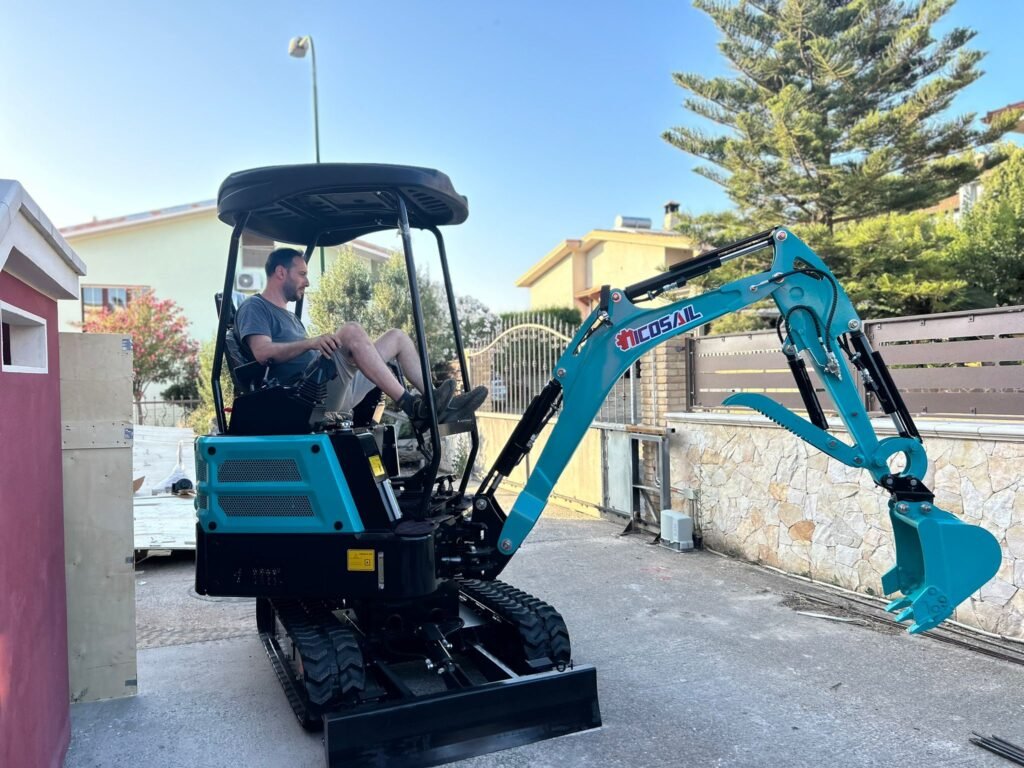
Size selection should start with access and job type, not pride. If the machine will work in orchards, vineyards, narrow livestock areas, old barns, or tight farmyards, smaller models make sense. John Deere highlights zero- and reduced-tail-swing machines for cramped spaces, and also points out that some compact excavators use variable-width undercarriages and retractable blades to get through very narrow paths. Bobcat makes the same point with retractable undercarriages that pass through tight openings and then widen again for working stability.
For many farms, the 1 to 2 ton class works well where access is tight and the main jobs are trenching light utility lines, orchard work, cleaning small ditches, and doing repair work around buildings or fenced areas. The 3 to 4 ton class is often the sweet spot because it adds more lifting power, more digging force, and better reach without becoming too awkward for everyday farm use. Once the work shifts toward bigger drainage jobs, heavier material handling, and more open-field tasks, a larger unit may make more sense. But many buyers are happiest when they choose the smallest machine that can comfortably handle most real jobs.
Tail swing matters more on farms than many first-time buyers think. Bobcat notes that zero- and minimal-tail-swing designs give more flexibility when working close to walls or objects and reduce the chance of accidental contact. That is useful near barns, corrals, tree rows, water tanks, and fence lines. The only trade-off is that some zero-tail-swing machines can be wider than conventional-tail machines of similar size, so buyers need to check actual access points before choosing. A farm gate always tells the truth.
What buyers should check before ordering
Before placing an order, buyers should check five things carefully. First is access: gate width, row spacing, barn alleys, and transport needs. Second is the hydraulic setup: auxiliary lines and flow for the attachments the farm will actually use. Third is serviceability. Bobcat’s service guidance stresses that easy access to maintenance points cuts service time, reduces operating cost, and makes it more likely that routine maintenance is done on schedule. That matters a lot on farms, where machines often work seasonally and problems usually show up exactly when time is tight.
Fourth is operator comfort and visibility. Bobcat notes that comfort features reduce fatigue and directly support productivity. On paper that may sound minor, but it is very real on a farm. A machine used for repeated trenching, ditch cleaning, and utility work demands steady control. A tired operator gets slower, rougher, and more likely to damage something nearby. Good visibility, enough floor space, and smooth controls are not luxury points. They affect daily production.
Fifth is maintenance routine. Bobcat recommends daily checks of fluids, leaks, damaged parts, safety features, and track tension. Regular inspection of hoses, radiator condition, lubrication points, and track setup helps prevent avoidable downtime. This is one area where buyers often focus too much on purchase price and not enough on uptime. A cheaper machine that is hard to service or poorly supported can become expensive very fast during irrigation season or harvest prep.
Why Nicosail is worth considering
For buyers looking at factory-direct options, Nicosail deserves consideration for a simple reason: mini excavators for agriculture are most valuable when they are practical, not overcomplicated. A good farm machine needs the right size, reliable hydraulics, sensible attachment options, easy maintenance access, and a configuration that matches real work like drainage repair, irrigation trenching, orchard prep, and fencing. That is exactly the kind of buying logic where a brand like Nicosail can make sense.
The better way to judge Nicosail is not by asking whether it has the flashiest name in the market. The better question is whether the machine is correctly matched to farm use, whether attachments are available, whether export configuration and support are clear, and whether the supplier understands the expectations of buyers in Europe, North America, and Australia. When those points are handled well, Nicosail can be a solid choice for dealers, importers, rental fleets, and farm owners who want dependable value without paying for features they do not actually need.
FAQ
Are mini excavators really useful on farms?
Yes. They are especially useful for drainage repairs, irrigation trenching, ditch cleaning, fencing, orchard work, stump removal, and small infrastructure jobs around buildings and livestock areas.
Can a mini excavator help improve crop management?
Yes, but mostly in the physical sense. It helps create better drainage, cleaner irrigation installation, better berms, better row preparation, and quicker repair of water systems. Those jobs support better crop conditions and more reliable field operations.
Is a mini excavator enough for drainage work?
For maintenance, small drainage improvements, outlet work, ditch cleaning, and support jobs, often yes. For full drainage-system design and larger installations, planning and proper system layout are still essential. Illinois’ drainage guide stresses that subsurface systems need careful planning, suitable outlets, and proper installation.
Which attachment is most useful for agriculture?
For many farms, the auger is one of the most useful because it speeds up fence-post work and tree or shrub planting. A grading bucket and thumb are also very valuable for ditching, cleanup, lifting, and shaping work.
What size mini excavator is best for a farm?
It depends on access and workload. Smaller machines suit orchards, narrow yards, and light trenching. Mid-size machines are often the best all-around choice for general farm use because they balance power, reach, and maneuverability.
Are mini excavators safe for trench work on farms?
They can be, but trench safety rules still apply. OSHA warns that cave-ins are the biggest trenching hazard. Protective systems are required in many trench situations, and safe access such as ladders or ramps is required for trench excavations 4 feet deep or more.
Final thoughts
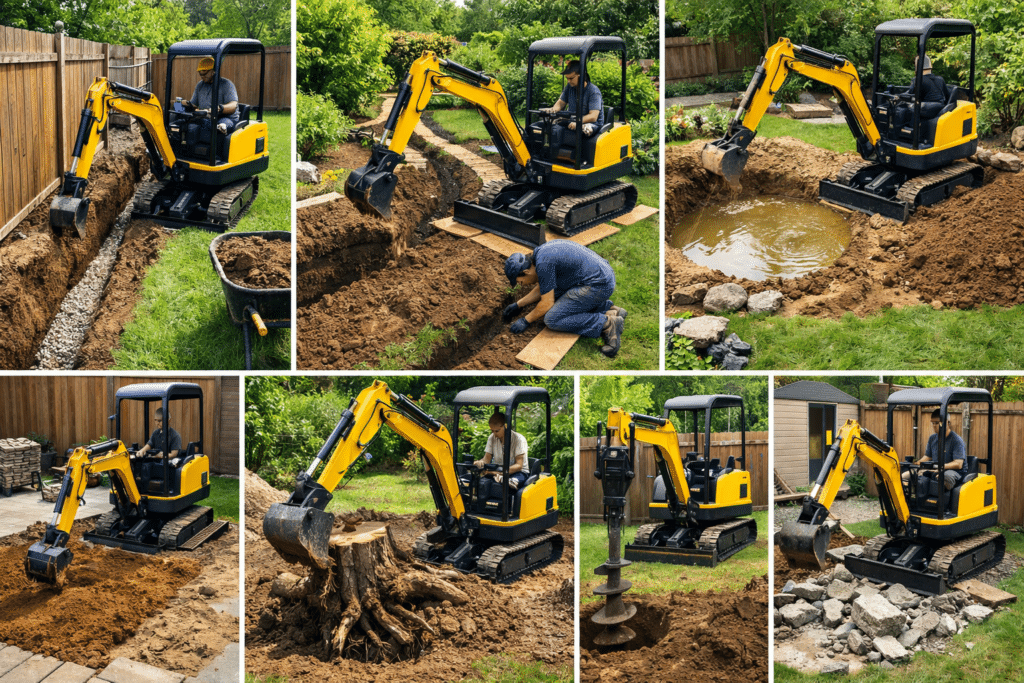
From drainage to crop management, mini excavators are contributing to modern agriculture because they help farms solve the practical problems that affect yield, timing, water control, and labor efficiency. They support drainage systems, irrigation installation and repair, orchard preparation, fencing, and everyday infrastructure work that larger farm machines do not handle as neatly. When matched with the right attachments and the right size, they become one of the most useful support machines on the farm.
The smartest buyers usually do not ask, “What is the biggest machine for the money?” They ask, “What machine will solve the most problems on the farm without wasting labor, time, and transport cost?” That is the real value of a mini excavator in agriculture. And that is also the right standard for evaluating brands like Nicosail.