For many contractors, rental companies, dealers, farmers, builders, and landowners, a mini excavator is valuable not only because it can dig. It is valuable because it can move from one job site to another with less trouble.
In real work, the job is not always in one fixed place. A machine may dig a drainage trench in the morning, repair a water pipe in the afternoon, and work on a garden project the next day. For rental companies, the same machine may serve a homeowner, a landscaper, a small builder, and a farm customer in the same week.
This is where easy transportation becomes a major advantage.
A large excavator has strong digging power, but transport is more complicated. It may need special trucks, wider access, more permits, larger loading space, and higher transport cost. For many small and medium projects, this reduces efficiency.
A mini excavator is different. With compact size, lighter weight, rubber tracks, flexible attachments, and simple loading requirements, it can adapt to many job sites more easily. It can enter narrow spaces, work in residential areas, support utility repairs, help landscaping teams, and move between jobs without creating too much transport pressure.
However, buyers should not only ask, “Is this machine small?” A better question is:
Can this mini excavator be transported safely, used efficiently, and maintained easily across different job sites?
This article explains how mini excavators adapt to different site needs through easy transport, what buyers should check before purchase, and how to avoid common mistakes.
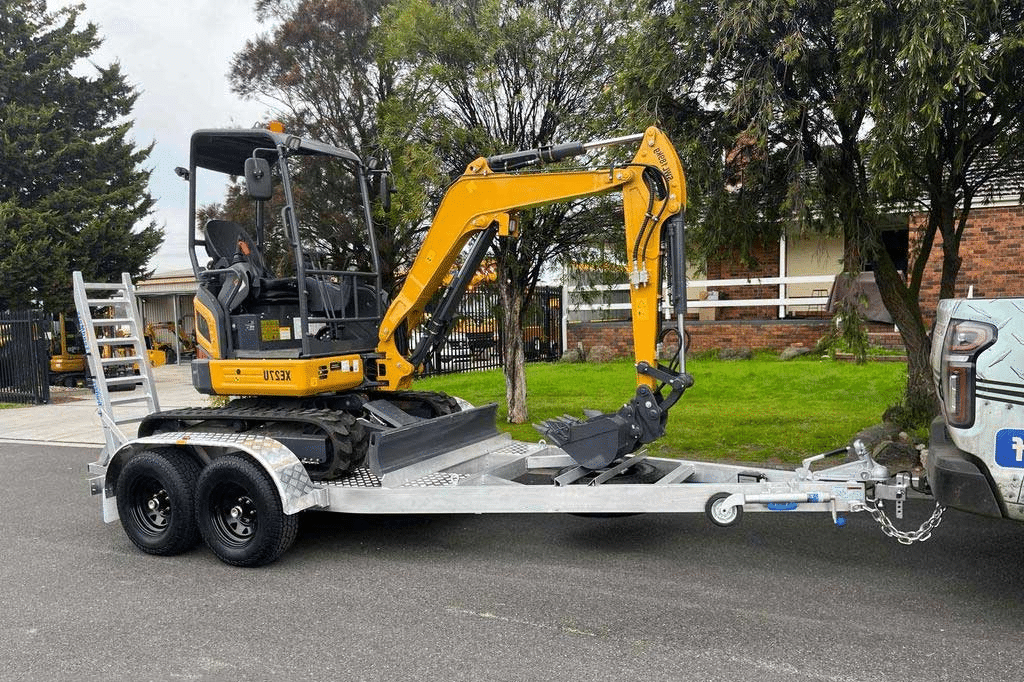
Why Transport Convenience Matters So Much
Transport convenience directly affects machine value. A mini excavator that is easy to move can be used more often, rented more easily, and matched with more types of projects.
More Job Sites, Higher Utilization
For contractors and rental companies, machine utilization is very important. If a machine sits in the yard because transport is difficult, it is not creating value.
A transport-friendly mini excavator can be sent to:
- Residential gardens
- Roadside repair projects
- Farm drainage jobs
- Utility trenching sites
- Landscaping projects
- Small demolition areas
- Factory yards
- Orchard and greenhouse work
- Municipal maintenance sites
This wide application range makes the machine more useful.
Faster Response to Small Jobs
Many small projects do not allow long preparation time. A customer may need a short trench, a broken pipe repaired, a small foundation dug, or a yard leveled quickly.
If the machine can be loaded, transported, unloaded, and started with less preparation, the contractor can respond faster.
For rental companies, easy transport also improves customer satisfaction. Many customers prefer machines that can be delivered without complicated logistics.
Lower Transport Cost
Transport cost is part of the real ownership cost. A machine with a low purchase price may not be economical if every job requires expensive transport.
Mini excavators help reduce this pressure because many models can be moved with lighter transport equipment, depending on local traffic rules, machine weight, trailer rating, and towing vehicle capacity.
Buyers should always check local transport regulations before choosing a model. The same machine may be easy to transport in one country but require different handling in another market.
What Makes a Mini Excavator Easy to Transport
Not every mini excavator is equally easy to transport. Buyers should check several practical points.
Operating Weight
Operating weight is the first number to check. It affects what trailer or truck is needed, how the machine can be loaded, and whether the buyer can transport it with existing equipment.
A very small machine is easier to transport, but it may have limited digging power and stability. A heavier mini excavator usually works stronger, but transport becomes more demanding.
The right choice is a balance between transport convenience and job capability.
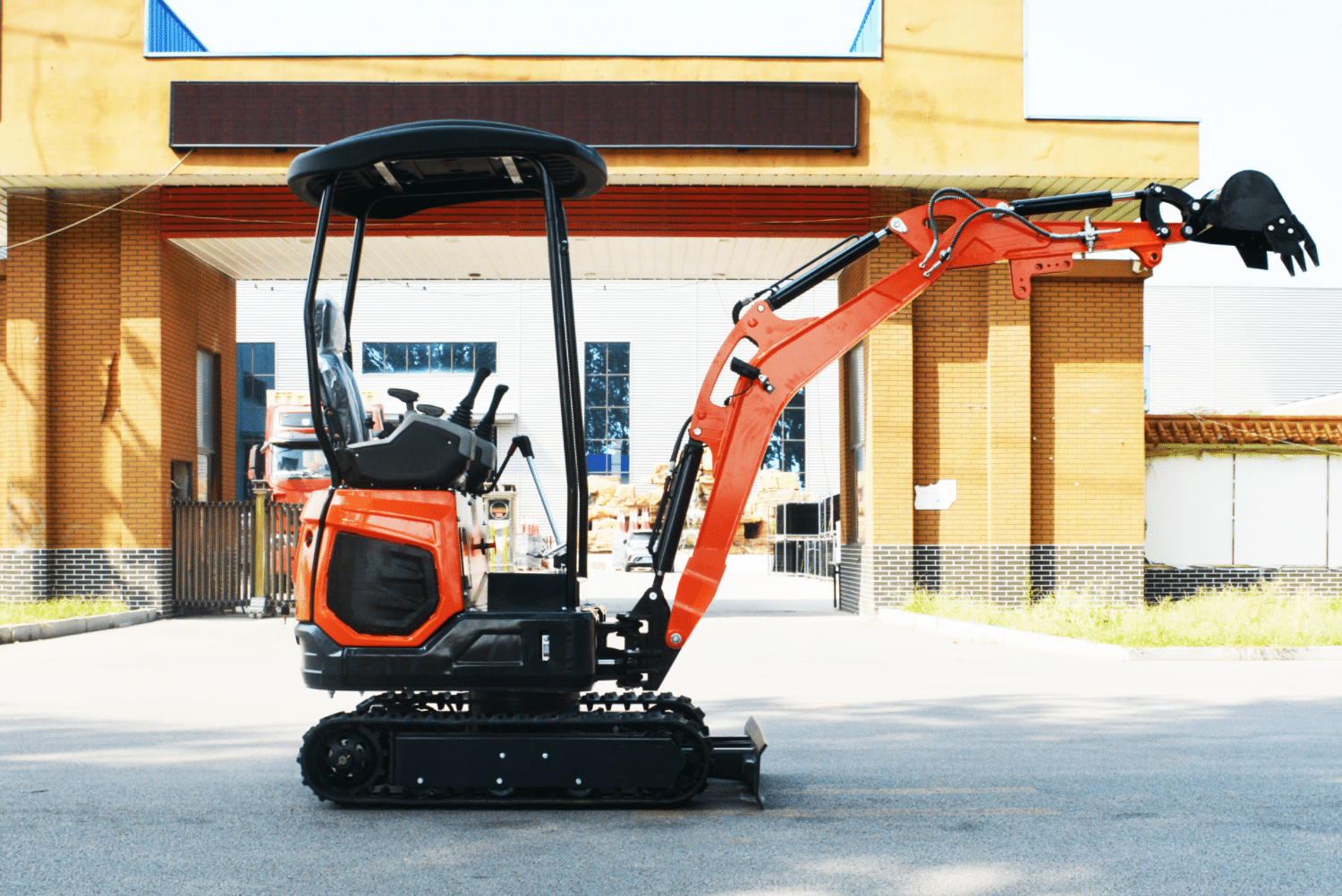
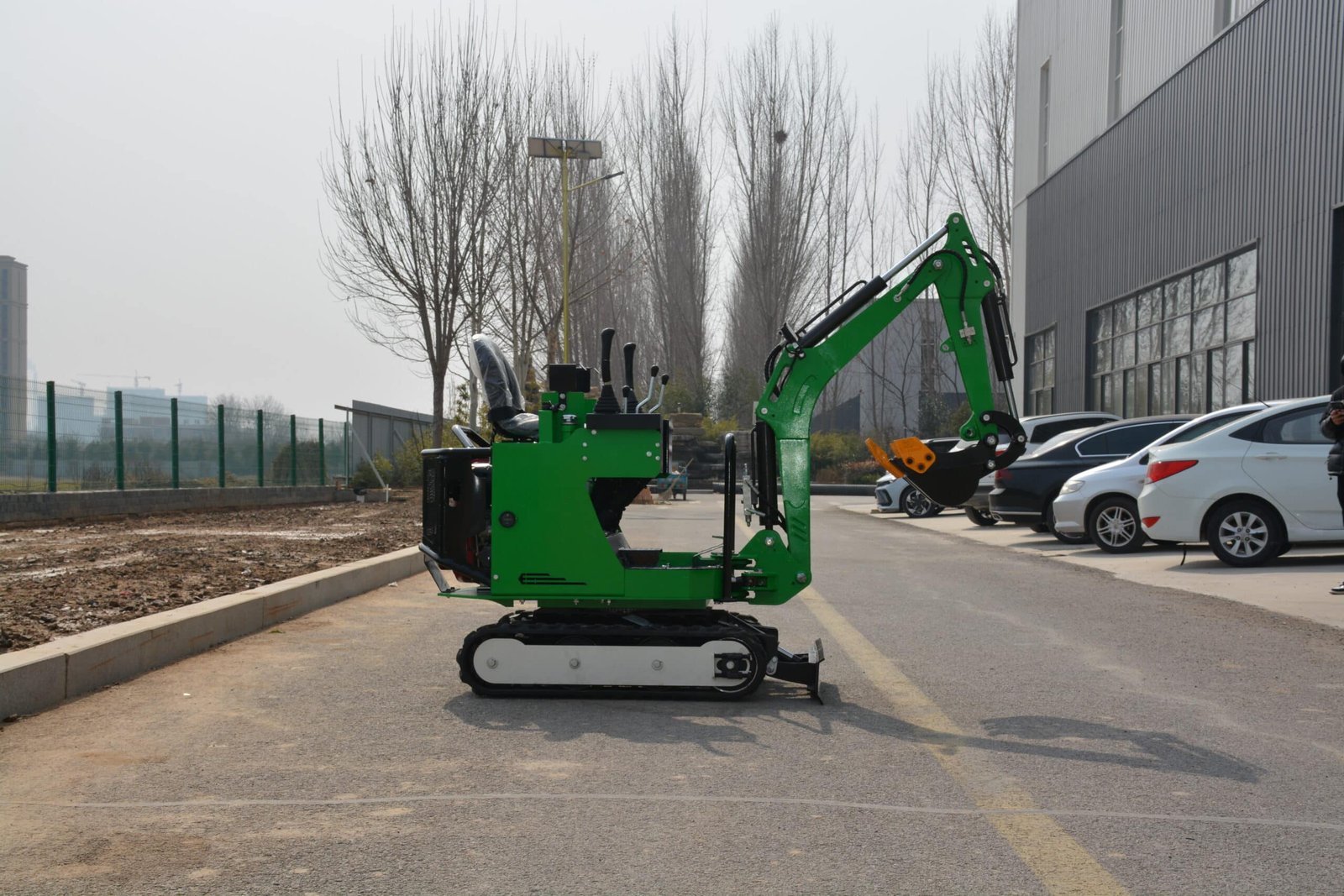
Overall Dimensions
Machine width, length, and height affect loading, road transport, storage, and access to job sites.
Important dimensions include:
- Overall width
- Track width
- Machine height
- Transport length
- Blade width
- Tail swing radius
- Canopy or cabin height
For urban work, residential jobs, and narrow access areas, these dimensions can be more important than engine power.
Rubber Tracks
Rubber tracks are useful for transport and site access. They reduce damage to trailers, ramps, asphalt, paving stones, concrete, lawns, and finished surfaces.
For rental companies and small contractors, rubber tracks are usually more practical than steel tracks because the machine may work on many different surfaces.
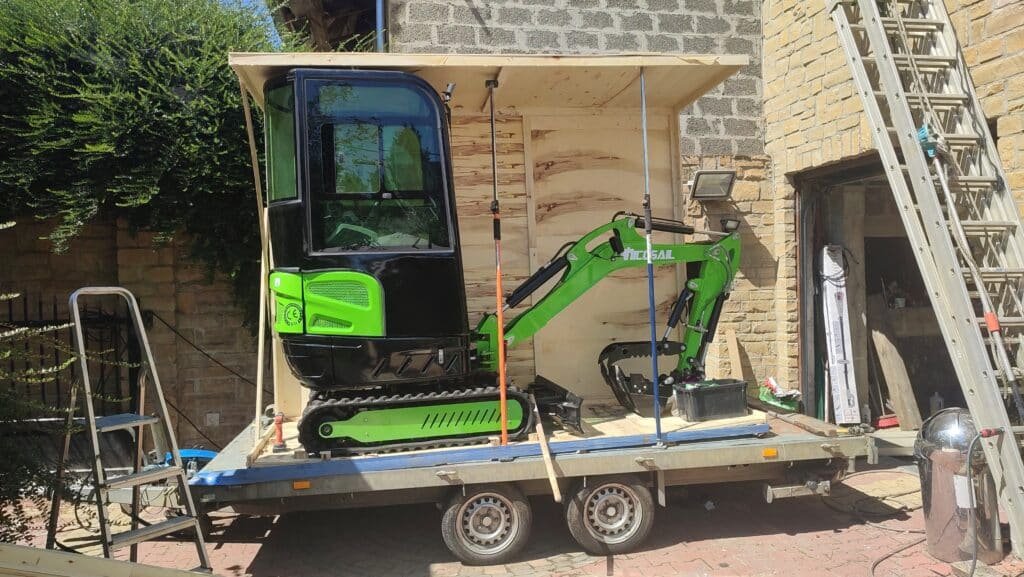
Tie-Down Points
A transport-friendly machine should have clear and strong tie-down points. Safe transport depends on proper fixing during movement.
Poor tie-down design creates risk during road transport. Buyers should check whether the machine has practical locations for chains or straps.
Easy Attachment Removal
Buckets, breakers, augers, and other attachments affect transport size and weight. A quick coupler or simple pin system can make attachment changes easier before loading.
For contractors moving between jobs, this saves time and reduces frustration.
How Mini Excavators Adapt to Different Job Sites
The real strength of a mini excavator is flexibility. It can adapt to many job sites because it combines compact size, digging ability, attachment options, and transport convenience.
1. Residential and Garden Projects
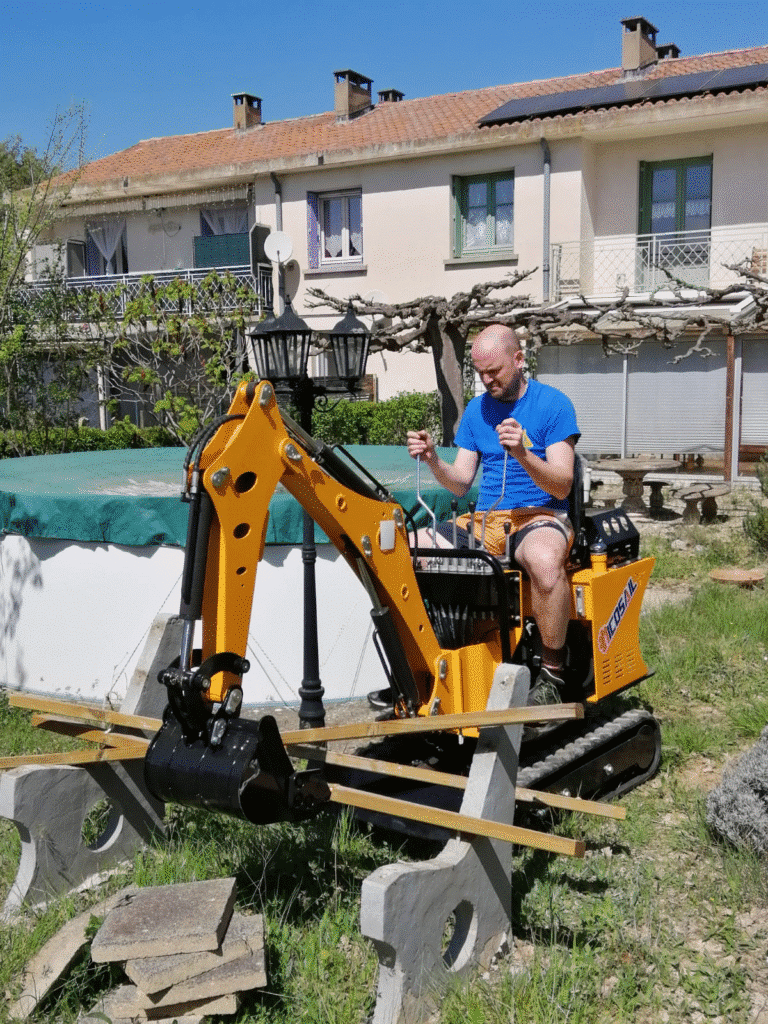
Residential areas often have narrow gates, small paths, lawns, walls, fences, and finished surfaces. Large machines may not enter easily.
Mini excavators are useful for:
- Garden renovation
- Small trenching
- Drainage installation
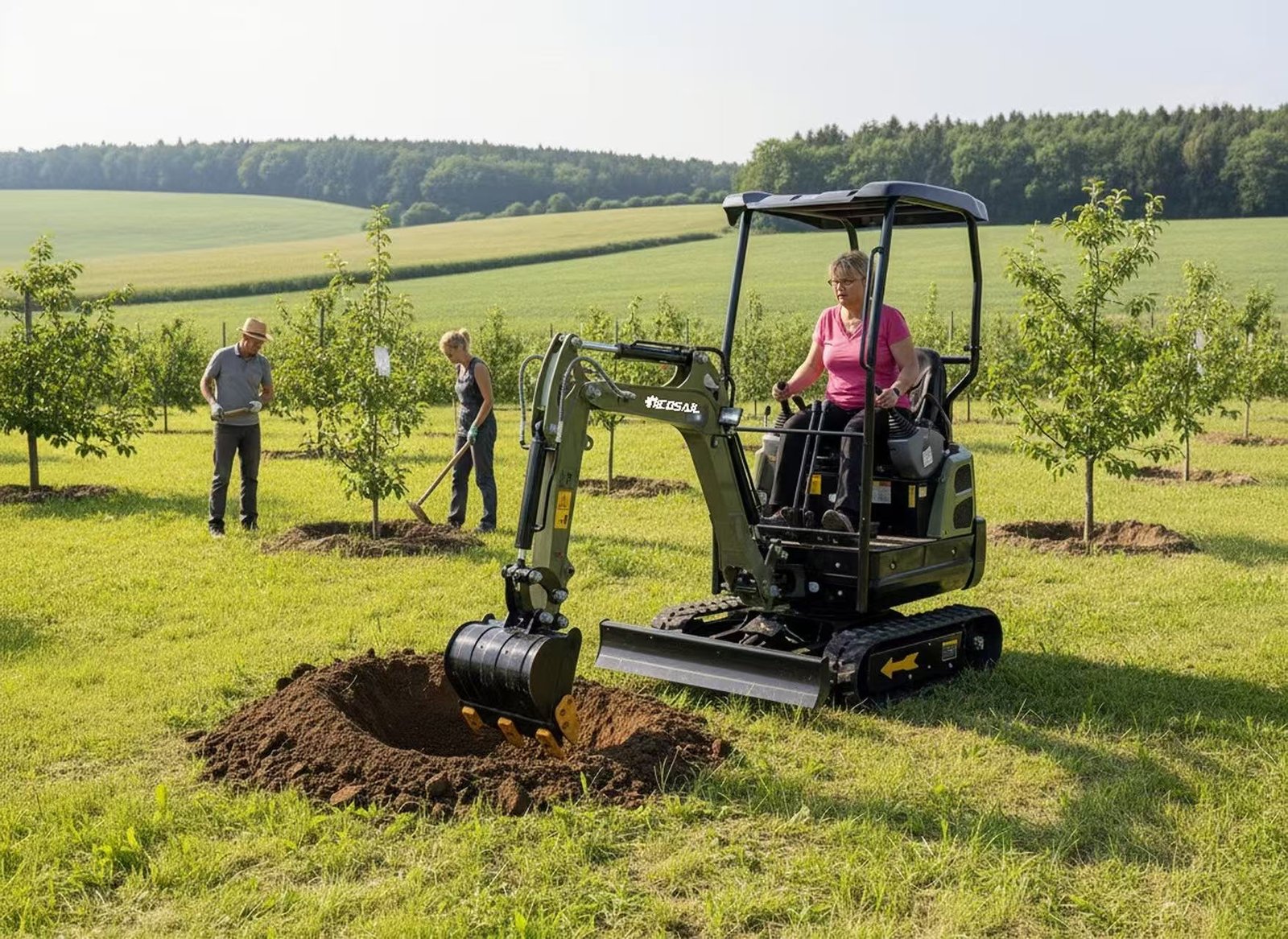
- Tree planting
- Pool preparation
- Fence foundation work
- Yard leveling
- Small retaining wall work
A compact machine can enter areas where manual labor would be slow and larger machines would cause too much damage.
For these jobs, buyers should focus on narrow width, rubber tracks, smooth hydraulics, and easy control.
2. Urban Utility Repair
Utility projects often happen in tight places, such as sidewalks, road edges, building corners, and residential communities.
Mini excavators can support:
- Water pipe repair
- Cable trenching
- Drainage pipe installation
- Gas line support work
- Roadside maintenance
- Small inspection well excavation
Easy transport is important because utility repair jobs are often short and spread across different locations. A machine that can move quickly between sites improves daily efficiency.
Short-tail or zero-tail-swing models are especially useful near walls, vehicles, and traffic barriers.
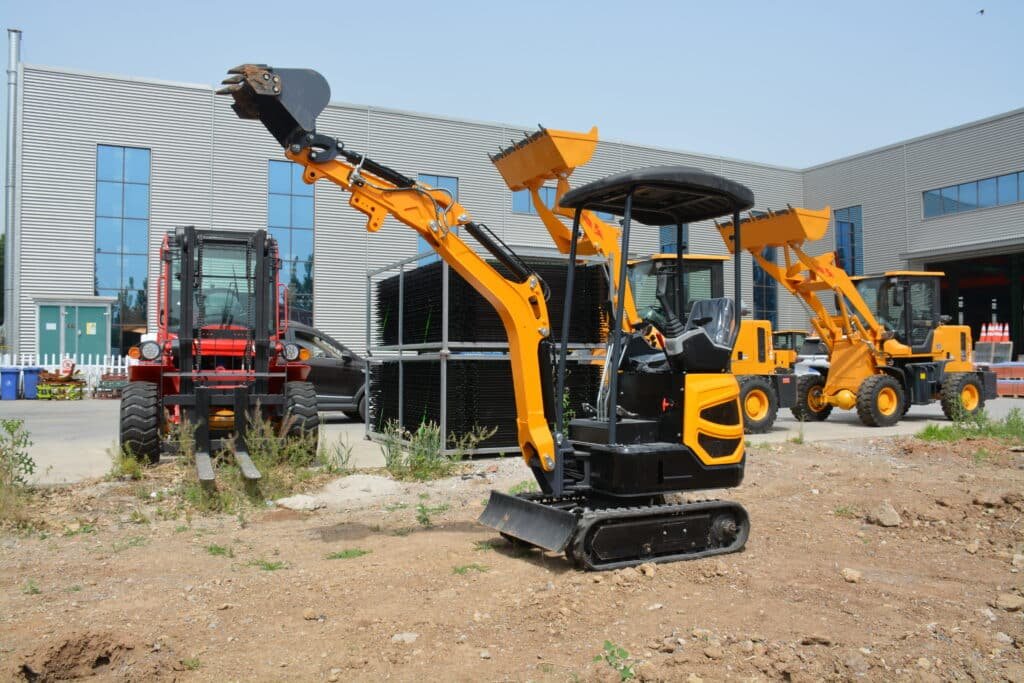
3. Landscaping and Small Construction
Landscaping contractors need machines that can move from house to house, garden to garden, and site to site.
Mini excavators can dig, grade, lift small materials, remove roots, prepare drainage, and shape ground. With different buckets and attachments, one machine can handle many tasks.
For landscaping work, surface protection matters. Rubber tracks, grading buckets, narrow buckets, and smooth control make the machine more useful.
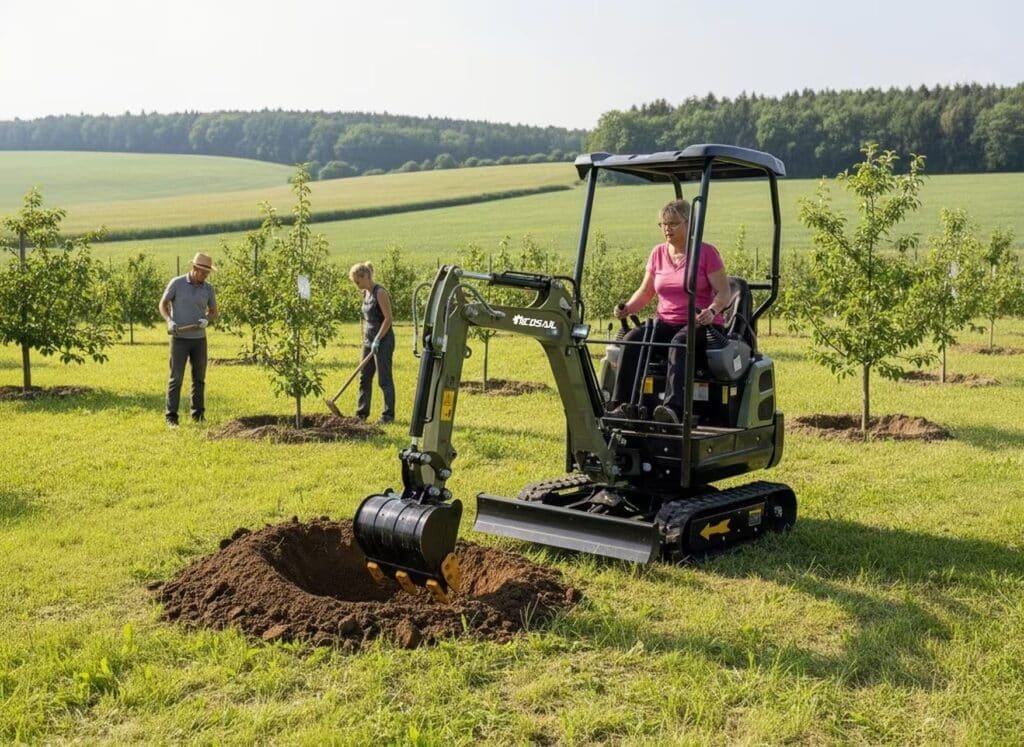
4. Farm and Orchard Work
On farms, a mini excavator may work in many places during one week.
Common farm tasks include:
- Ditch cleaning
- Irrigation trenching
- Small pond repair
- Fence post preparation
- Drainage improvement
- Tree planting
- Road maintenance
- Greenhouse preparation
- Animal shed foundation work
Farm sites are often uneven, muddy, or narrow. Easy transport between fields, yards, and storage areas makes the machine more useful.
Farm buyers should choose a model that is simple to maintain and strong enough for soil conditions.
5. Small Demolition and Renovation Sites
Renovation sites often have limited access. A mini excavator can enter small building areas, remove soil, break light concrete, and assist with material handling.
For demolition support, buyers should pay attention to hydraulic breaker compatibility, machine stability, hose protection, and structural strength.
A very small machine may enter the site easily but may not be suitable for heavy breaking. The machine must match the work.
6. Rental Business
Mini excavators are popular in rental because they serve many customer types. A rental company needs machines that are easy to deliver, easy to operate, and easy to maintain.
Rental buyers should focus on:
- Simple controls
- Durable structure
- Rubber tracks
- Easy transport weight
- Strong packaging for repeated handling
- Common spare parts
- Attachment compatibility
- Clear operation guidance
A rental machine will not always be used by expert operators. Durability and simple maintenance are very important.
Transport Planning Before Buying a Mini Excavator
Many buyers choose a mini excavator first and think about transport later. This is a common mistake.
Transport should be planned before purchase.
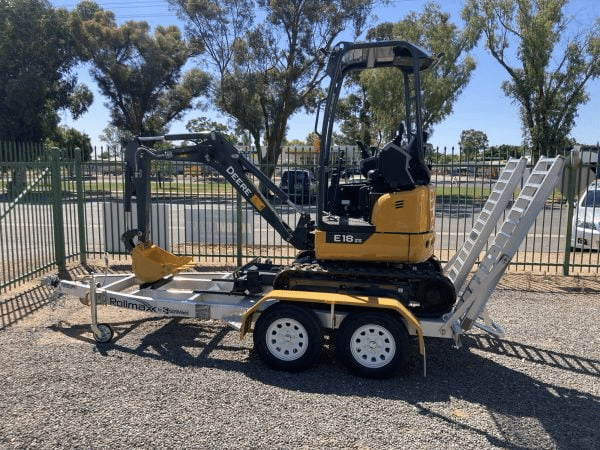
Check the Trailer or Truck Capacity
The transport vehicle must be suitable for the machine weight, attachment weight, fuel, bucket, and any spare equipment.
Buyers should not only check the excavator’s operating weight. They should also consider the total transport weight.
This may include:
- Machine
- Bucket
- Extra attachments
- Ramps
- Spare parts
- Fuel
- Chains or straps
- Tool box
Local road laws and trailer ratings must be followed.
Check Loading Ramp Strength
Loading ramps must match machine weight and track width. Weak or slippery ramps are dangerous.
Ramps should be placed correctly, fixed securely, and used on firm level ground. The operator should drive slowly and avoid sudden steering during loading.
Check Job Site Access
Before transport, check whether the machine can enter the site.
Important questions include:
- Is the gate wide enough?
- Is the ground firm enough?
- Are there overhead obstacles?
- Is the turning space enough?
- Can the transport vehicle park safely?
- Is there space to unload?
- Are there underground pipes or soft areas near the access point?
A compact excavator is useful, but it still needs a safe route.
Check Storage Space
Dealers, rental companies, and owners should also consider where the machine will be stored.
A compact machine saves yard space, but attachments, spare parts, buckets, and transport equipment also need storage planning.
Mini Excavator Size Selection for Different Users
Easy transport does not mean every buyer should choose the smallest machine. The best size depends on the work.
Very Compact Models
Very compact models are useful for tight access, garden work, small trenching, and indoor renovation support.
Advantages:
- Easy to move
- Narrow access ability
- Lower ground impact
- Good for homeowners and small yards
- Easier storage
Limitations:
- Lower digging force
- Less stability
- Limited lifting ability
- Not ideal for heavy attachment work
These machines are suitable when access is more important than power.
Mid-Size Mini Excavators
Mid-size mini excavators are often a practical balance. They are still transport-friendly but stronger and more stable than very small machines.
Advantages:
- Better digging performance
- More stable operation
- Suitable for many contractors
- Better attachment options
- Useful for rental fleets
Limitations:
- Requires more transport planning
- May not pass very narrow gates
- Higher purchase cost than very small models
For many contractors and rental companies, this size range is often more versatile.
Larger Compact Excavators
Larger compact excavators are suitable for heavier trenching, utility work, drainage projects, and contractor jobs.
Advantages:
- Stronger digging force
- Better reach and depth
- Better lifting ability
- More suitable for hydraulic breakers
- More productive in tough soil
Limitations:
- More difficult to transport
- Higher ground pressure
- Less suitable for very narrow access
- Higher fuel and transport cost
These machines are useful when job capacity matters more than maximum portability.
Attachments and Transport Efficiency
Attachments make a mini excavator more useful, but they also affect transport.
Buckets
Common buckets include:
- Standard digging bucket
- Narrow trenching bucket
- Grading bucket
- Cleaning bucket
A contractor may carry more than one bucket to a site. This improves work flexibility but adds transport weight and storage needs.
Hydraulic Breaker
A breaker is useful for concrete, asphalt, and hard ground. But it adds weight and requires hydraulic compatibility.
Before transporting a machine with a breaker, check whether the breaker should be mounted on the machine or carried separately. Both methods need safe fixing.
Auger
An auger is useful for fence posts, tree planting, and small foundation holes. It is valuable for farms, landscaping, and construction.
Auger bits must be transported safely because they are long and heavy.
Quick Coupler
A quick coupler improves job efficiency by making attachment changes faster. For transport, it also helps remove attachments quickly when needed.
For rental companies, quick couplers can increase customer convenience, but the coupler must be safe, strong, and compatible with the machine.
Spare Parts and Tool Kits
Transport planning should also include common spare parts and tools. For remote job sites, small parts such as teeth, pins, grease, filters, and hydraulic fittings can prevent downtime.
Nicosail often recommends overseas buyers prepare common spare parts with the first machine order, especially when the machine will be used in rental, farm, or contractor work.
Safety Points During Loading, Transport, and Unloading
Easy transport does not mean careless transport. Loading and unloading accidents can damage the machine, trailer, and people nearby.
Load on Firm and Level Ground
The trailer or truck should be parked on firm, level ground. Soft soil, slopes, or uneven surfaces increase risk during loading.
Use Suitable Ramps
Ramps should be strong enough, wide enough, and properly secured. The track should be aligned with the ramp before driving up.
Avoid sudden steering on ramps. Slow and straight movement is safer.
Keep Attachments Low
During loading and unloading, keep the boom and bucket low for better balance. Do not raise the attachment unnecessarily.
Secure the Machine Properly
After loading, the machine should be fixed with suitable chains or straps at correct tie-down points. The boom, blade, and attachments should also be positioned safely.
Transport vibration can loosen poorly fixed equipment. Check fixing before leaving and after short travel if needed.
Protect the Remote or Loose Items
For machines with electrical accessories, documents, keys, tool kits, and spare parts, loose items should be packed properly. Losing small parts during transport creates avoidable problems.
Invisible Reliability: Transport Details Buyers Often Miss
Many buyers look at engine power, digging depth, and price. These are important, but transport-related reliability is also important.
Strong Frame and Lifting Points
A mini excavator may be loaded, unloaded, tied down, and moved many times. Weak lifting or tie-down points create risk.
The frame should be strong enough for repeated transport handling.
Durable Covers and Guards
During transport, covers, lights, mirrors, hoses, and guards may face vibration or impact. A well-built machine protects these parts better.
For rental machines, this matters even more because transport happens frequently.
Good Hose Routing
Hydraulic hoses should not rub against sharp edges or exposed surfaces during transport. Poor hose routing may not fail immediately, but vibration can damage hoses over time.
Battery and Electrical Protection
Electrical parts should be protected from vibration and moisture. Loose wiring can create starting problems after transport.
Paint and Surface Treatment
Transport scratches are common if packaging and fixing are poor. Good paint and surface treatment help protect the machine from rust, especially during sea shipment or outdoor storage.
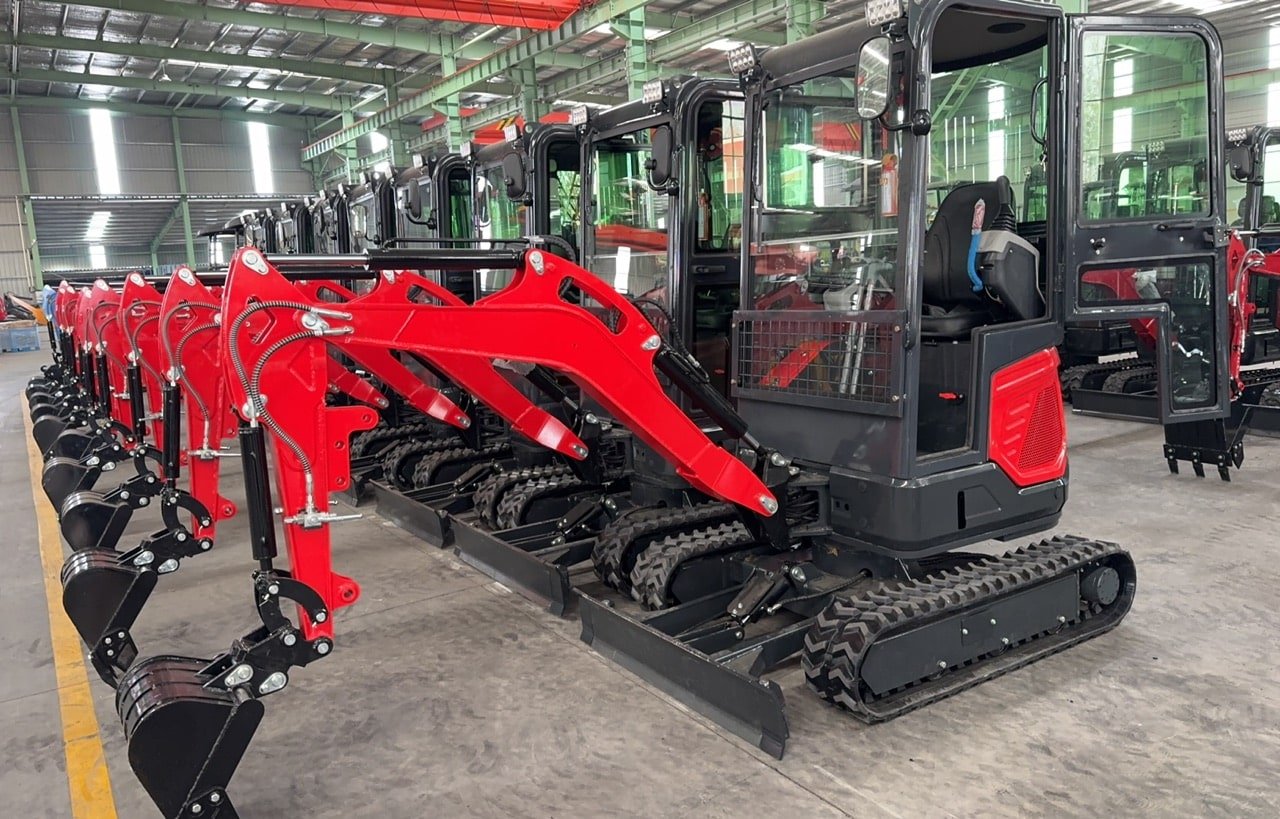
Export Packaging
For international buyers, packaging is a real quality point. The machine may travel a long distance before reaching the buyer.
Good packaging should protect:
- Machine body
- Hydraulic hoses
- Lights
- Canopy or cabin
- Buckets
- Attachments
- Spare parts
- Documents
- Keys and tools
Nicosail, as a China-based factory supplier, pays attention to export packing discussion because transport damage can affect the buyer’s first impression and later sales.
Common Mistakes When Choosing a Transport-Friendly Mini Excavator
Mistake 1: Choosing Only the Smallest Machine
A small machine is easy to move, but it may not be strong enough for the job. If the machine works at its limit every day, productivity drops and wear increases.
Transport convenience must be balanced with digging ability.
Mistake 2: Ignoring Total Transport Weight
Some buyers check only the machine weight and forget attachments, buckets, spare parts, fuel, and tools.
This can overload the trailer or create unsafe transport.
Mistake 3: Not Checking Local Rules
Transport rules vary by country and region. Trailer weight limits, towing rules, tie-down requirements, road permits, and lighting requirements may be different.
Buyers should confirm local requirements before purchase.
Mistake 4: Forgetting Site Access
A machine may fit the trailer but not fit the job site entrance. Gate width, ground condition, turning space, and unloading area should be checked.
Mistake 5: Ignoring Maintenance Access
A transport-friendly machine should also be service-friendly. If filters, grease points, battery, and hydraulic hoses are hard to reach, daily maintenance may be skipped.
Mistake 6: Buying Without Spare Parts Planning
A machine that travels between jobs needs reliable parts support. Tracks, filters, hoses, pins, bushings, bucket teeth, and seals should be easy to obtain.
Mistake 7: Trusting Photos Only
Photos can show machine size and paint, but they do not show hydraulic smoothness, frame strength, hose routing, tie-down design, packaging quality, or supplier support.
Buyers should ask for working videos, close-up photos, packing photos, and configuration confirmation.
Supplier Selection Advice
Choosing a mini excavator supplier should not be based only on the lowest price. Transport convenience, configuration, spare parts, and after-sales communication all affect real value.
Ask Practical Questions
Useful questions include:
- What is the operating weight?
- What are the transport dimensions?
- What trailer or truck type is commonly used?
- Where are the tie-down points?
- What attachments are included?
- Can attachments be removed easily?
- What spare parts are recommended?
- How is the machine packed for export?
- Can color and logo be customized?
- Are working videos available before shipment?
- What maintenance should be done after delivery?
A serious supplier should answer these questions clearly.
Confirm Configuration in Writing
Before ordering, confirm:
- Model
- Engine
- Operating weight
- Bucket size
- Track type
- Hydraulic line
- Attachments
- Color
- Logo
- Spare parts
- Packaging
- Delivery time
- Shipping terms
- Documents
Written confirmation reduces misunderstanding, especially for overseas orders.
Think About the End User
Dealers and rental companies should choose machines based on what end users need. A good retail machine should be easy to transport, easy to operate, easy to maintain, and easy to explain.
Contractors should choose machines based on real work conditions, not only transport convenience.
Nicosail can support buyers with mini excavator configuration discussion, appearance customization, export packaging, and common spare parts planning. This is useful for dealers, rental companies, contractors, and landowners who want practical machines for different job sites.
9. FAQ
Q1: Why is easy transport important when buying a mini excavator?
Easy transport allows the machine to move between job sites faster and with lower cost. This improves machine utilization for contractors, rental companies, farmers, and builders.
Q2: Is the smallest mini excavator always the easiest choice?
Not always. The smallest machine is easier to transport, but it may not have enough digging depth, stability, or power for many jobs. The machine should match both transport needs and working needs.
Q3: What should buyers check before transporting a mini excavator?
Buyers should check machine weight, total transport weight, trailer rating, ramp strength, tie-down points, attachment weight, local road rules, and job site access.
Q4: Are rubber tracks better for transport-friendly mini excavators?
For many users, yes. Rubber tracks reduce damage to trailers, roads, paving, lawns, and finished surfaces. They are practical for rental, landscaping, residential, and urban work.
Q5: Can one mini excavator adapt to many job sites?
Yes, if the model and attachments are chosen correctly. A mini excavator can work in gardens, farms, utility sites, landscaping projects, roadside repair, and small construction jobs.
Q6: What attachments are useful for different job sites?
Common useful attachments include standard buckets, narrow buckets, grading buckets, hydraulic breakers, augers, rippers, quick couplers, and thumbs. Attachment choice should match the job.
Q7: What is often forgotten during mini excavator transport planning?
Many buyers forget total transport weight, spare parts, attachment storage, tie-down safety, local transport rules, and unloading space at the job site.
Q8: How can overseas buyers reduce transport damage risk?
Overseas buyers should confirm export packaging, container loading method, machine fixing, attachment packing, spare parts packing, and request packing photos before shipment.
10. Final Conclusion
Easy transportation is one of the biggest practical advantages of a mini excavator. A machine that can move easily between job sites helps contractors respond faster, rental companies improve utilization, farmers handle different land tasks, and builders finish small projects with less preparation.
But transport convenience is not only about small size. Buyers should also consider operating weight, transport dimensions, trailer matching, tie-down points, rubber tracks, attachment handling, maintenance access, spare parts support, and packaging quality.
A mini excavator should be easy to move, but it must also be strong enough for real work. Choosing a machine only because it is small can lead to weak performance. Choosing a machine only because it is powerful can create transport difficulty. The best choice is the right balance.
For different job sites, a well-selected mini excavator can dig, trench, grade, repair, lift, break, clean, and prepare ground efficiently. With proper transport planning and a reliable supplier, it becomes more than a small excavator. It becomes a flexible working tool that can follow the buyer wherever the next job is.