1. Why Procurement Agreements Matter More Than You Think
Let’s be honest—many buyers still treat contracts like a formality. That’s where problems start.
In the mini excavator business, a procurement agreement is not just paperwork. It’s the only thing standing between a smooth deal and a costly mistake.
A clear contract does three things:
- Aligns expectations (no guessing)
- Reduces communication issues
- Protects your profit margin
For B2B buyers, especially distributors or rental companies, one bad batch can ruin a season. That’s not theory—that’s what happens when agreements are vague.
2. Common Risks When Buying Mini Excavators from China
Before writing a contract, it helps to understand where things usually go wrong.
Typical issues seen in real factory export cases:
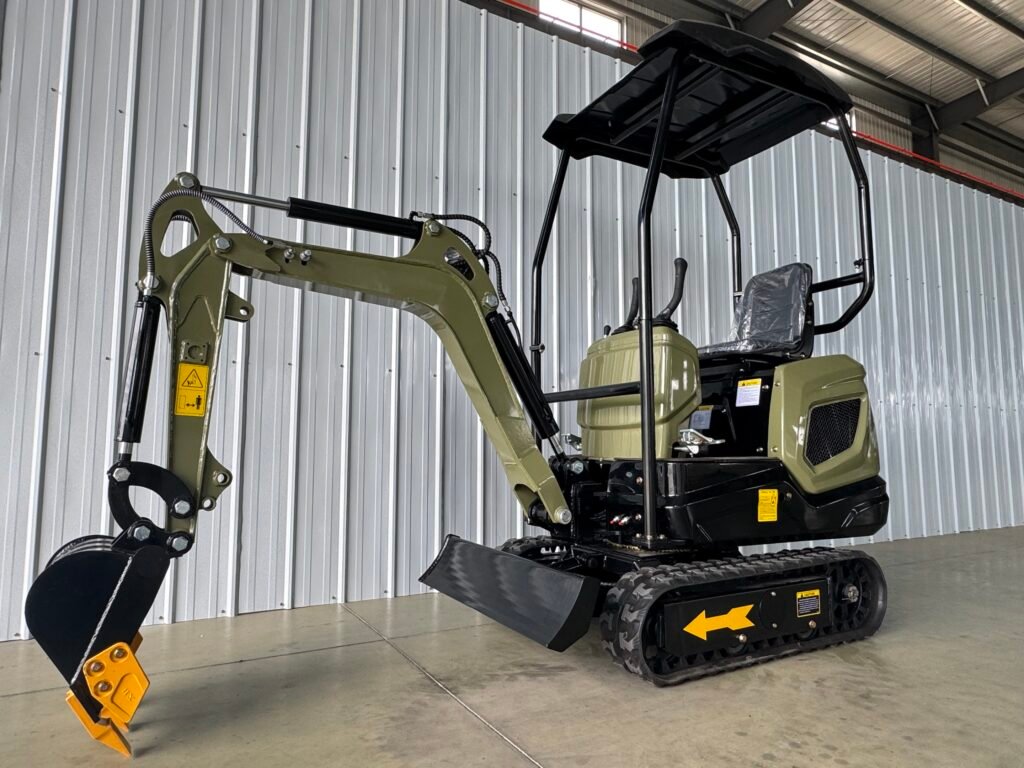
- Specs not matching actual machines
- Engine brand swapped without notice
- Delayed shipments during peak season
- Missing or fake certifications
- Weak after-sales support
Many of these problems don’t come from bad intentions—they come from unclear agreements.
3. Key Clauses Every Agreement Must Include
A strong procurement agreement should cover these core areas:
1. Product Definition
Not just “mini excavator”—that’s too vague.
2. Technical Specifications
Include detailed parameters (more on this below)
3. Quantity & Pricing
Clear unit price + total value
4. Payment Terms
Milestones and methods
5. Delivery Terms
Use Incoterms (FOB, CIF, etc.)
6. Inspection Standards
Define how quality is verified
7. Warranty Terms
Spell out coverage and duration
8. Penalty Clauses
Late delivery or non-compliance penalties
4. How to Lock Down Product Specifications (Avoid Costly Surprises)
This is where most contracts fail.
Instead of writing:
“1.8 ton mini excavator”
Write something like:
- Operating weight: 1800 kg
- Engine: Kubota D722 (or equivalent clearly defined)
- Hydraulic pump brand
- Boom length, bucket size
- Track type (rubber/steel)
- Cabin or canopy
- Attachments included
Simple rule:
If it’s not written, it’s not guaranteed.
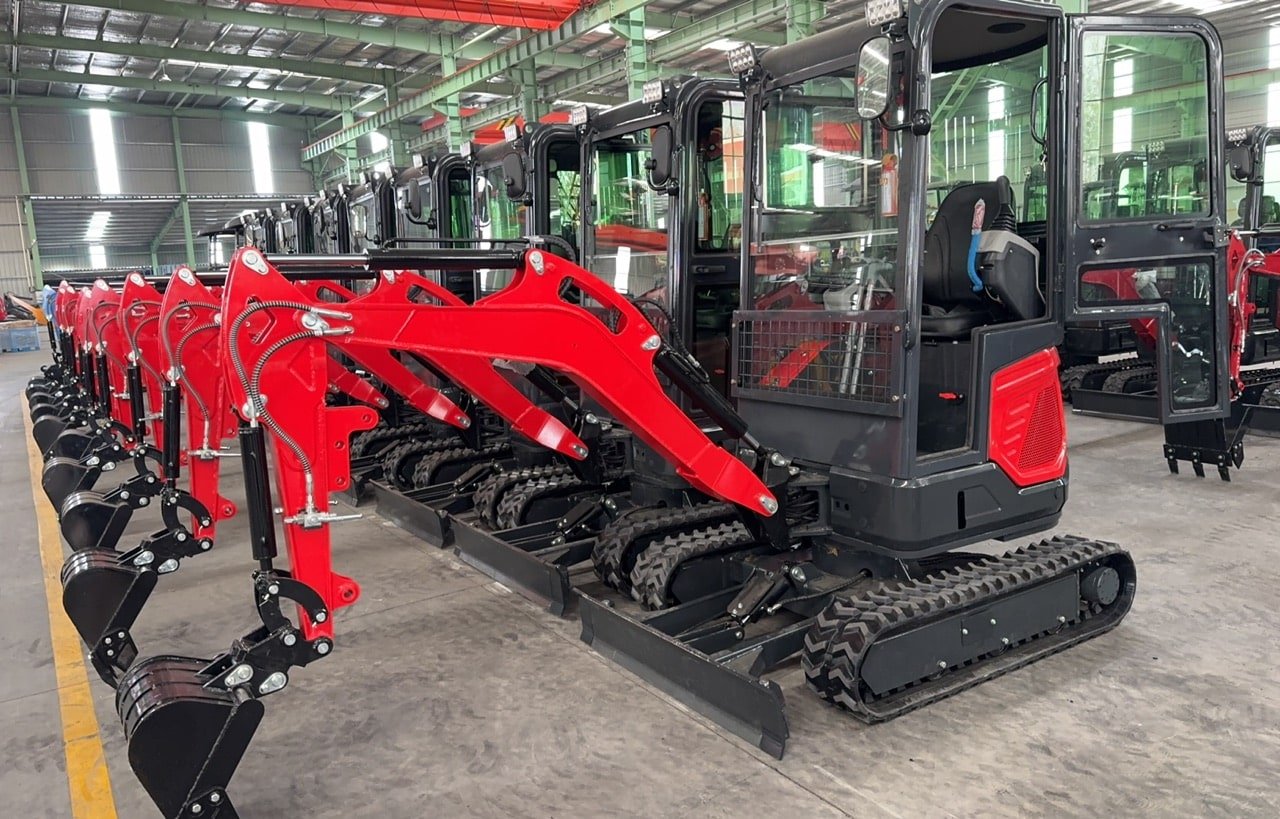
Factories like Nicosail usually attach a technical datasheet + machine photos to the contract. That removes ambiguity completely.
5. Payment Terms That Protect Both Sides
Payment is always a sensitive topic.
Common structure:
- 30% deposit
- 70% before shipment
But smarter buyers often adjust this:
Safer options:
- 30% deposit + 70% after inspection
- LC (Letter of Credit) for large orders
- Split payment for batch orders
Tip from factory experience:
Too cheap + full prepayment = high risk
A reliable supplier will accept reasonable inspection-based payments.
6. Quality Control & Inspection: Make It Measurable
Don’t just say “good quality.” That means nothing.
Define:
- Inspection checklist
- Acceptance criteria
- Third-party inspection option
Example:
- Engine start test
- Hydraulic leak check
- Travel motor performance
- Paint quality standard
Many experienced buyers hire third-party inspectors before shipment.
Factories like Nicosail often support:
- Video inspection
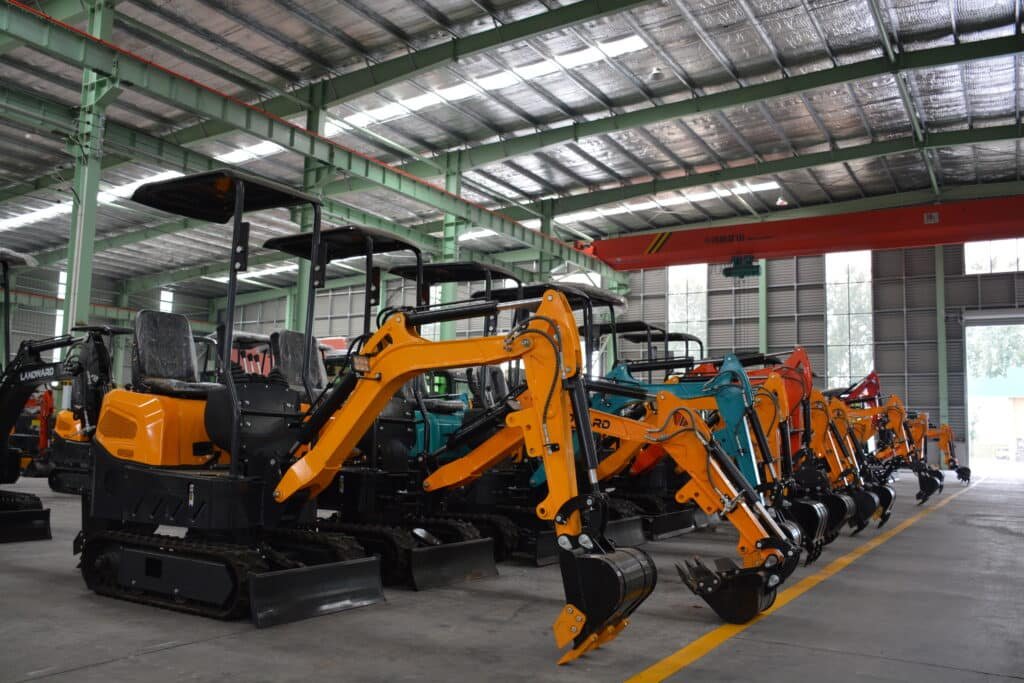
- Live factory walkthrough
- Pre-shipment test reports
7. Certifications & Compliance: No Shortcuts
For Europe, North America, or Australia, this is critical.
Include in the contract:
- CE certification
- EPA (for USA engines)
- Noise/emission standards
Important:
Don’t just ask for certificates—verify them.
A proper agreement should state:
- Certificates must match machine model
- Buyer has right to verify authenticity
8. Delivery, Shipping & Delay Protection
Delivery delays are one of the biggest pain points.
Your contract should clearly define:
- Production time (e.g., 25 working days)
- Shipping terms (FOB, CIF, DDP)
- Delay penalties
Example clause:
- Delay beyond agreed date = 0.5% penalty per week
This keeps suppliers accountable—especially during busy seasons.
9. Warranty & After-Sales Terms (Where Most Deals Fail)
This is where many agreements are too weak.
A solid warranty clause should include:
- Warranty period (usually 12 months)
- Coverage scope (engine, hydraulics, structure)
- Spare parts policy
- Response time
Real-world expectation:
Good factories provide:
- Free parts during warranty
- Online technical support
- Spare parts supply guarantee
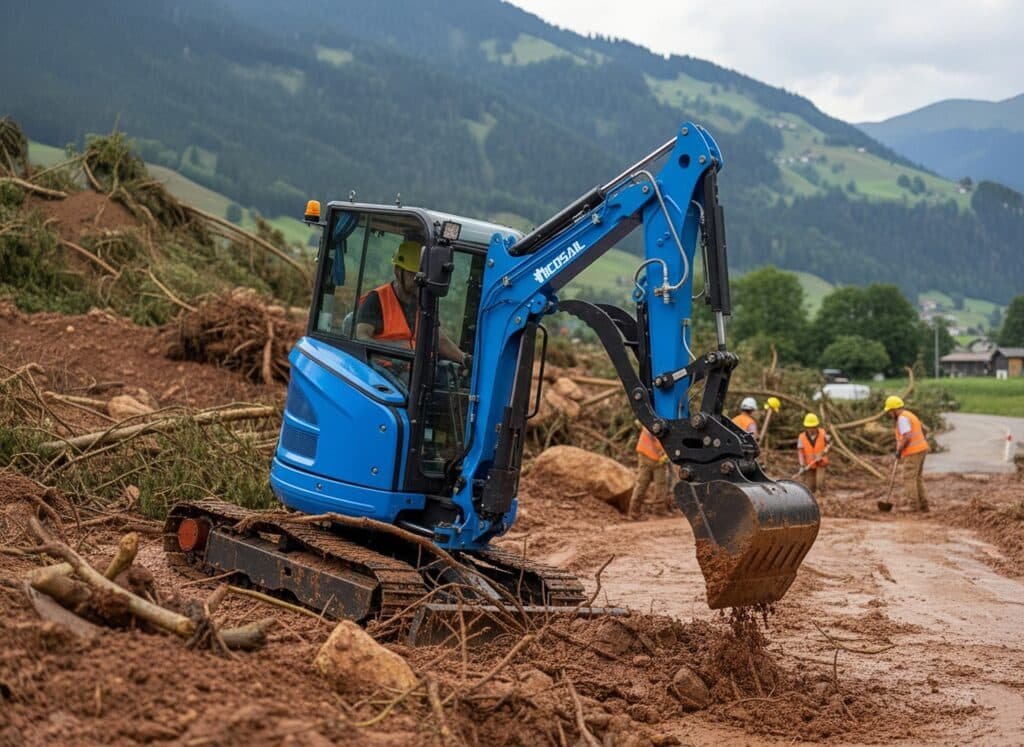
Reliable brands like Nicosail typically pre-stock common spare parts for overseas clients, which reduces downtime.
10. Dispute Resolution & Legal Protection
No one likes to think about disputes—but ignoring this is risky.
Include:
- Governing law (usually Chinese law or neutral jurisdiction)
- Arbitration body (CIETAC or similar)
- Language of contract
Practical advice:
Keep it simple and enforceable. Overcomplicated clauses often don’t help.
11. Real Factory Case Insights (What Actually Goes Wrong)
From 30 years of factory experience, here are real situations:
Case 1: Engine Substitution
Buyer expected Kubota, received a local brand
→ Contract only said “diesel engine”
Case 2: Shipment Delay
Peak season delay of 25 days
→ No penalty clause → buyer lost sales window
Case 3: Certification Issue
CE certificate didn’t match model
→ Machines stuck at customs
All three problems were preventable—with better agreements.
12. How Reliable Factories Like Nicosail Handle Contracts
Professional factories don’t avoid detailed contracts—they welcome them.
Typical good practices:
- Clear spec sheets attached
- Transparent production timeline
- Inspection before shipment
- Honest communication on delays
Why this matters:
A factory that is confident in its product will not hesitate to commit on paper.
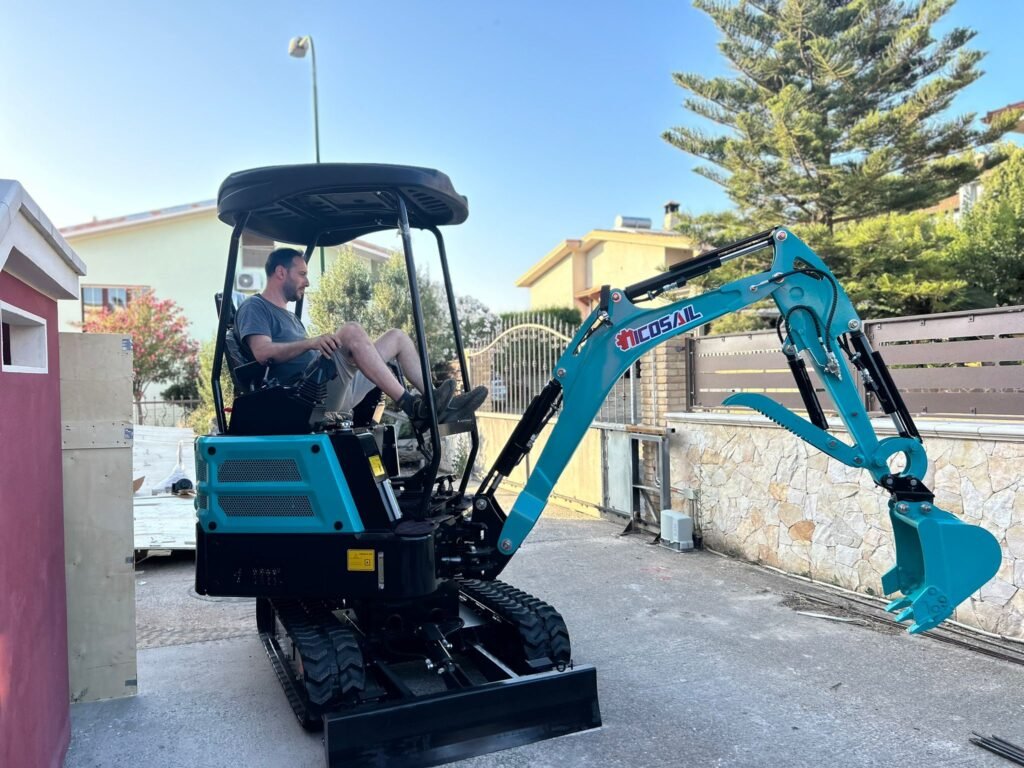
Nicosail, for example, focuses on:
- Export-compliant machines
- Custom configurations
- Stable delivery timelines
Not about being the cheapest—but about being predictable.
13. FAQ
Q1: Is a simple Proforma Invoice enough?
No. It’s not detailed enough to protect your interests.
Q2: Should small buyers still use formal contracts?
Yes. Even one machine order can carry risk.
Q3: How to verify a supplier’s honesty?
Check:
- Factory audit
- Video inspection
- Past export experience
Q4: What’s the safest payment method?
LC for large orders, or deposit + inspection-based balance.
Q5: Can specs be flexible?
Only if clearly agreed. Otherwise, flexibility becomes risk.
14. Final Summary
Creating a solid procurement agreement for mini excavators in China is not complicated—but it requires attention to detail.
Key takeaway:
- Be specific, not general
- Put everything in writing
- Link payment to verification
- Define quality clearly
- Protect delivery timelines
A good contract doesn’t just prevent problems—it builds trust and long-term cooperation.
And in this industry, working with a reliable, export-experienced factory like Nicosail makes the whole process smoother—less guesswork, fewer surprises, and better business results.
If the goal is simple—buy the right machine, at the right time, without headaches—then a clear and secure procurement agreement is the first and most important step.