1) What “1 Ton” and “1.8 Ton” Really Mean in the Market
In real-world selling, “1 ton” and “1.8 ton” are not just numbers. They describe two very different customer expectations.
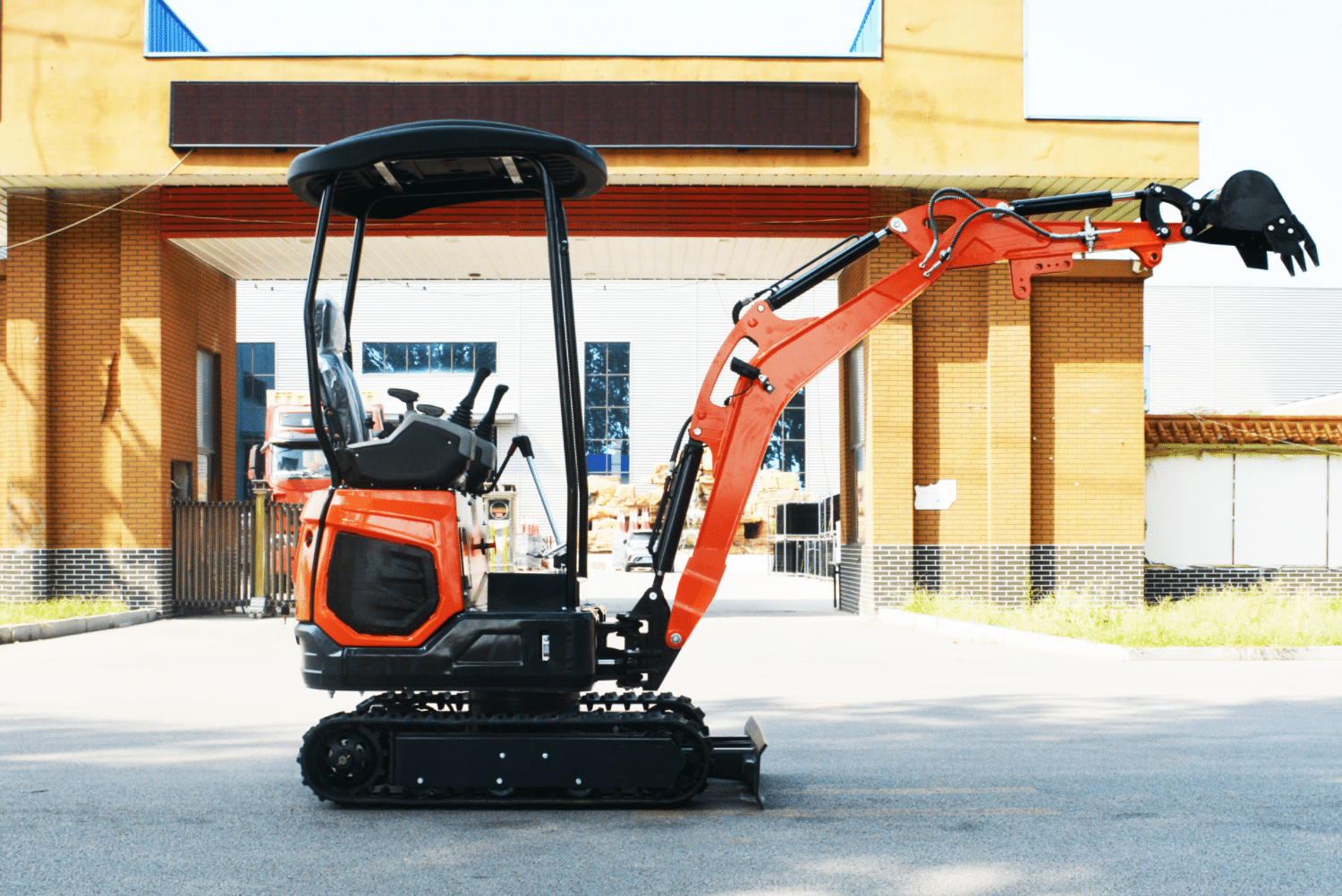
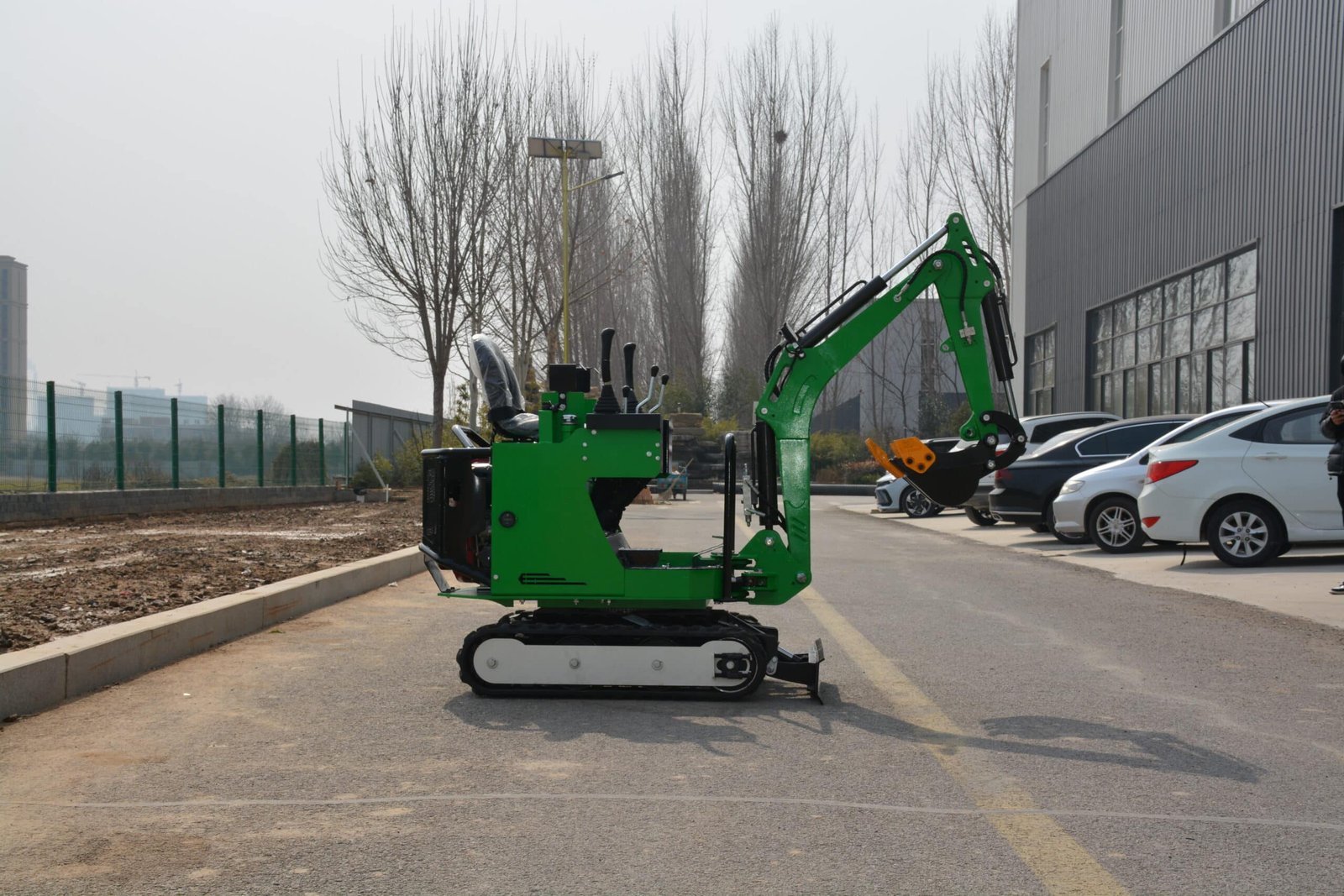
- 1 Ton class usually means ultra-compact, often aimed at backyard work, indoor demolition, tight garden paths, and first-time owners who mainly care about price, width, and easy transport.
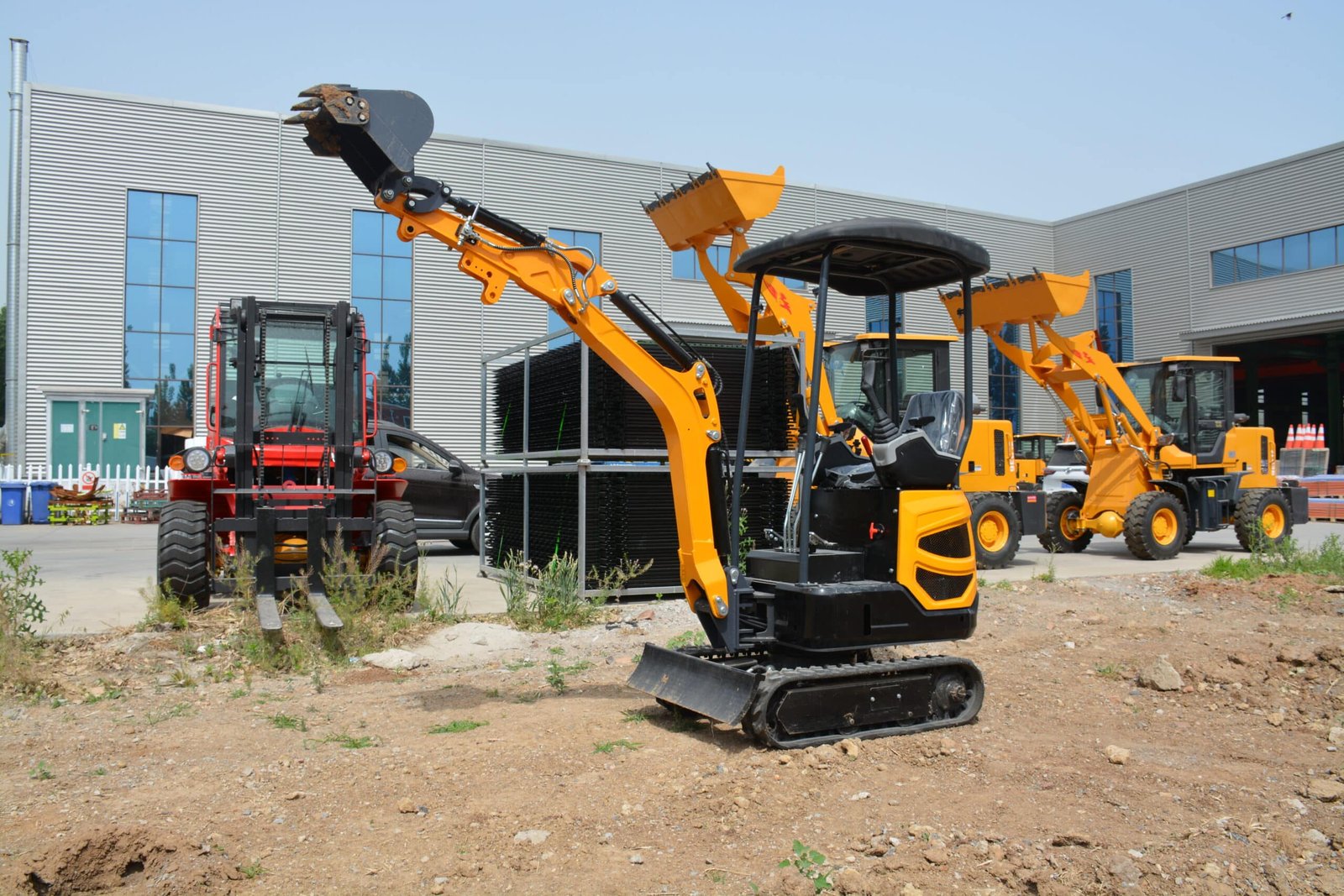
- 1.8 Ton class is often the first “serious jobsite” step—still compact, but noticeably more stable and capable. Many end users start expecting it to do real trenching, footing work, drainage lines, and daily contracting tasks without feeling like the machine is “on the edge” all the time.
One practical detail resellers learn fast: customers don’t talk in tonnage at first. They ask:
- “Can it fit through a gate?”
- “Can it dig a proper trench?”
- “Will it lift a pallet / pipe / rock?”
- “Will it feel stable?”
- “Can I get parts quickly?”
- “Will it hold value if I resell it?”
Those questions point to why tonnage choice is a business decision, not a spec-sheet decision.
2) The Reseller Mindset: What Actually Drives Profit
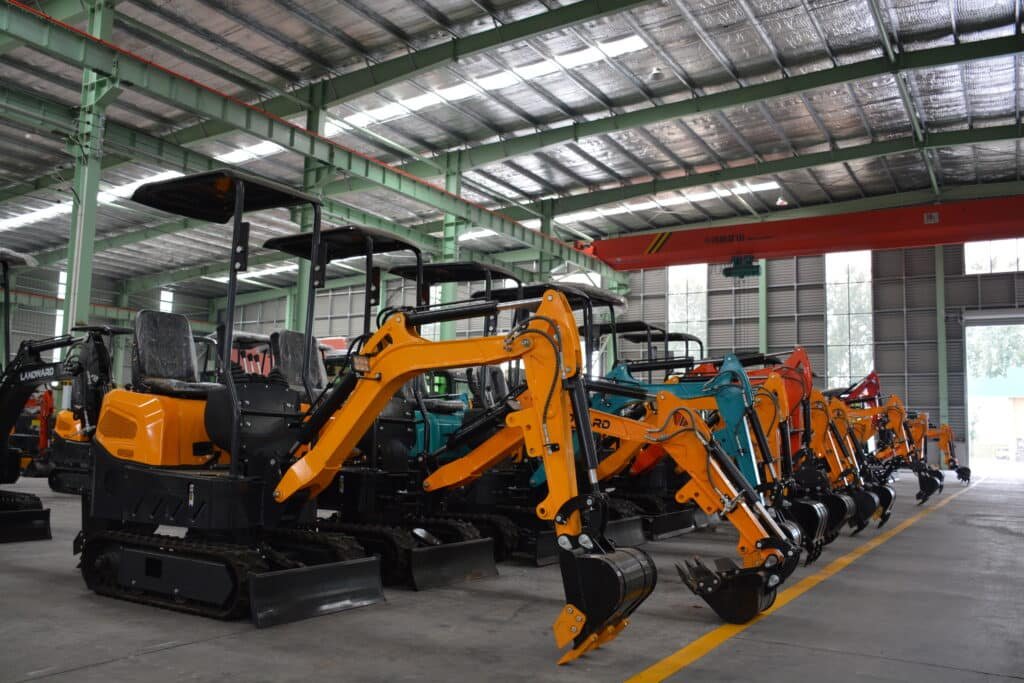
For resellers (dealers, importers, rental fleets), profit usually comes from four levers:
A) Turn speed (how fast inventory converts to cash)
A model that sells quickly—even at slightly lower margin—can outperform a slow-moving model with higher margin.
B) Warranty and after-sales cost (the “silent margin killer”)
A machine that looks cheap upfront can become expensive if it triggers:
- hydraulic leaks,
- electrical failures,
- track issues,
- overheated engines,
- customer complaints from weak performance.
C) Landed cost stability (shipping + packing + damage risk)
Compact machines ship well, but “too small” sometimes means weaker packing frames, lighter components, and more transit damage if the factory cuts corners.
D) Add-on revenue (attachments, spare parts, service)
Many dealers quietly make more profit on:
- buckets, thumbs, augers, breakers,
- quick couplers,
- spare filters + undercarriage wear parts,
- service labor.
With that lens, the “best tonnage” is the one that fits the biggest reliable customer pool with the least headache.
3) 1 Ton Mini Excavator: Where It Wins (and Where It Hurts)
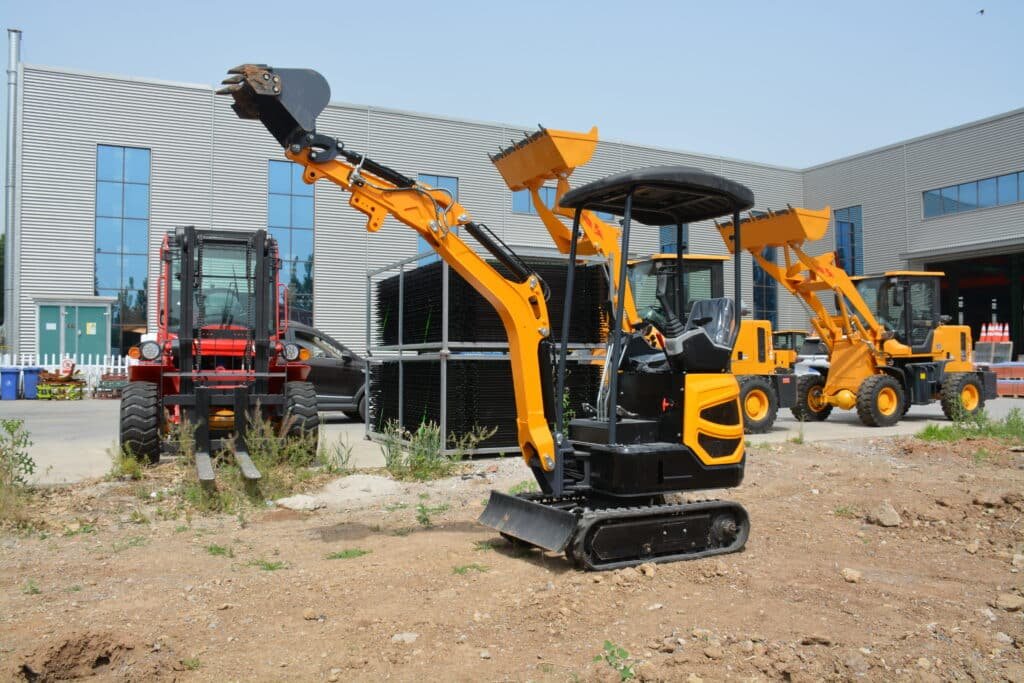
Where 1 Ton Wins for Resellers
1) Easy “first excavator” sale
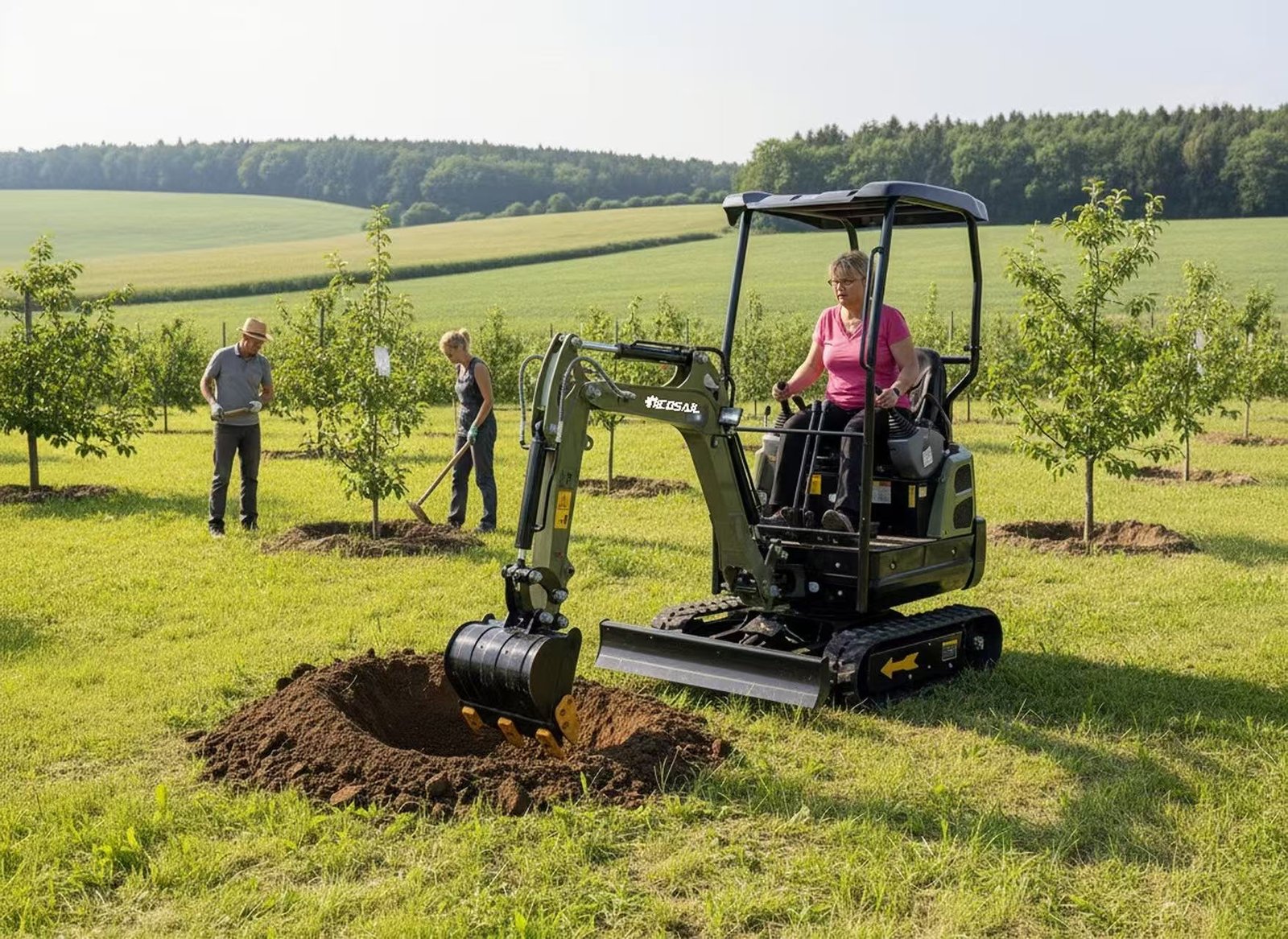
A 1T mini excavator is often an impulse upgrade for:
- homeowners,
- gardeners,
- small farms,
- hobby landowners.
They want something that feels like: “small, simple, not scary.”
2) Tight-access selling is simple
If the machine is narrow enough for gates and tight paths, marketing is easy:
- “fits through narrow access”
- “works in backyards”
- “minimal ground damage”
These phrases sell.
3) Lower entry price (bigger audience at the bottom of the market)
There’s a huge global market that just wants a usable machine at a low cost. If the dealer channel targets price-sensitive buyers, 1T can move.
4) Transport convenience
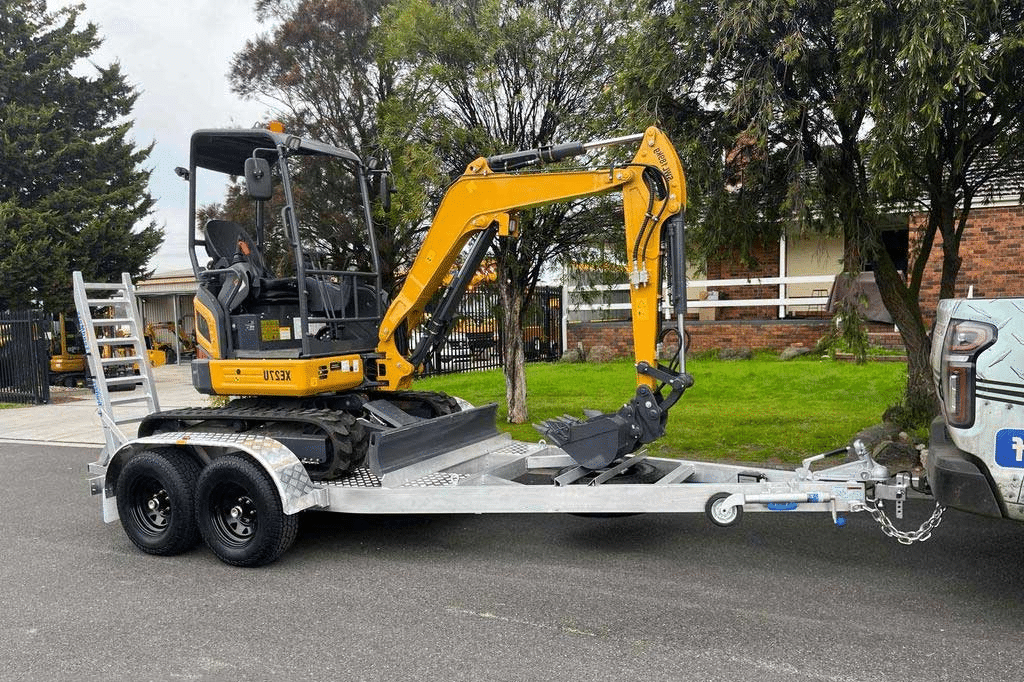
Many 1T units are easier for customers to tow with lighter trailers. That reduces buyer friction.
Where 1 Ton Hurts (the reseller pain points)
1) Performance complaints happen more often
This is the big one. A 1T machine can do real work—yes—but customers often overestimate what it can do.
Typical complaint patterns:
- “It feels tippy.”
- “It struggles in hard soil.”
- “Travel speed is slow.”
- “It can’t lift what I expected.”
- “The boom/arm feels weak.”
Even if the machine is working normally, the customer may still feel disappointed—because expectations were unrealistic.
2) Stability is less forgiving
Smaller footprint + lighter weight = easier to tip when:
- swinging with a loaded bucket,
- working on uneven ground,
- using a breaker,
- lifting rocks.
That increases safety concerns and returns/arguments—especially in markets with strict liability culture.
3) More sensitivity to component quality
In 1T class, some factories cut costs hard:
- thinner steel in dozer blade,
- low-grade pins/bushings,
- cheaper hose fittings,
- minimal paint prep.
That’s when warranty tickets show up early.
4) Lower “professional” resale value
Many contractors simply don’t want 1T. So second-hand demand can be narrower. Dealers who take trade-ins may feel that pain later.
Reseller takeaway:
A 1T mini excavator can be a fast mover in the right market—but it needs tight customer targeting and very honest positioning to avoid “it’s too weak” complaints.
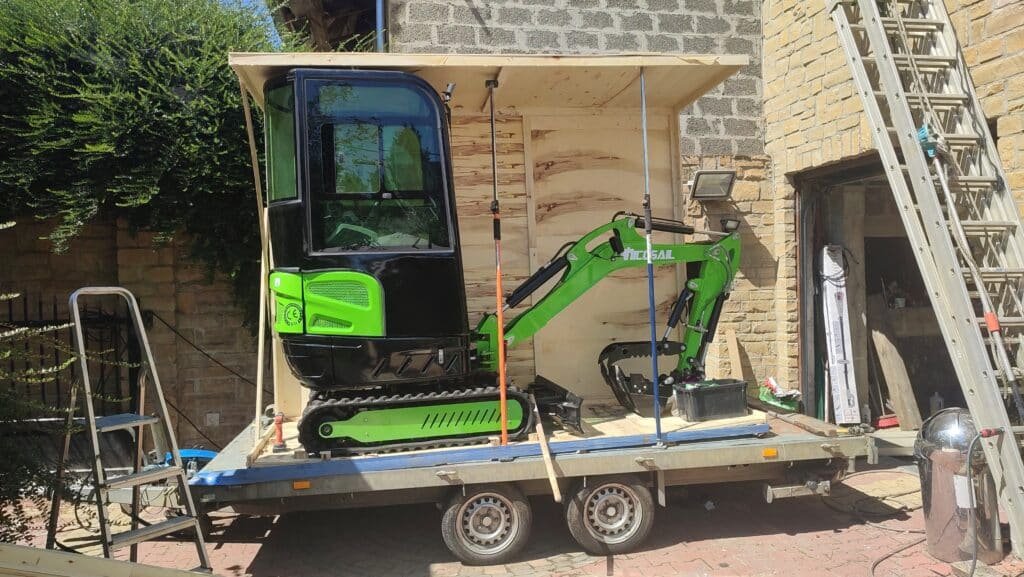
4) 1.8 Ton Mini Excavator: Why It’s the “Safe Stock” for Many Dealers
Why 1.8 Ton Often Sells More Smoothly
1) It meets “real work” expectations
The jump from 1T to 1.8T is not small in customer experience. Buyers feel:
- better stability,
- stronger digging force,
- more usable lifting,
- less “toy-like” behavior.
That reduces post-sale disappointment.
2) Broader buyer pool
1.8T can sell to:
- homeowners with bigger land,
- landscapers,
- drainage contractors,
- small builders,
- rental customers (who are rougher on machines).
It’s more “universal.”
3) Better attachment compatibility
In many markets, the 1.8T class fits a common attachment ecosystem:
- quick couplers,
- buckets sizes,
- thumbs,
- small breakers.
That means higher upsell potential for the dealer.
4) Better tolerance for rough use
Rental and contractor use is brutal:
- lots of travel,
- lots of swing,
- lots of digging in mixed soil,
- operators who don’t baby equipment.
A 1.8T machine, if built properly, usually survives this environment better than 1T.
Where 1.8 Ton Can Lose
1) Slightly higher landed cost
More weight and size can mean:
- fewer units per container,
- slightly higher freight and handling,
- higher working capital per unit.
2) Tight-access “gate fit” can be harder
If the local market is heavily backyard-focused (narrow gates), a wider 1.8T may lose deals.
Reseller takeaway:
For most general dealer channels, 1.8T is the safer “default stock” because it reduces capability complaints and opens more customer segments.
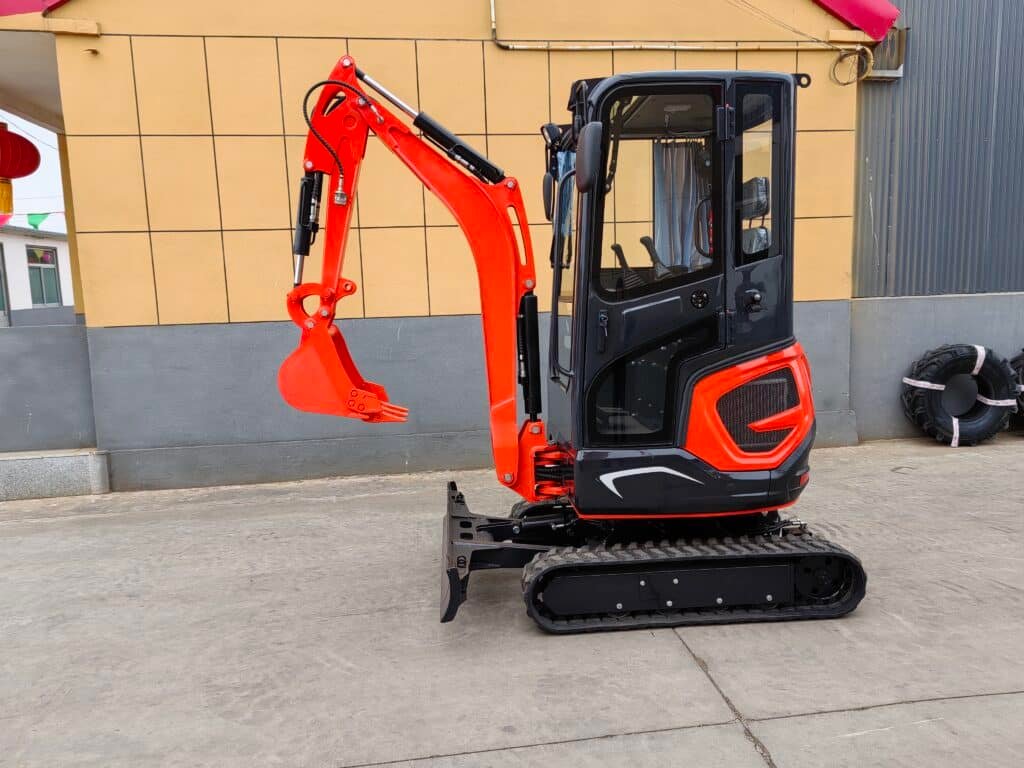
5) Side-by-Side Comparison That Matters to Resellers (Not Just Engineers)
Here’s what really matters when choosing inventory:
A) “Expectation gap” risk
- 1T: higher risk (customers overestimate capability)
- 1.8T: lower risk (more forgiving performance)
B) Returns / disputes / bad reviews
- 1T: more likely if marketing isn’t careful
- 1.8T: generally fewer “this is underpowered” complaints
C) Customer financing comfort
- 1T: easier for cash buyers, hobby buyers
- 1.8T: easier to justify for pros (“it earns money”)
D) Dealer service workload
- 1T: more “how do I operate it?” calls + performance complaints
- 1.8T: more “maintenance schedule” and “attachments” conversations (healthier)
6) Shipping, Container Loading, and Landed-Cost Reality
This part can change the tonnage decision more than most people expect.
What typically happens in real importing
- 1T class may allow more units per container (depending on design and packing frame).
- 1.8T class usually packs fewer units, but the margin per unit can be higher and the warranty rate may be lower.
But here’s the catch: packing quality matters more than tonnage.
A common reseller nightmare is not “wrong tonnage.” It’s:
- bent canopy frames,
- scratched cylinders,
- cracked plastic covers,
- broken lights,
- paint rubbed through to metal,
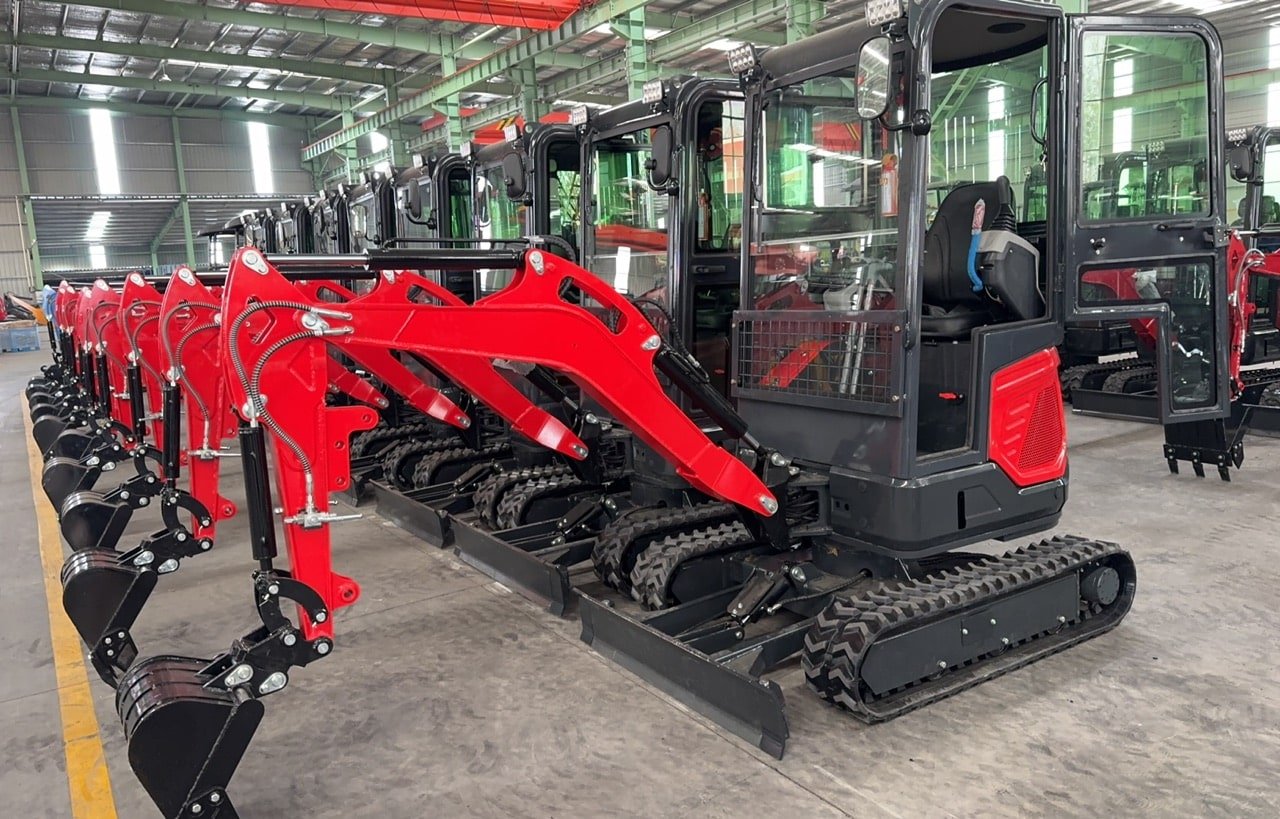
- loose parts inside the crate.
These problems come from poor blocking/bracing, weak steel shipping frames, and sloppy loading—not from the excavator itself.
Practical dealer rule:
A factory that builds a strong packing frame and blocks the boom/arm correctly will save dealers more money than any small shipping optimization.
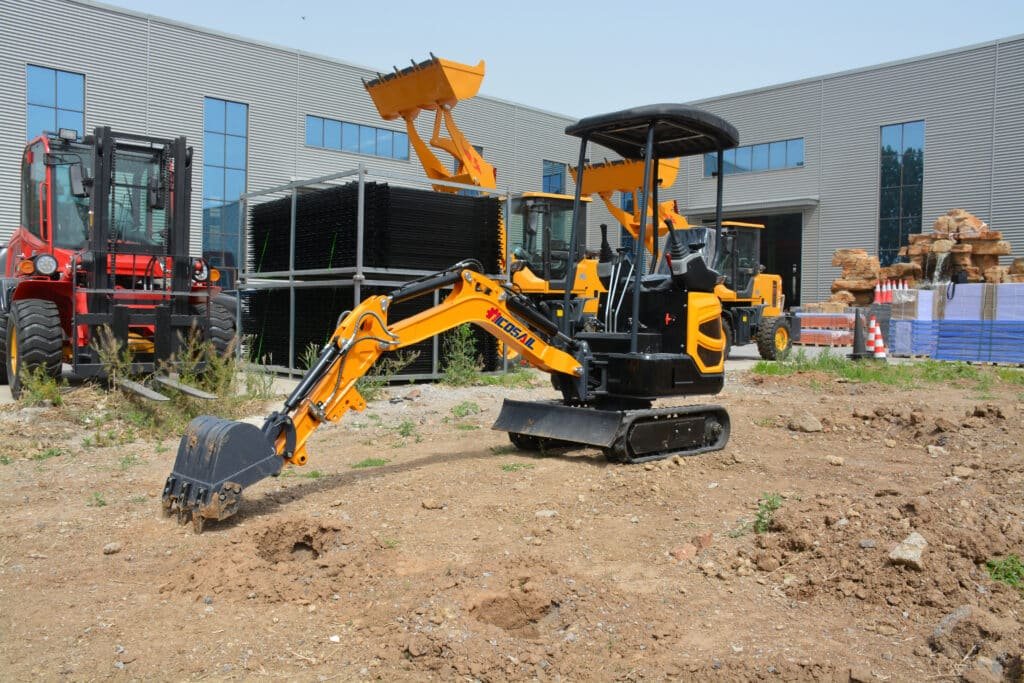
7) Warranty Risk: Which Tonnage Creates More After-Sales Headaches?
This is where experienced resellers get very opinionated.
1 Ton: Common after-sales triggers
- Hydraulic seepage at fittings (cheap fittings + vibration)
- Track issues (misalignment, weak tensioner parts)
- Swing system looseness appearing earlier (if bearing/support quality is poor)
- Customer “it’s weak” complaints (even if no defect exists)
1.8 Ton: Common after-sales triggers
- Overheating if cooling package is undersized or radiator gets clogged easily
- Valve tuning / smoothness complaints (jerky operation if factory doesn’t tune well)
- Electrical gremlins if harness routing is sloppy
The real point
A well-built 1T can beat a poorly built 1.8T any day.
But in the average market, 1.8T tends to generate fewer “capability expectation” disputes, which are the hardest to resolve because no part replacement fixes them.
8) Customer Segmentation: Who Buys 1T, Who Buys 1.8T?
If resellers match tonnage to buyer type, sales get easier and reviews get better.
Best-fit buyers for 1 Ton
- Garden and landscape maintenance (light duty)
- Homeowners doing small trenching projects
- Tight access properties (narrow paths, gates)
- Buyers who value “small and simple” more than speed and power
How to sell it correctly:
Position it like a compact helper, not a mini bulldozer. When dealers set the right expectation, customers love it.
Best-fit buyers for 1.8 Ton
- Landscapers doing weekly installs
- Drainage and utility trenching (light commercial)
- Small builders and contractors
- Rental fleet customers
- Farms doing regular digging and ditch work
How to sell it correctly:
Position it as the “do-it-all compact excavator”—still easy to transport, but strong enough to feel professional.
9) Attachments and Upsell: Which Platform Sells More Add-Ons?
For resellers, attachments are not “extra.” They’re often the profit engine.
1 Ton attachments that sell well
- small buckets (narrow trench, grading)
- rake / ripper
- small auger for light drilling
- light-duty thumb (if the machine can handle it safely)
But heavy breaker sales can be tricky—1T machines may not feel stable and customers may get disappointed.
1.8 Ton attachments that sell well
- quick coupler (big upsell)
- multiple buckets (trenching + grading)
- hydraulic thumb
- auger
- small breaker (more realistic use)
- ditching bucket for landscapers
Upsell advantage:
1.8T usually gives a dealer more room to build an attachment package that feels “worth it.”
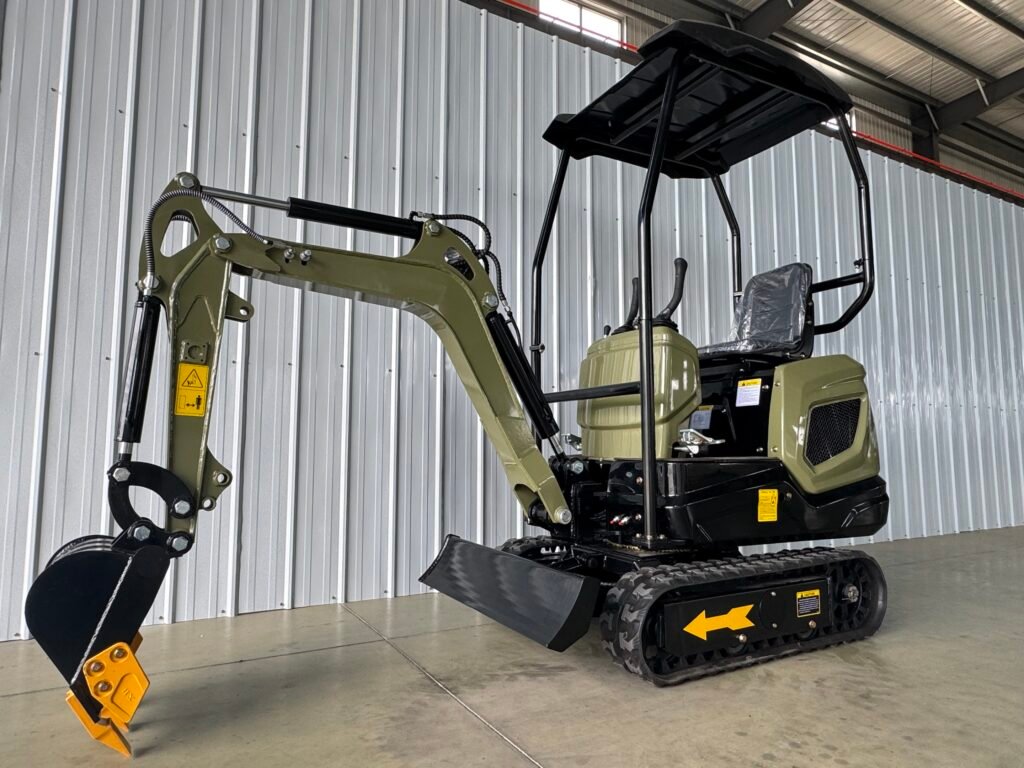
10) Dealer Stock Strategy: What to Carry If Budget Is Tight
Not every dealer can stock everything. Here are practical stocking strategies that work.
Strategy A: “One model that sells to almost everyone”
Choose 1.8T if the dealer market includes contractors, farms, and rental use.
It’s the safer single-SKU bet.
Strategy B: “Two-model ladder (best for brand building)”
- 1T as the entry model (cash buyers, backyard users)
- 1.8T as the step-up model (pros, rental, serious work)
This creates a clean upgrade path. Customers who start at 1T often come back later for 1.8T when they realize how useful an excavator is.
Strategy C: “Local market decides”
- If 80% of leads ask “can it fit through a gate?” → stock more 1T
- If 80% ask “can it trench all day?” → stock more 1.8T
Dealers who track lead questions usually stop guessing within one season.
11) Factory Checks That Prevent Reseller Nightmares (Simple but Critical)
This is where a lot of importers get burned: they focus on paint and decals, but ignore the stuff that decides warranty rates.
Here’s a reseller-friendly factory checklist (no engineering degree needed):
A) Hydraulic system basics
- Check hose routing: are hoses rubbing metal edges?
- Look for proper clamps and protective sleeves.
- Ask if the factory does a pressure/leak test before shipping.
B) Welding and structure
- Inspect boom/arm weld areas for clean bead shape and consistency.
- Look for obvious undercut, spatter, or rushed grinding.
C) Pins and bushings
- Ask what material is used and whether grease paths are designed properly.
- Check if grease nipples are accessible (customers actually need to service them).
D) Cooling and airflow (especially for 1.8T)
- Look at radiator spacing and whether debris can clog it easily.
- Check for a clean airflow path, not blocked by poor layout.
E) Electrical harness routing
- Are wires protected from sharp edges?
- Are connectors secured to avoid vibration loosening?
These checks sound basic, but they directly reduce the “early life failure” issues that kill reseller reputation.
12) Where Nicosail Fits
For resellers sourcing from China, the goal is usually simple: sell confidently, ship reliably, and avoid after-sales chaos.
A manufacturer like Nicosail tends to fit dealers who care about:
- stable build consistency across batches,
- practical configuration options (canopy/cab style, hydraulics options, attachment-ready setup),
- export experience for Europe, North America, and Australia markets,
- and clearer factory-side quality control processes (the kind that prevents “container surprise” damage and avoidable leaks).
The key point for resellers is not the logo. It’s whether the factory behaves like a long-term partner:
- clear communication,
- realistic lead times,
- honest documentation,
- and support for parts and service planning.
That’s the difference between “a cheap unit” and “a repeatable business.”
FAQs
1) Which tonnage is better for most resellers: 1T or 1.8T?
For most general dealer channels, 1.8T is the safer choice because it fits more customer types and creates fewer “it’s underpowered” disputes.
2) Is 1T better for fast sales because it’s cheaper?
Sometimes, yes—especially in homeowner-heavy markets. But it can also create more performance complaints if customers expect contractor-level output. Fast sales only stay “good sales” when expectations are set correctly.
3) Which one is better for rental fleets?
Usually 1.8T. Rental customers are tougher on machines, and the extra stability and capability reduce damage and complaints.
4) Which tonnage has lower warranty risk?
It depends more on factory quality than tonnage. But in many markets, 1.8T has fewer expectation-related complaints, which are the hardest “warranty-like” problems to solve.
5) Which one has better attachment upsell potential?
Generally 1.8T. It handles a broader range of attachments in a way customers find genuinely useful.
6) Should a dealer stock both?
If budget allows, yes. A two-step ladder (1T entry + 1.8T core) captures more leads and creates a natural upgrade path.
7) What’s the biggest mistake resellers make when choosing tonnage?
Choosing based only on purchase price. The better approach is choosing based on:
- customer type,
- usage reality,
- after-sales workload,
- and repeatability of quality.
Final Summary
For resellers deciding between China 1-ton vs 1.8-ton mini excavators, the smartest choice depends on who the end customers are and how the dealer wants to make money.
- 1 Ton is great for tight-access, price-sensitive, light-duty buyers—but it carries higher risk of capability complaints and requires careful positioning.
- 1.8 Ton is the safer all-round inventory choice for dealers because it satisfies broader customer expectations, supports more attachments, and tends to reduce disputes that eat time and margin.
The “best” tonnage is the one that matches the dealer’s buyer base and protects reputation over time. For resellers who prioritize consistent build quality and export-ready support, factories like Nicosail are typically a better fit—because repeat business is built on fewer surprises, not just a low invoice price.