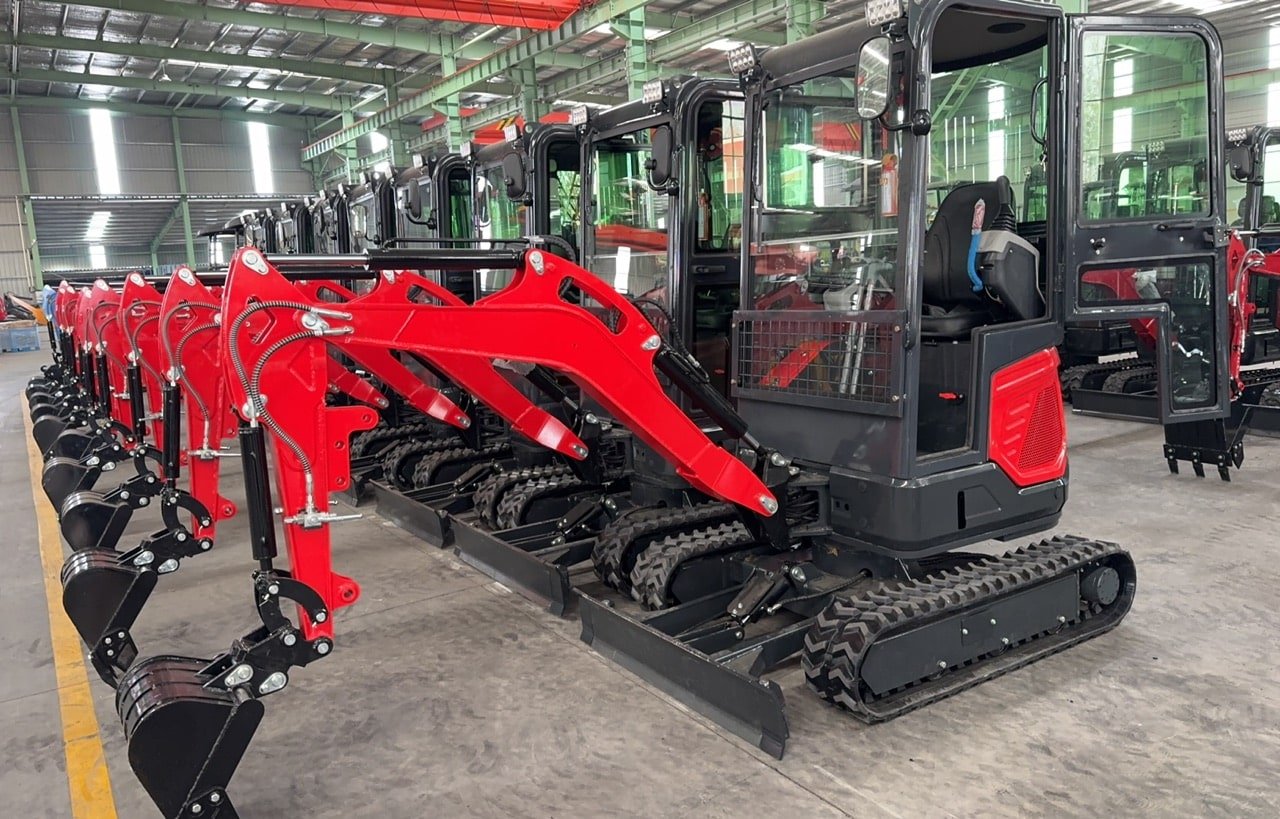
1) The short answer: is demand really growing?
Yes—structural demand for small excavators is trending upward, even though year-to-year sales can look “flat” in some regions because construction equipment moves in cycles.
Here’s the practical way to think about it:
- The long-term pull is strong: utilities, urban work, landscaping, small contractors, rental fleets, and tighter job sites keep favoring compact machines.
- The short-term push is uneven: interest rates, housing starts, and public project timing can cause mini excavator sales to stall for a season—then bounce back.
A good example: U.S. financed sales data showed new mini excavator sales up about 0.6% (July 1, 2024–June 30, 2025). That’s not explosive growth—but it is stable demand in a choppy cycle, which is often the real story for compact equipment.
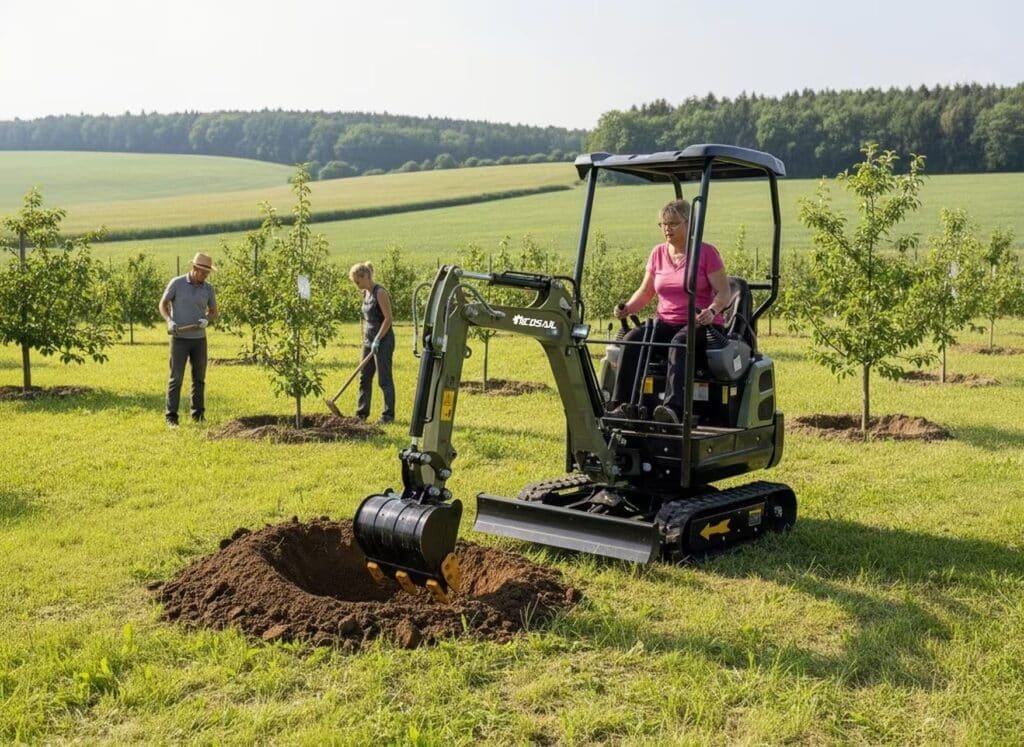
2) What “small excavator” means (and why it matters)
Different markets use different labels, but buyers usually mean one of these:
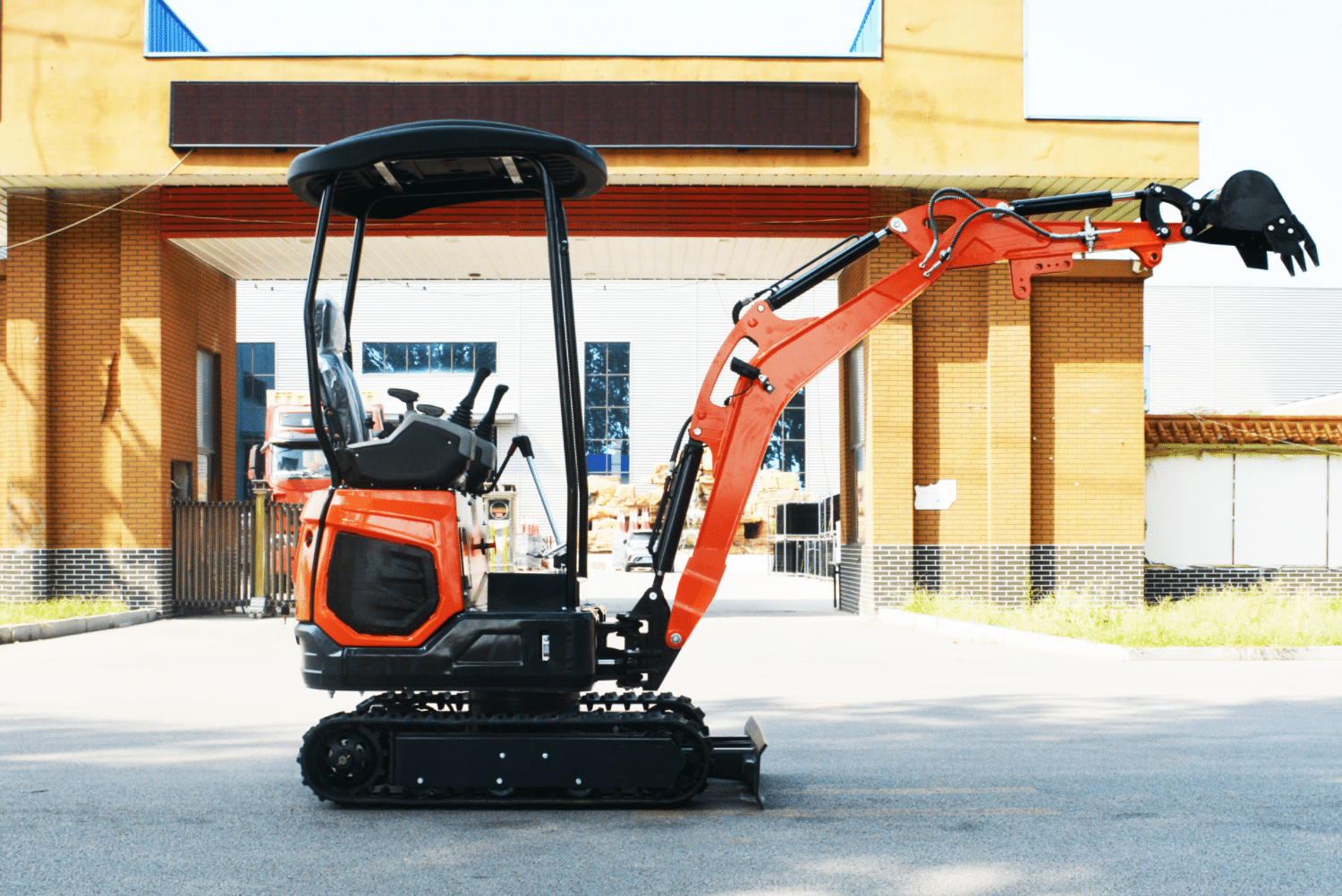
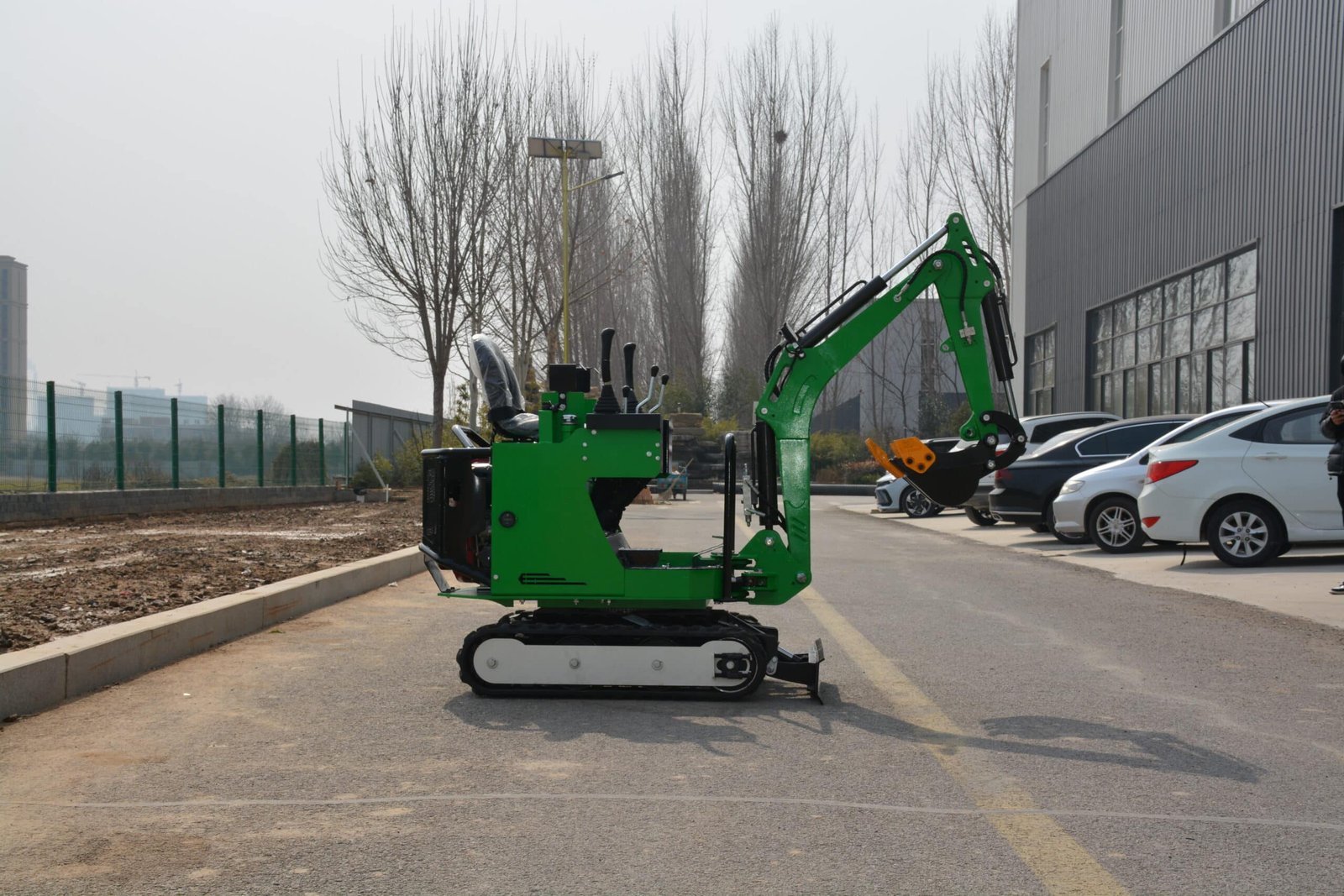
- Micro excavators (≈ 0.8–1.2 ton): gates, backyards, indoor demolition, ultra-tight access
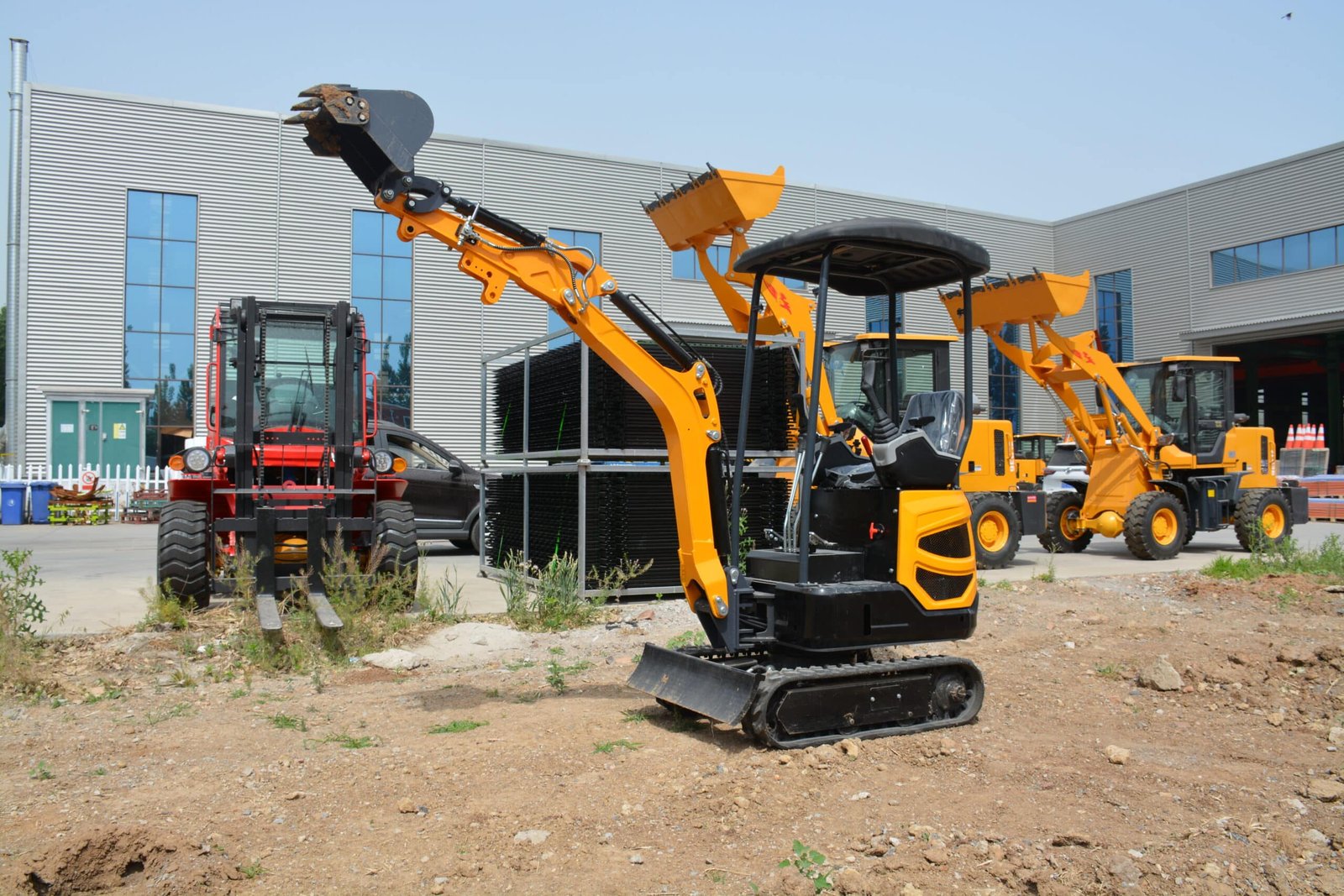
- Mini excavators (≈ 1.5–3.5 ton): landscaping, light construction, utilities, rentals
- Compact excavators (≈ 4–6 ton): heavier site work, longer reach, more lifting, still “small-jobsite friendly”
Why this matters: the fastest-moving demand pockets aren’t always the same size class. A rental fleet might want the “sweet spot” (often 1.7–2.7 ton). A utility contractor might push toward 3.5–6 ton with a hydraulic thumb and quick coupler. A homeowner market is usually 1 ton and under—where service support and parts availability become the real differentiator.
3) A quick reality check with recent data
To avoid guessing, use a few “anchor signals”:
- Mini excavator demand is staying resilient in North America. The U.S. mini excavator sales figure above shows steady movement rather than collapse.
- The broader construction equipment market is cyclical. Off-Highway Research described a down cycle with expectations of improvement later (cycle bottoming before returning growth). That matters because compact machines can outperform the average, but they don’t live in a bubble.
- Rental continues to expand, and rental fleets are a major engine behind compact equipment volume. The American Rental Association has projected continued revenue growth for construction and general tool rental (U.S. + Canada).
So the most accurate answer isn’t “always up fast.” It’s:
Demand is broadening and becoming more diversified—and that’s usually healthier than a single boom segment.
4) Why small excavators keep winning (the demand drivers)
Small excavators are getting pulled by multiple industries at once. That’s the difference versus many big machines.
Driver A: Tight jobsites and urban “infill” work
Cities push more work into smaller footprints: upgrades, repairs, and rebuilds—not wide-open greenfield sites. Small excavators fit that reality.
Driver B: Utility upgrades (water, power, fiber, drainage)
Utility work is the perfect small-excavator world: trenching, backfill, working around existing services, and moving site-to-site quickly. Public infrastructure spending has been elevated compared with earlier decades in the U.S., supporting steady work volume.
Driver C: Labor pressure (need productivity per operator)
When crews are tight, buyers want a machine that can do more jobs with attachments—buckets, augers, breakers, grapples, rippers, thumbs.
Driver D: Rental economics
Rental houses love machines with high utilization, broad customer fit, and low training barriers. Minis check all three boxes.
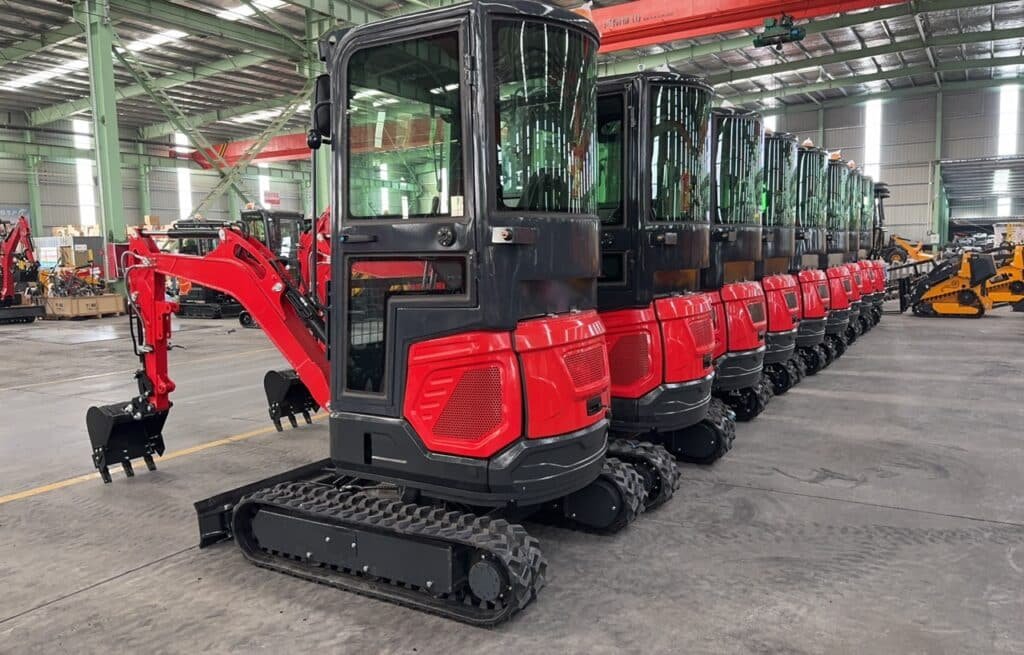
5) Key market trends to watch
5.1 Rental fleets are shaping machine specs
In 2025, industry coverage highlighted that mini excavators are no longer “scaled-down big machines.” They’re increasingly purpose-built for rental and mixed-experience operators—simple controls, durable components, easy service access, and fewer “fragile” add-ons.
What this means for buyers (especially dealers/importers):
If a machine is meant for rental or resale into rental-heavy markets, prioritize:
- Protected hoses and cylinder guards
- Simple, durable joystick layout
- Easy daily checks (filters, grease points, access doors)
- Quick coupler + auxiliary lines designed for attachment swaps
- Reliable parts pipeline (not “special one-off” components)
If the spec looks great but parts are slow, rentals will reject it. Rental downtime is brutal.
5.2 Utility work + trenching demand keeps rising
A large portion of “real-world mini excavator hours” comes from utilities: repairs, upgrades, and new lines. U.S. infrastructure programs and broader public spending trends have supported ongoing transportation/water investment and utility modernization.
Why it matters for mini excavator demand:
Utility jobs reward:
- Compact tail swing / zero tail swing
- Stable undercarriage + strong dozer blade
- Smooth hydraulics at low speed (precision around lines)
- Attachment readiness (especially auger + breaker + compaction tools)
If a buyer sees more utility contracts, it’s usually a green light for compact excavator stocking.
5.3 Emissions rules are changing engines (and costs)
Europe’s Stage V and similar emissions frameworks push cleaner engines and, often, aftertreatment like DPF on many models. OEM guidance explains Stage V as the latest EU off-highway emissions stage and highlights operational implications like regeneration routines.
What to watch in 2026:
- Buyers are more sensitive to engine compliance authenticity (real certificates, real engine tags, real documentation).
- Some customers will pay more for Stage V-ready machines if it avoids import/customs headaches.
- Service training matters: improper regeneration handling becomes a downtime trigger.
For importers: emissions compliance is no longer “just paperwork.” It affects real operating behavior and customer satisfaction.
5.4 Electric minis are moving from “demo” to “real jobs”
Electric compact equipment is growing, pushed by indoor work, noise restrictions, and sustainability policies. Off-Highway Research reported very strong growth in the electric construction equipment market (with the biggest volume drivers varying by region).
OEM activity also shows the direction: brands continue launching new compact excavator generations and adding electric options into lineups (for example, CASE highlighted new mini models including an electric model; Volvo CE announced new-gen compact excavator models ahead of a major trade show).
What’s the practical takeaway (not hype):
Electric minis are still not a universal replacement for diesel. But they’re becoming a serious niche winner in:
- Indoor demolition
- Urban night work
- Schools/hospitals/municipal sites with noise limits
- Fleets that can charge reliably
Dealers who ignore electric completely may miss premium-margin deals. Dealers who over-stock electric without charging-support customers may get stuck with slow-moving inventory.
5.5 Comfort + safety features are no longer “premium”
Mini excavators are used by more “mixed-skill” operators than ever—especially via rental. So comfort and safety features move from “nice-to-have” to “purchase-deciding.”
Signals from OEM launches and show previews point to refreshed cabs, improved ergonomics, and “operator-first” updates being front-and-center.
Features getting pulled into the baseline expectation:
- Better visibility (mirrors/cameras, thinner pillars, smarter layout)
- Smoother pilot controls and more predictable hydraulics
- Safer entry/exit (steps/handles)
- Clear service labeling and maintenance reminders
- More comfortable seating and lower cabin noise
This is especially important in Europe and North America, where the operator experience heavily influences brand loyalty.
5.6 Telematics, anti-theft, and “fleet control” are now expected
Even smaller contractors want to know: Where is the machine? How many hours? Is it being abused? When is service due?
Rental and construction-tech platforms are growing fast, and financing data plus fleet management tools keep tightening the expectation that equipment is “connected,” not invisible. (Recent equipment-tech market activity, including major rental/tech players expanding, reflects this direction.)
For dealers/importers, telematics isn’t only a feature—it becomes:
- A service revenue stream
- A theft-reduction benefit
- A fleet customer retention tool
5.7 Supply chain localization and trade friction are changing sourcing
OEMs are actively reducing reliance on long-distance exports by investing in regional production and assembly, aiming to cut logistics risk and improve responsiveness.
Why this matters even to small excavator importers:
Customers now ask tougher questions:
- “Can you deliver in peak season?”
- “Do you have parts locally?”
- “Will tariffs or shipping delays hit this model?”
So the winning suppliers will look less like “sell once and disappear,” and more like a stable program: consistent parts, steady documentation, predictable lead times, and transparent production planning.
6) Regional notes: what buyers are seeing
Europe
- Stage V compliance is table-stakes.
- Compact machines fit renovation, utility upgrades, and dense job sites.
- Buyers expect professional documentation and consistent aftersales.
North America
- Mini excavator sales have been steady rather than exploding—still a positive sign given rate pressure.
- Rental growth remains a major demand engine.
- Utility and public infrastructure spend supports multi-year work volume.
Australia
- Compact machines remain popular for landscaping, rental, agriculture, and civil subcontractors—buyers usually care most about durability, parts availability, and fast shipping windows.
7) What to watch if you’re buying for resale, rental, or a dealer network
Instead of relying on “market reports,” watch these real demand signals:
- Rental house fleet additions in your area (they often lead the demand curve).
- Utility project volume (fiber, water, power upgrades).
- OEM launch intensity (when many brands refresh compact lines, it’s because demand is strategic).
- Equipment financing activity (when financing volumes rise, purchase intent is real).
- Lead-time and parts lead-time (tightening lead-times can signal demand pressure; loosening can signal discount windows).
Practical stocking strategy (common “safe” ladder):
- 1.0 ton (micro) for access-limited buyers
- 1.8–2.2 ton as the volume workhorse
- 2.5–3.5 ton for utility + attachment-heavy work
- 5–6 ton for higher lift and deeper dig but still “compact”
8) How to avoid the most common import mistakes
For B2B buyers/importers, the biggest losses rarely come from the sticker price. They come from hidden reliability and aftersales gaps.
Import mistake #1: Buying “spec sheet machines” without a parts plan
A mini excavator is only profitable if it stays working. Buyers should insist on:
- A starter spare parts kit matched to the model family
- Clear part numbering + exploded diagrams
- Written lead-time commitments for fast-moving parts
Import mistake #2: Weak documentation (certificates, engine compliance, serial traceability)
In regulated markets, sloppy paperwork becomes expensive downtime. Stage V expectations make this even stricter.
Import mistake #3: Ignoring the “rental abuse test”
If the target customers include rental fleets or mixed-experience operators, the machine must be built to survive:
- Hose routing protection
- Strong swing bearing setup
- Consistent welding quality
- Stable hydraulics that don’t overheat under long duty cycles
Import mistake #4: Delayed shipment that misses peak season
This one hurts the most because it destroys cash flow. A good supplier should offer:
- Production scheduling transparency
- Photo/video checkpoints during assembly
- Pre-shipment inspection structure (not “trust me”)
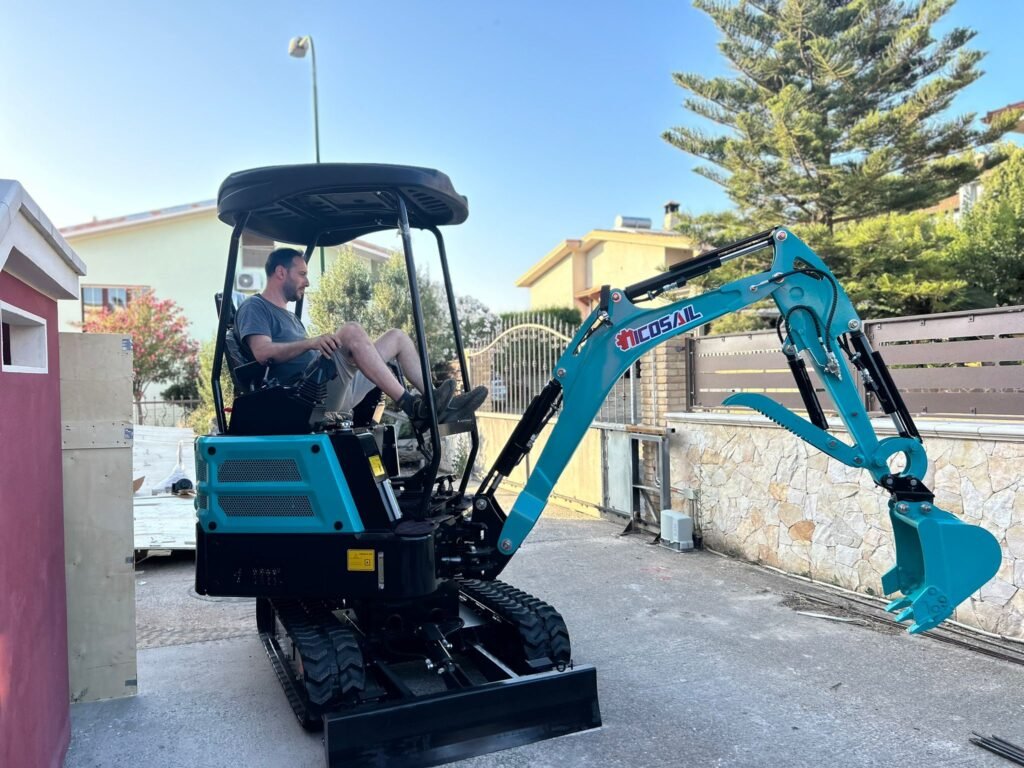
9) Where Nicosail fits
For buyers who source from China but sell into Europe, North America, or Australia, the supplier choice usually comes down to three things:
- Consistency: same components, same process, stable QC
- Compliance readiness: documentation discipline, export experience
- After-sales practicality: parts support, fast response, clear manuals
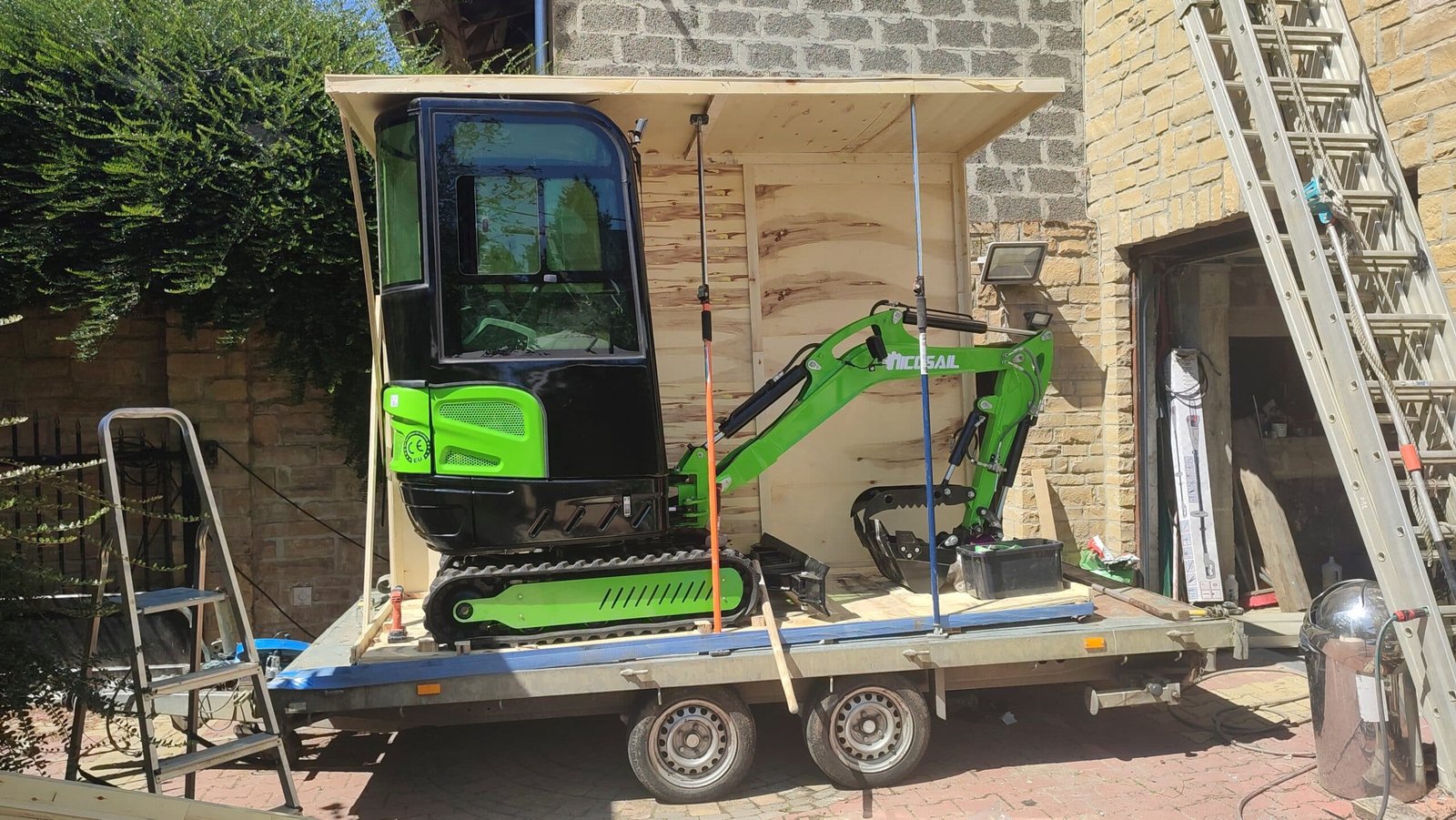
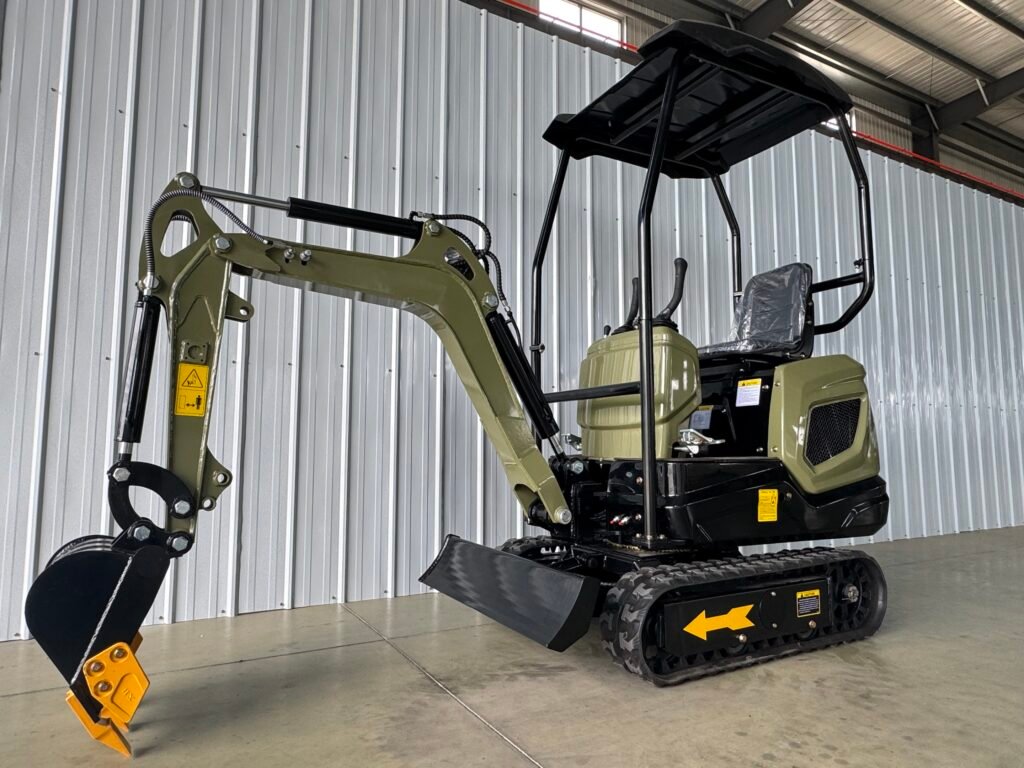
Nicosail is positioned for buyers who want a factory-built program (not a one-time deal): compact machines with customizable appearance for rebranding, export experience into regulated markets, and production capacity designed for repeat orders. The “best fit” is typically importers, dealers, and rental-focused buyers who want competitive pricing without gambling on reliability and paperwork.
10) FAQs
Q1: Is demand for small excavators growing or just “shifting”?
Both. Demand is growing in structural segments (utilities, rental, urban work), while shifting toward machines that are easier to own, rent, service, and connect digitally.
Q2: Why do sales sometimes look flat if demand is strong?
Because the industry is cyclical. Interest rates, housing, and project timing can flatten annual sales even while the long-term customer base expands.
Q3: Are electric mini excavators worth buying in 2026?
They’re worth it for the right use cases (indoor, noise-sensitive, urban). For general contracting without charging reliability, diesel still dominates.
Q4: What’s the #1 trend dealers should watch?
Rental influence. Rental fleets increasingly drive what features become “standard,” from easy service access to telematics expectations.
Q5: What features reduce ownership headaches the most?
A solid parts pipeline + easy maintenance access + stable hydraulics + attachment-ready auxiliary lines. These four beat “extra gadgets” every time.
Q6: What documents should an importer insist on?
Serial traceability, engine identification, compliance documents relevant to the destination market, and a clean packing + inspection record. Stage V markets are especially sensitive to this.
Q7: Which size class is the safest for resale?
Usually the 1.8–2.7 ton range because it fits landscaping, light construction, and rental customers—wide demand and easier transport.
11) Summary
Demand for small excavators is growing in the ways that matter most: broader applications, more rental influence, more utility work, and faster innovation in compact machine design. At the same time, the market remains cyclical—so smart buyers watch real demand signals (rental growth, infrastructure activity, financing, OEM launches) instead of trusting hype.
The winners in 2026 won’t be the buyers who chase the cheapest unit. They’ll be the ones who build a stable program: correct size mix, rental-friendly durability, compliant documentation, and an aftersales plan that keeps machines working. That’s also where export-ready factories like Nicosail tend to fit best—supporting repeat orders and long-term resale reputation rather than one-off deals.