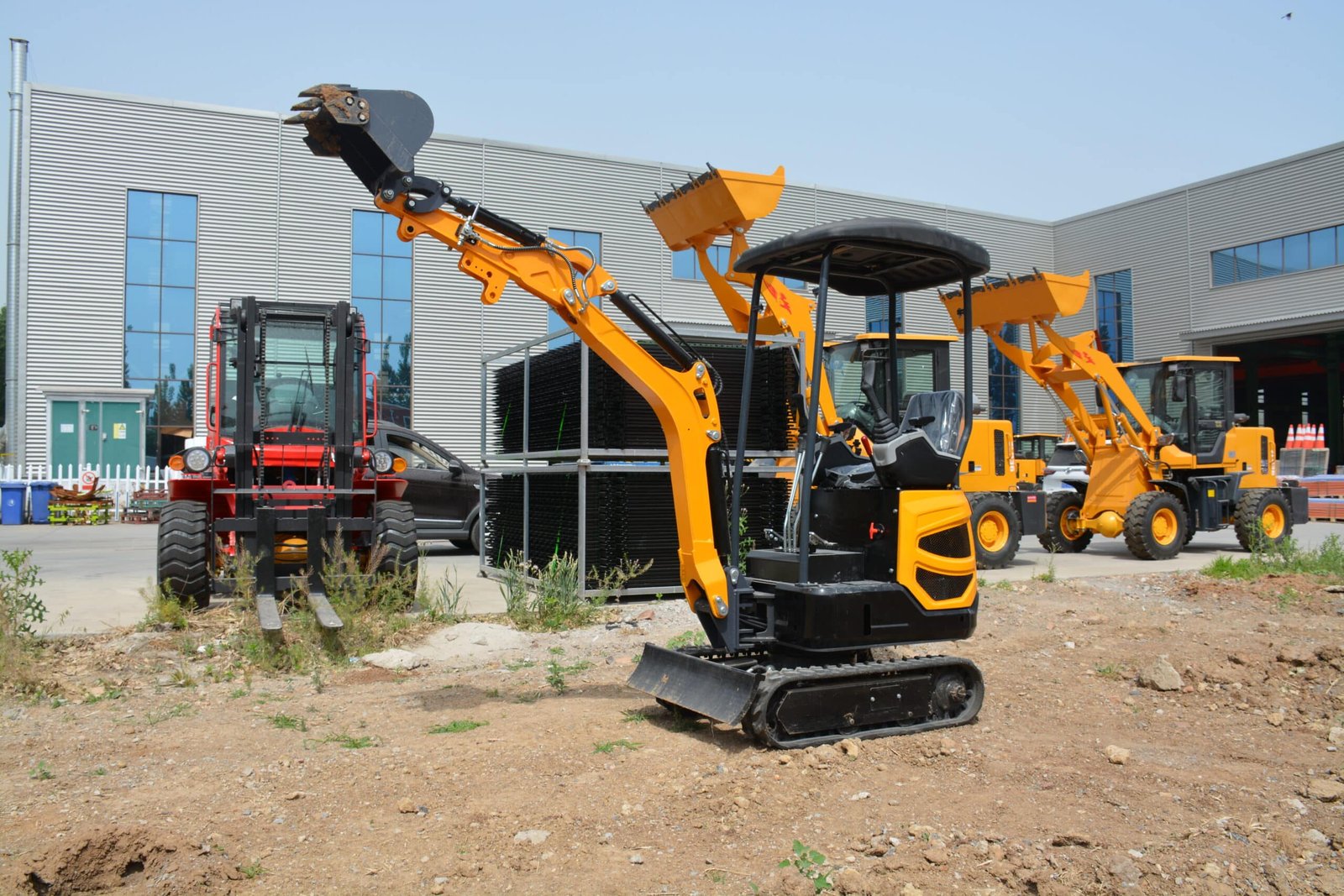
1. Why HS Codes Matter More Than Most Buyers Think
When importing a Chinese mini excavator, many buyers focus on price, specs, and delivery time. But customs does not care about any of that. Customs cares about HS codes.
HS code mistakes are one of the top three reasons for:
- Containers being held at port
- Unexpected extra duties
- Customs inspections
- Fines or re-classification
- Missed sales seasons
In simple words:
If the HS code is wrong, everything else becomes risky.
Many buyers only find out after the machine arrives at the port — and by then, it’s already too late.
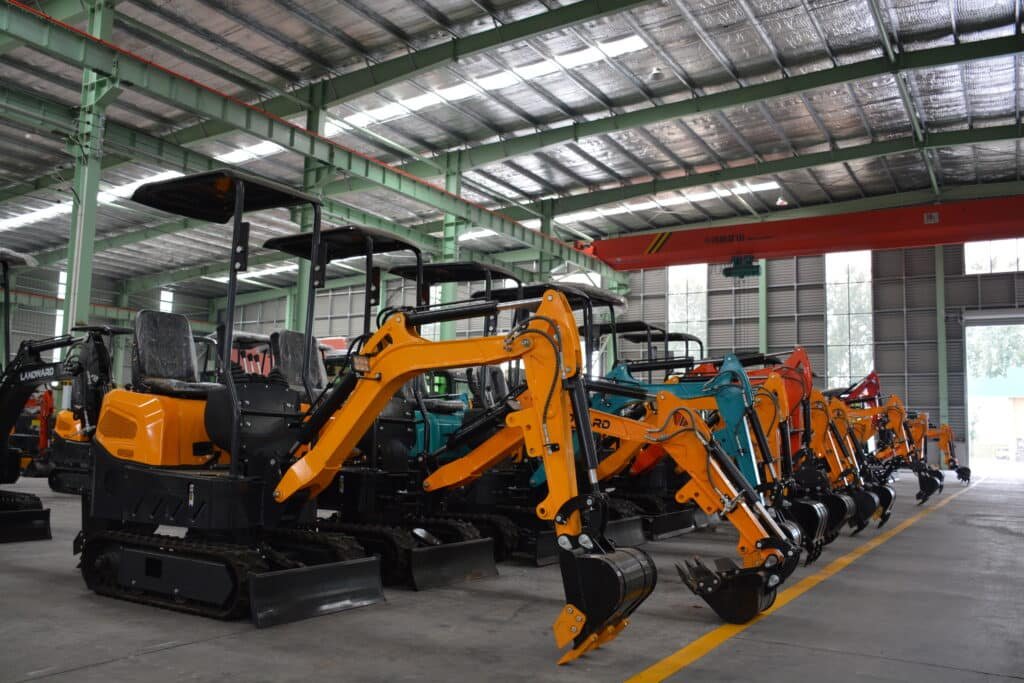
2. What Is the Correct HS Code for a Mini Excavator?
The Most Common HS Code Used Worldwide
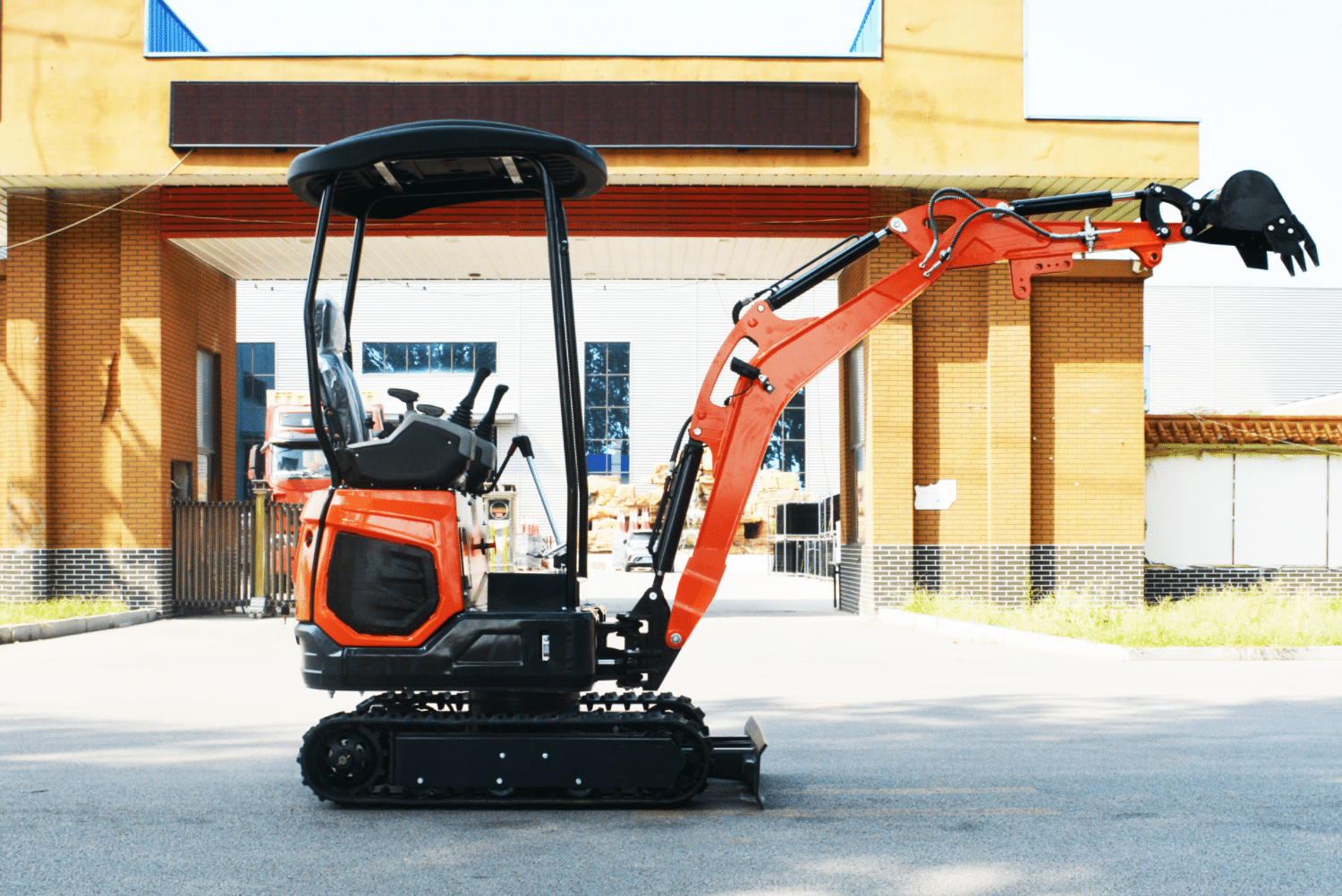
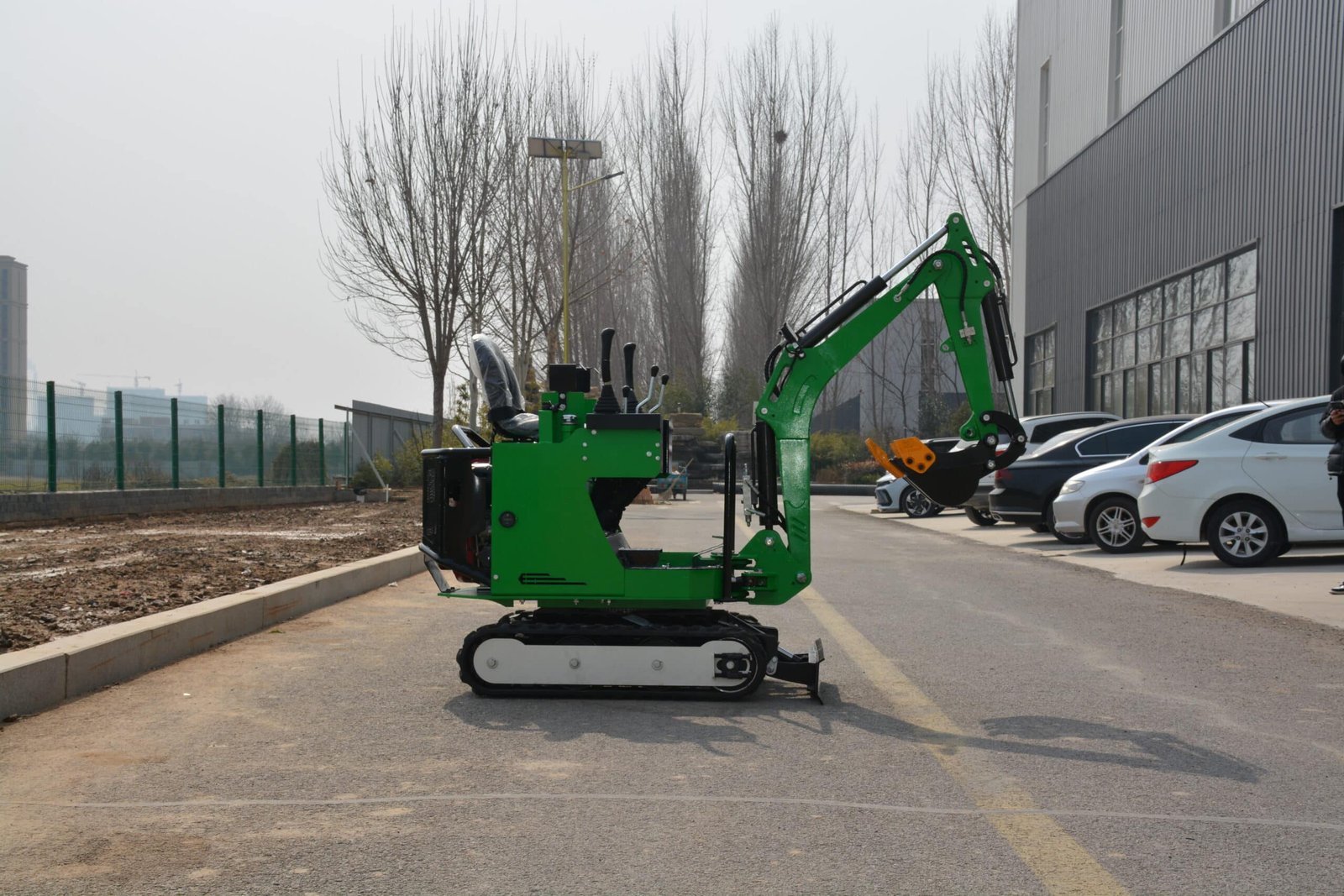
For mini excavators (crawler type, self-propelled), the most commonly used HS code is:
HS Code: 8429.52
This code generally covers:
- Self-propelled excavators
- Hydraulic excavators
- Crawler excavators
- Mini excavators under 6 tons
In many countries, the full customs code may look like:
- 8429.52.10
- 8429.52.90
The last digits vary by country, but the first 6 digits (842952) are internationally recognized.
Why This Code Fits Mini Excavators
Mini excavators are:
- Self-moving machines
- Designed for digging and earthmoving
- Equipped with hydraulic systems
- Used in construction, farming, landscaping, utilities
That’s exactly what 8429.52 describes.
3. Mini Excavator vs. Spare Parts: Different Codes, Different Risks
One very common mistake is mixing machine HS codes with spare part HS codes.
Whole Machine
- HS Code: 8429.52
- Higher declared value
- Subject to machinery import regulations
Spare Parts (Examples)
- Hydraulic pump: 8413.xx
- Engine parts: 8409.xx
- Buckets: 8431.xx
If a supplier:
- Ships a whole machine
- But declares it as parts
This is a high-risk red flag for customs.
Some unreliable exporters do this to:
- Reduce declared value
- Avoid certain regulations
Customs officers see this trick every day.
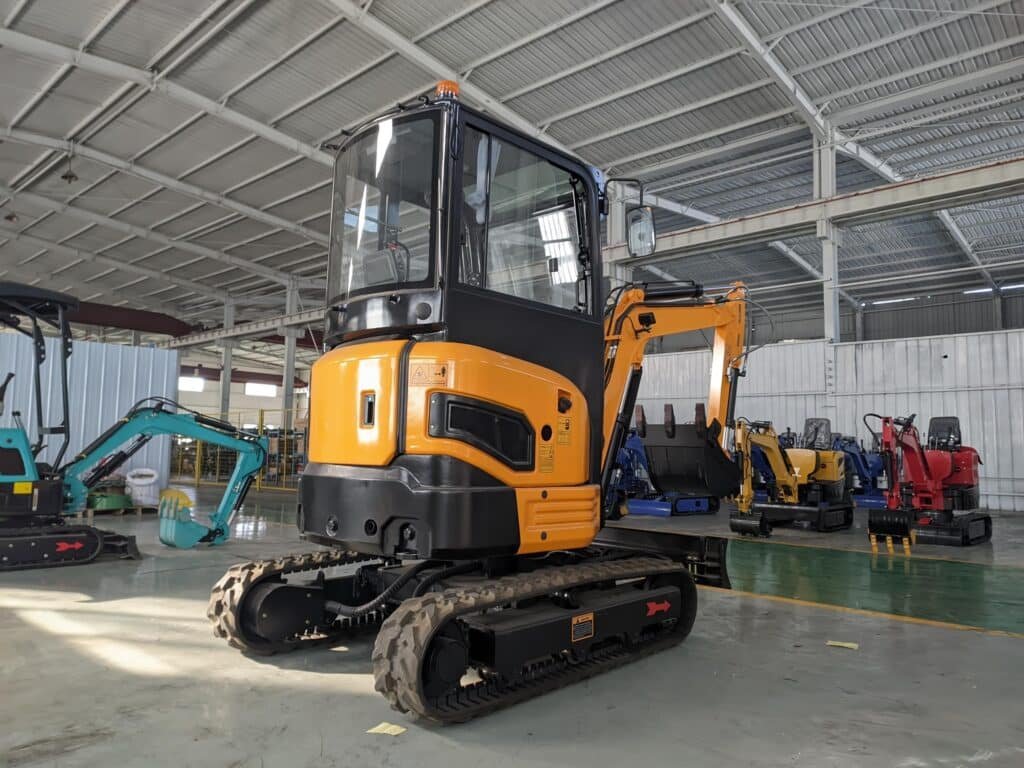
4. How Customs Actually Checks HS Codes (Real-World Process)
Many buyers imagine customs officers just checking paperwork. In reality, it’s more detailed.
Step 1: Document Review
Customs checks:
- Commercial invoice
- Packing list
- Bill of lading
- HS code declaration
If something doesn’t match, inspection risk increases.
Step 2: Visual Inspection (Random or Targeted)
Customs may:
- Open the container
- Check machine type
- Verify engine, tracks, hydraulics
A mini excavator cannot pretend to be “spare parts.”
Step 3: Value & Code Cross-Check
Customs systems compare:
- HS code
- Declared value
- Country of origin
- Historical import data
If the declared value looks too low for 8429.52, customs will ask questions.
5. Import Duties, VAT, and Taxes: What to Expect
Import Duty
Depends on:
- Country
- Trade agreements
- HS sub-code
Typical duty range:
- 0% – 8% (varies by country)
VAT / GST
Usually:
- 10% – 25%
Based on: - CIF value (machine + shipping + insurance)
Important Reality Check
Using the wrong HS code does NOT legally reduce taxes.
It only:
- Delays clearance
- Triggers audits
- Risks fines
Long-term importers always prefer clean paperwork.
6. Certificates Commonly Required for Customs Clearance
HS code alone is not enough. Customs may also request:
Common Documents
- Certificate of Origin
- CE declaration (EU)
- EPA / emission documents (US, Canada, Australia)
- Commercial invoice with HS code
- Packing list with serial numbers
Why Certificates Matter
Even with the correct HS code:
- Missing or fake certificates can stop clearance
- Customs may re-inspect the machine
This is where buyers often worry about certificate fraud — and that concern is very real.

7. Typical HS Code Mistakes That Cause Delays or Fines
Mistake 1: Using “General Machinery” Codes
Some suppliers use vague codes to:
- Simplify paperwork
- Hide machine details
Customs hates vague descriptions.
Mistake 2: Declaring Mini Excavators as Agricultural Equipment
Mini excavators are not tractors.
This mistake almost guarantees inspection.
Mistake 3: Copying HS Codes from Old Shipments
HS codes can change slightly by country or year.
Blind copying causes problems.
Mistake 4: Under-Declaring Value
Customs databases already know:
- Typical FOB prices
- Container values
Unrealistic prices trigger audits.
8. How Experienced Factories Prepare HS Codes Correctly
Reliable factories follow a simple rule:
“Make paperwork boring and predictable.”
That means:
- Correct HS code
- Accurate machine description
- Realistic pricing
- Matching serial numbers
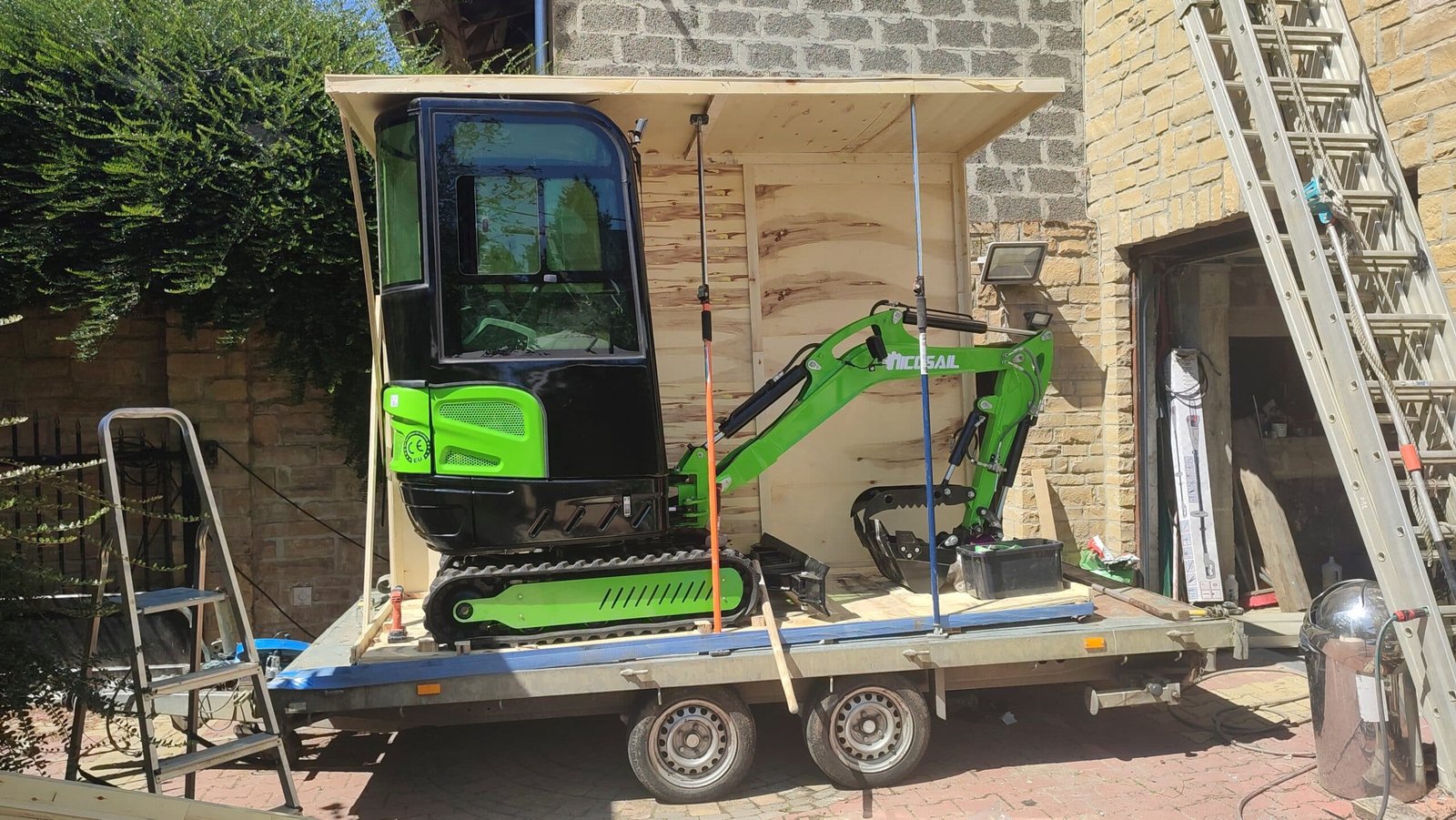
Factories like Nicosail, which export regularly to Europe, North America, and Australia, understand:
- Each market’s customs habits
- Common inspection triggers
- Documentation expectations
This experience reduces:
- Port storage fees
- Clearance delays
- Buyer stress
Not flashy — just reliable.
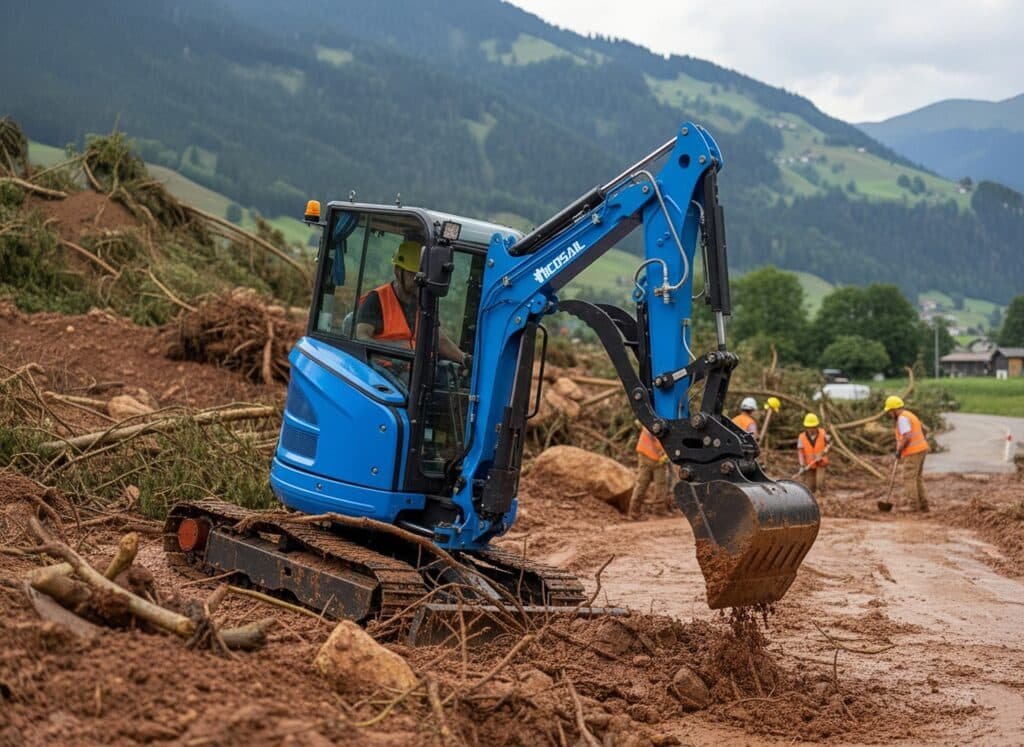
9. Tips for Importers to Double-Check HS Codes Before Shipping
Tip 1: Ask for HS Code Before Payment
A serious supplier will provide it clearly.
Tip 2: Confirm with Local Customs Broker
A 5-minute check can save weeks.
Tip 3: Match HS Code with Machine Description
Weight, function, and movement type must match.
Tip 4: Avoid “Too Clever” Solutions
If a supplier suggests:
- “This code is easier”
- “Customs won’t check”
That’s a warning sign.
10. Why Many Buyers Prefer Reliable Factories like Nicosail
Buyers importing mini excavators are usually not customs experts — and they shouldn’t have to be.
Factories with stable export history:
- Use consistent HS codes
- Prepare compliant documents
- Understand inspection logic
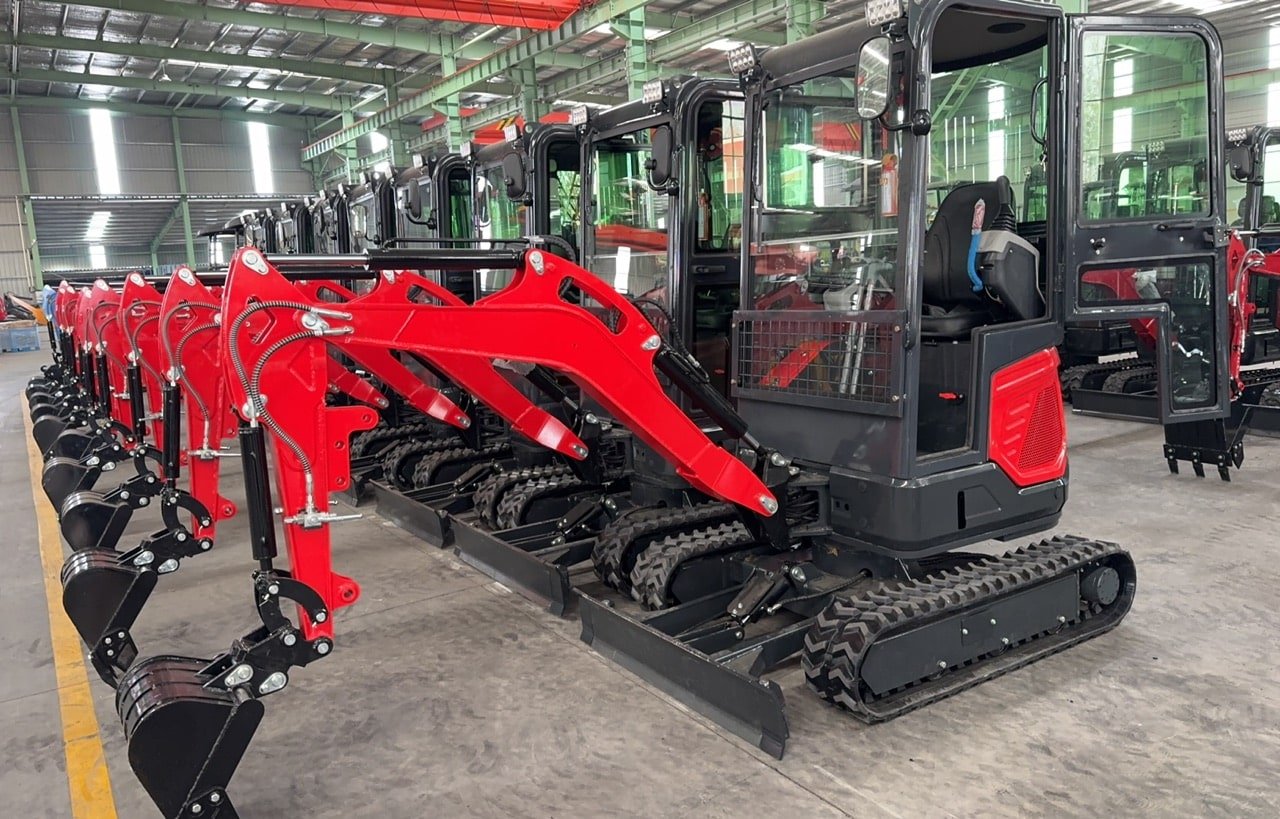
Nicosail, as a factory with multiple production lines and long-term export experience, focuses on:
- Correct classification
- Transparent documents
- Smooth customs clearance
No tricks. No shortcuts. Just fewer surprises at port.
11. FAQ: Customs & HS Codes for Mini Excavators
Q1: Is 8429.52 always correct for mini excavators?
In most cases, yes. But always confirm sub-codes locally.
Q2: Can one HS code cover different tonnage machines?
Yes, mini excavators from 1–6 tons usually fall under the same category.
Q3: Can wrong HS code cause seizure?
In serious cases of misdeclaration, yes.
Q4: Should buyers or suppliers decide the HS code?
It should be agreed together, with buyer confirmation.
Q5: Are HS codes the same worldwide?
The first 6 digits are international; the rest vary by country.
12. Final Summary: Import with Fewer Surprises
Importing mini excavators from China doesn’t have to be complicated — but HS codes must be right.
Key takeaways:
- Mini excavators usually fall under HS code 8429.52
- Wrong codes cause delays, inspections, and extra costs
- Clean paperwork beats clever shortcuts
- Experienced factories reduce customs risks
For buyers who want machines that arrive on time, cleared, and ready to sell or work, understanding HS codes is not optional — it’s part of smart importing.
Reliable partners, realistic documents, and correct classification make all the difference.