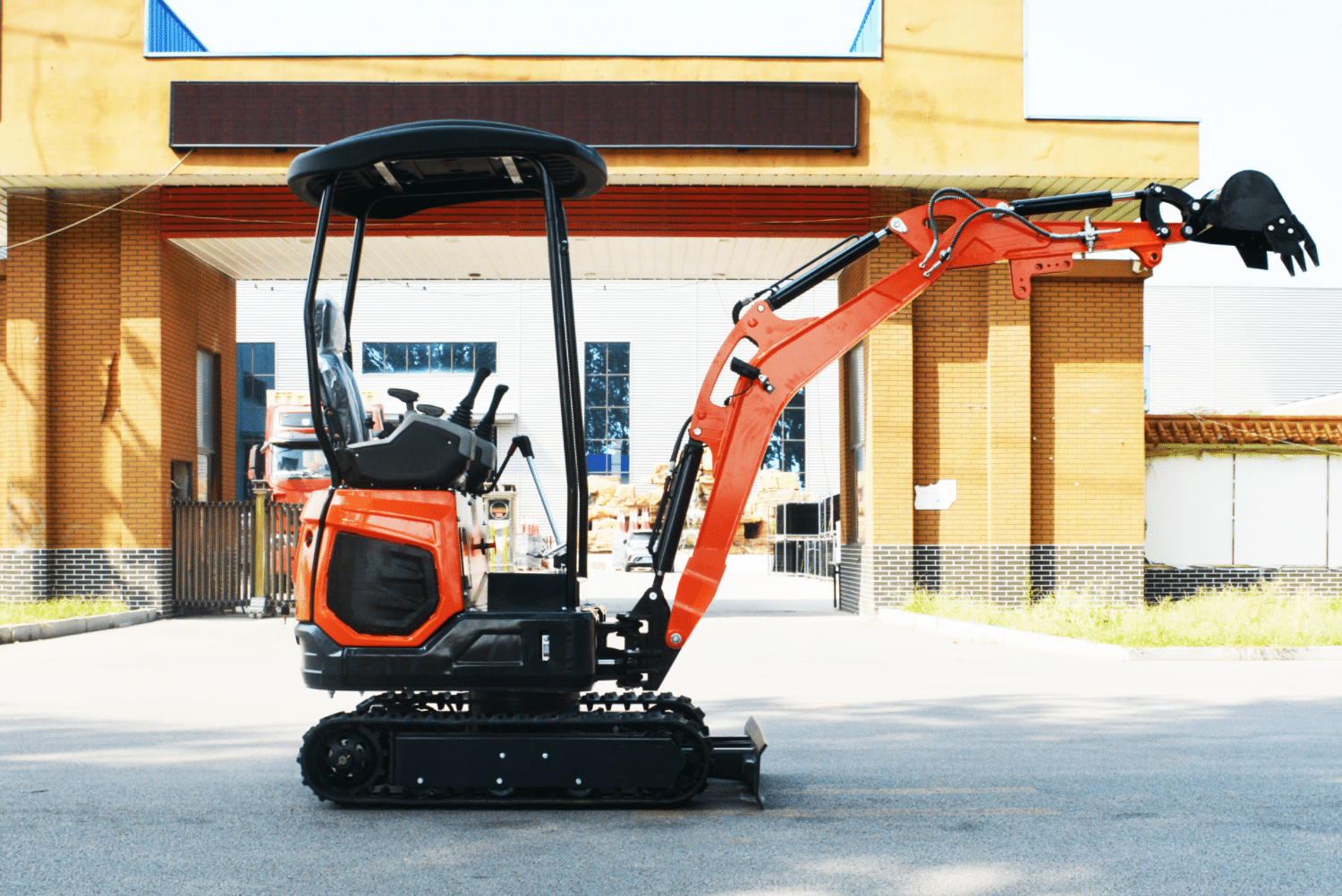
1. Why the 2-Ton Mini Excavator Is So Popular
In Europe, North America, and Australia, the 2-ton mini excavator is one of the best-selling compact machines.
It hits a sweet spot:
- Small enough to pass through narrow gates
- Strong enough to dig foundations and trenches
- Light enough for easy transport
- Affordable for rental fleets
For B2B buyers and distributors, this class moves fast. It fits landscapers, farmers, small contractors, fencing companies, and even homeowners doing serious renovation work.
In short — it’s a machine that sells.
2. What “2-Ton Class” Really Means
When people say “2-ton mini excavator,” they usually mean:
- Operating weight: 1,800–2,200 kg
- Zero tail or small tail swing
- 0.04–0.06 m³ bucket capacity
- 1.7–2.2 meter digging depth
It’s compact but not weak.
This size competes directly with models like:
- Kubota KX018-4
- Bobcat E20
- Yanmar ViO17
Customers compare Chinese brands to these machines all the time. So the key question becomes:
Can a Chinese factory model match performance while keeping price competitive?
Let’s break it down.
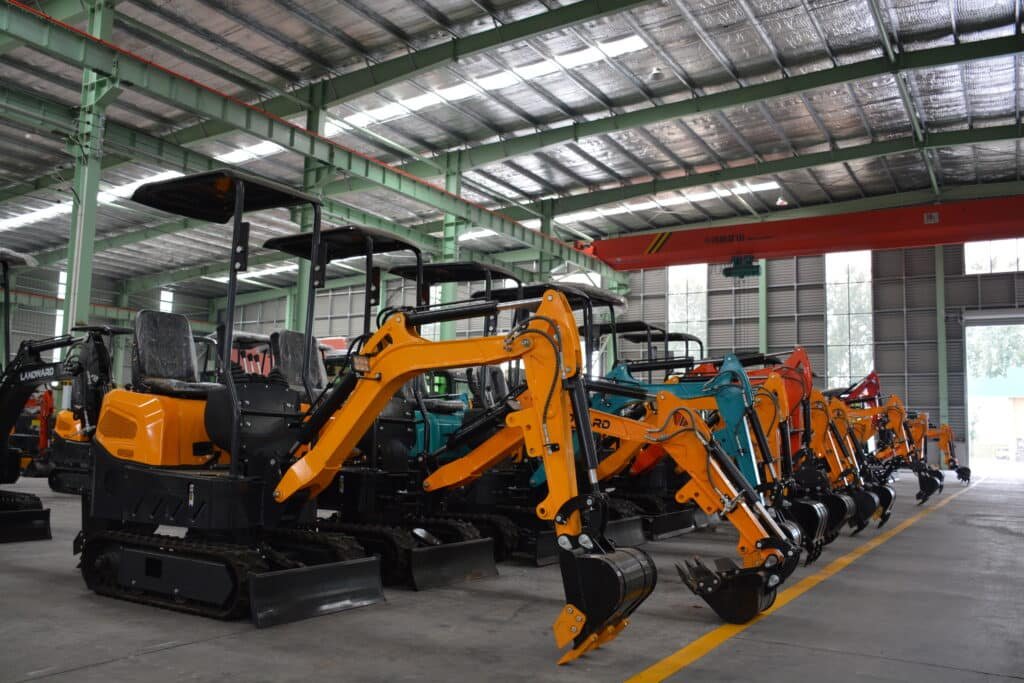
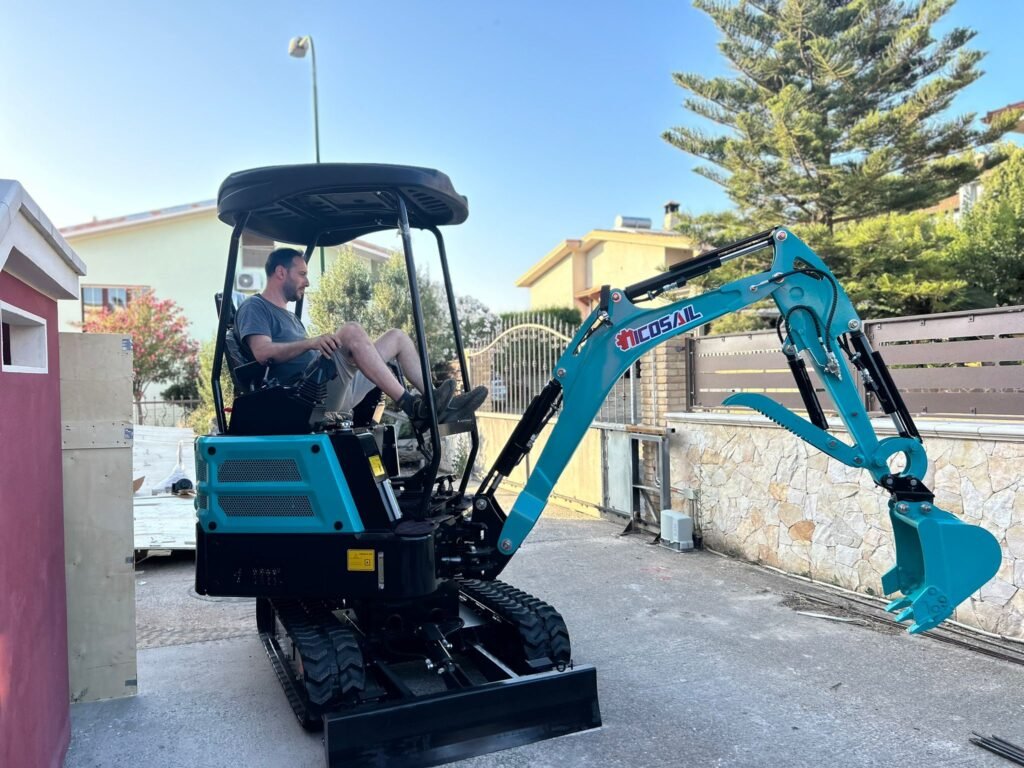
3. Nicosail 2-Ton Mini Excavator – Key Specifications
A typical Nicosail 2-ton class model offers:
Basic Specifications
- Operating weight: 1,950–2,100 kg
- Engine: 18–25 HP (EPA / Euro 5 options)
- Digging depth: approx. 2,000 mm
- Bucket width: 400 mm standard
- Swing boom option available
- Expandable undercarriage (optional)
- Rubber track standard
These specs are not just numbers on paper.
From factory data:
Machines tested continuously for 6–8 hours under trench digging load show stable hydraulic temperature control and no abnormal leakage.
That’s the kind of “invisible reliability” buyers need but rarely see in brochures.
4. Engine Options and Hydraulic Performance
For export markets, engine selection matters a lot.
Common configurations include:
- Kubota engine (for premium positioning)
- Chinese single-cylinder engine (budget model)
- EPA-certified gasoline engine (for US entry-level market)
Many distributors worry about certification fraud. That’s understandable.
Reliable factories provide:
- Engine serial number verification
- Emission certificate copies
- VIN plate consistency
- Pre-shipment inspection photos
Hydraulic system is equally important. In the 2-ton class:
- Gear pump system
- Stable flow rate
- Simple design = easier maintenance
For rental companies, simple hydraulic systems reduce downtime. That’s money saved.
5. Structural Design: What Makes a Machine Last
Here’s where many buyers get confused.
Two machines may look identical outside.
But inside, big difference.
Frame Thickness
Reliable factories use:
- 6–8 mm steel for key stress points
- Reinforced boom welds
- One-piece counterweight casting
Low-cost workshops often cut steel thickness by 1–2 mm.
It saves $80–$120 per unit.
But long-term? Cracks appear at 800–1200 hours.
Welding Quality
Factory-level welding includes:
- Robotic welds on main frame
- Manual reinforcement at stress points
- Crack detection before painting
These details don’t show in pictures. But they matter in resale value.
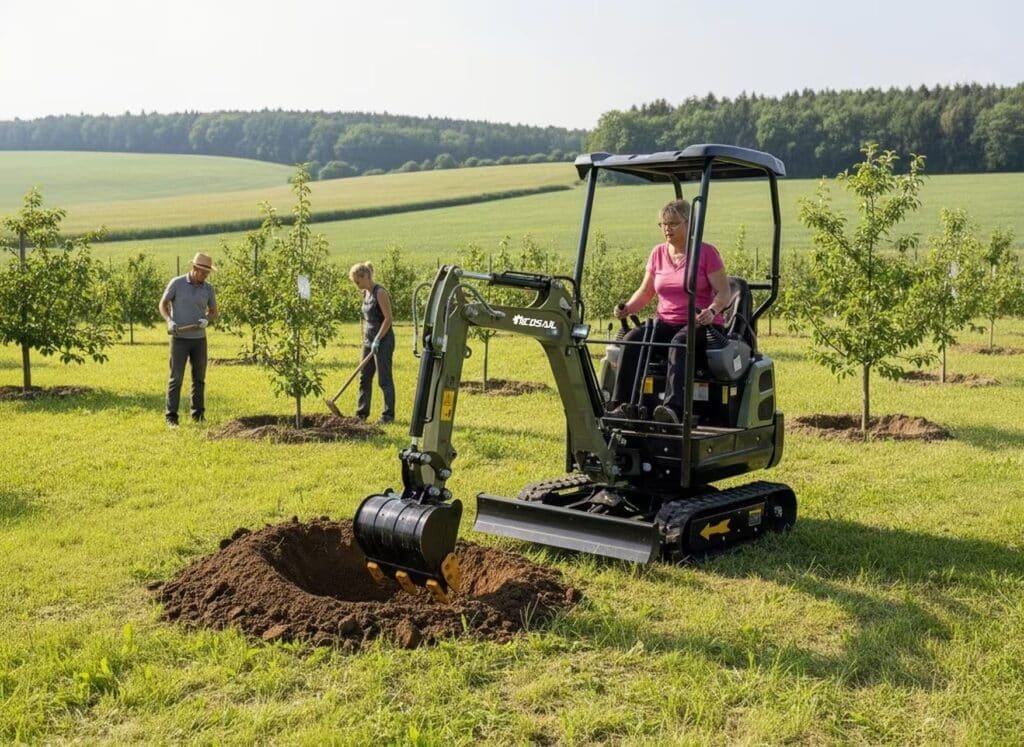
6. Real Jobsite Use Cases
The 2-ton mini excavator fits many real scenarios:
Landscaping Projects
- Digging tree holes
- Installing drainage
- Leveling small yards
Fits through backyard gates — very important in Europe.
Farm Work
- Irrigation trenches
- Cleaning ditches
- Fence installation
Farmers love simple machines. No complex electronics. Easy maintenance.
Small Construction
- Footing excavation
- Utility trenching
- Interior demolition
Contractors often say:
“It’s not about power. It’s about control in tight space.”
And that’s exactly where this class performs best.
7. Pricing Breakdown: Factory Cost vs Market Price
Now let’s talk honestly about pricing.
Factory Export Price (FOB China)
Depending on configuration:
- Basic version: USD 3,500–4,500
- EPA / Euro 5 version: USD 4,500–6,000
- Premium engine version: USD 6,000–7,500
Distributor Retail Price (Europe / North America)
- USD 9,000–18,000
That margin covers:
- Freight
- Duties
- Certification
- Rebranding
- Dealer profit
- After-sales support
For distributors like Mark in Germany or Canada, this model works well because:
- Investment per unit is manageable
- Demand is stable
- Spare parts cost is low
The key is choosing a reliable factory — not just lowest price.
8. Common Buying Mistakes (And How to Avoid Them)
Mistake 1: Only Comparing Horsepower
Horsepower is not everything.
Hydraulic tuning matters more.
A 20 HP machine with smooth control often performs better than a 25 HP machine with unstable flow.
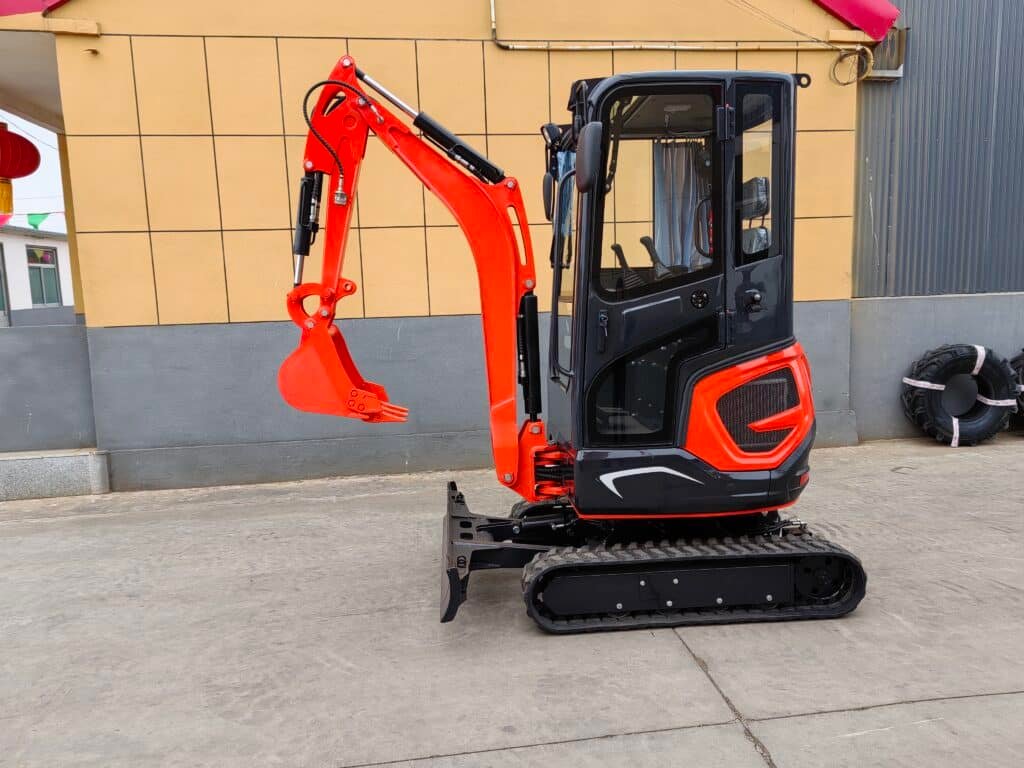
Mistake 2: Ignoring Spare Parts Supply
Ask factory:
- Do they stock hydraulic pumps?
- Swing motors?
- Travel motors?
- Electrical harness?
If spare parts take 40 days to ship, your rental business loses money.
Mistake 3: No Pre-Shipment Inspection
Professional suppliers provide:
- Machine testing video
- Cold start video
- Full operation demo
- Serial number photo
This reduces risk dramatically.
9. Why Dealers Choose Nicosail
Nicosail is not a trading company. It operates as a genuine factory with international trade show experience.
Key strengths:
- Stable welding quality
- Transparent certification process
- Custom color and branding options
- Consistent shipment schedule
- Parts supply support
For B2B distributors, consistency is more important than short-term low pricing.
A reliable partner helps avoid:
- Delayed peak season sales
- Certification problems
- Customer complaints
That’s where Nicosail positions itself — stable, export-focused, practical machines.
10. Final Thoughts
The 2-ton mini excavator class is not just popular — it’s strategic.
For:
- Distributors
- Rental fleets
- Small contractors
- Farm owners
It offers:
- Low entry cost
- Strong resale value
- Wide application range
- Easy transport
But success depends on choosing the right supplier and correct configuration.
Look beyond appearance.
Check structure.
Verify certification.
Test hydraulic response.
Confirm parts support.
That’s how to avoid costly mistakes.
FAQ – Questions Buyers Often Ask
1. Is a 2-ton mini excavator strong enough for foundation work?
For small residential foundations, yes. For heavy commercial projects, larger 3–5 ton machines are better.
2. What engine is safest for the US market?
EPA-certified engines only. Always verify certificate authenticity and engine serial number.
3. How long does shipping take from China?
Normally 25–40 days depending on destination and port congestion.
4. Is it worth adding swing boom?
If customers work in tight urban areas, yes. It improves flexibility and resale value.
5. How many units fit in one container?
Usually:
- 6–8 units in 20GP
- 12–16 units in 40HQ
Depends on disassembly method.
Conclusion
The 2-ton mini excavator is one of the most practical machines in today’s compact equipment market.
It’s affordable.
It’s versatile.
It’s easy to transport.
And it sells consistently across Europe, North America, and Australia.
For distributors and contractors who want steady turnover and low risk, this class is a smart investment.
Choose the right configuration.
Choose a reliable factory.
Focus on long-term value.
That’s how to build profit — and reputation — in the compact machinery business.