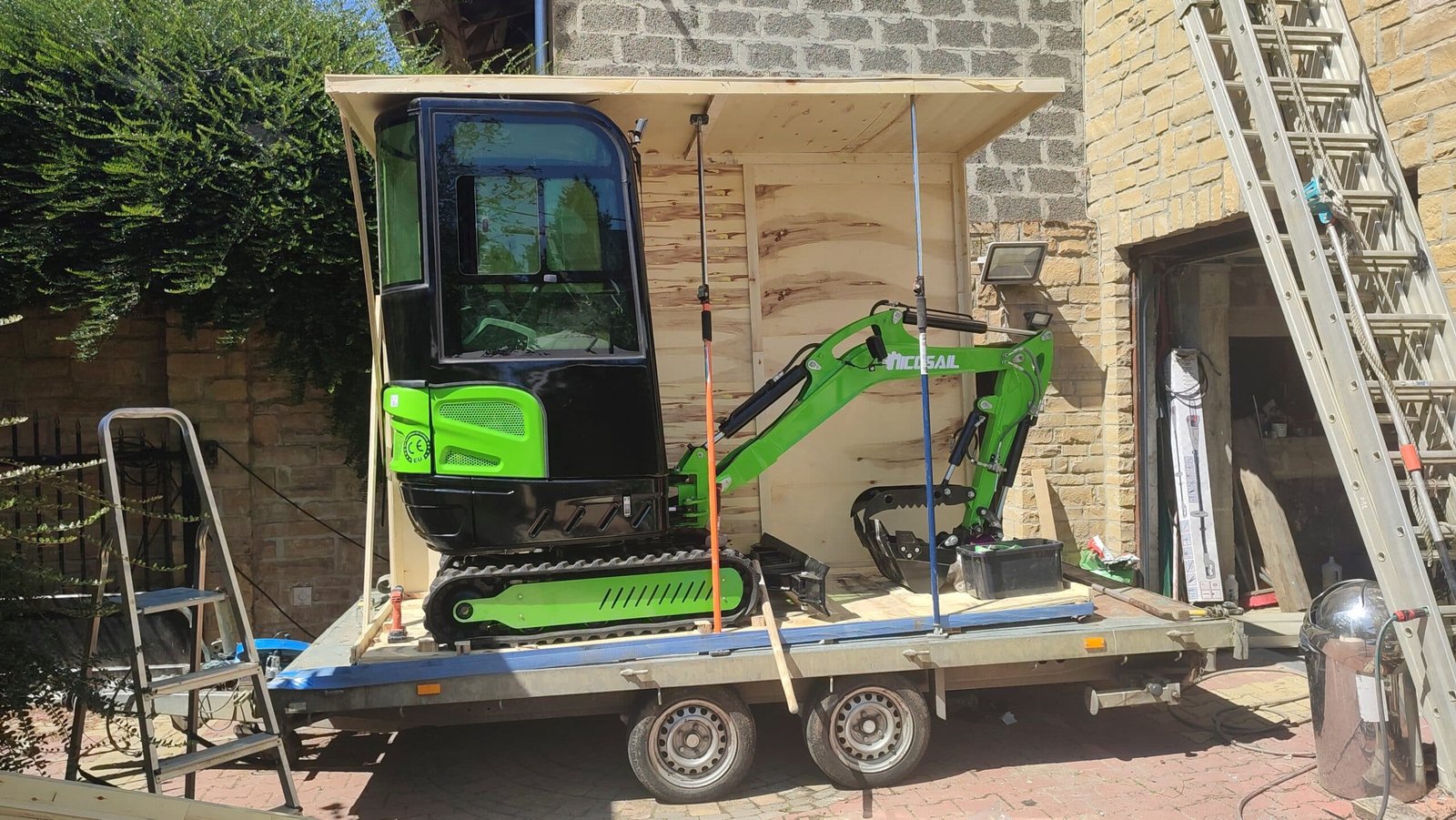
1. Why emissions compliance is a “make-or-break” issue
If a small excavator fails emissions compliance in the destination country, the problem usually isn’t a small fine. The real damage looks like this:
- The machine gets held at the port while paperwork is questioned.
- Dealers miss the peak selling season because inventory arrives late.
- The buyer gets stuck with a unit that can’t be legally sold or registered for certain jobs.
- Warranty support becomes messy because the engine configuration is “nonstandard.”
That’s why experienced importers treat emissions compliance as a pre-order job, not a “we’ll fix it after shipping” job.
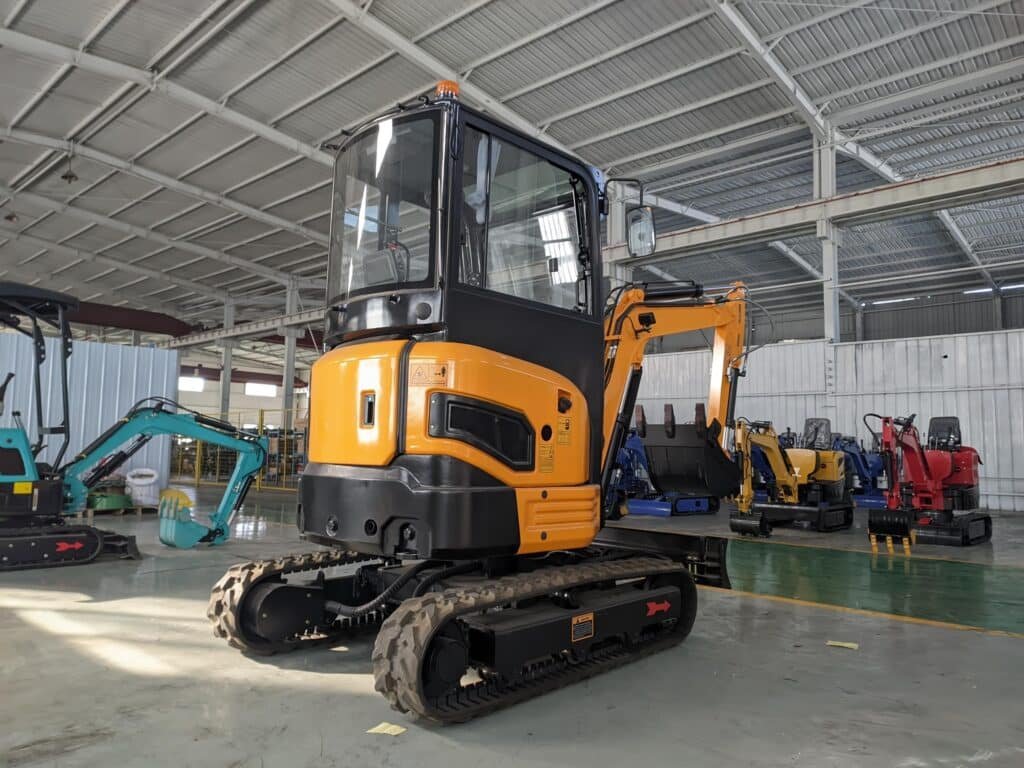
2. The big idea: the engine is what gets certified (most of the time)
For nonroad equipment like mini excavators, regulators typically certify the engine family / engine type, not the paint color, boom shape, or cab style.
So the smartest approach is simple:
Pick the target market → identify the emissions tier required → lock the correct certified engine configuration → document it → protect it from last-minute substitutions.
In the EU, the legal framework for non-road mobile machinery engines is built around EU type-approval for engines under Regulation (EU) 2016/1628 (“Stage V”).
In the US, EPA rules require certification by engine family and the certificate is valid for the model year.
In Canada, off-road compression-ignition engine standards are aligned with US EPA standards (with its own administrative requirements).
3. Common standards by region (what buyers usually mean by “compliant”)
3.1 European Union: Stage V (NRMM)
For most new sales into the EU, buyers usually aim for Stage V. Stage V tightened particulate rules and added particle number limits in many power ranges, which is why DPF shows up so often in discussions.
The key point: compliance is proven through engine type-approval under Regulation (EU) 2016/1628.
And compliant engines must carry specific markings/labels, which are often the quickest verification method during inspections.
3.2 United States: EPA Nonroad (Tier 4 Final)
In the US market, “Tier 4” is the phrase everyone uses. Tier 4 standards were phased in across years and power categories, and the big picture is a major reduction in PM and NOx compared with earlier tiers.
What matters in real purchasing terms:
- The engine must be covered by a valid EPA Certificate of Conformity (engine family-based).
- The engine should have an EPA emissions label with the engine family information that can be checked against EPA certification data.
3.3 Canada: aligned with EPA, plus Canadian marking/admin rules
Canada’s off-road compression-ignition engine regulations align emission standards and test procedures with the US EPA, but administration and reporting details can differ.
Canada also uses a National Emissions Mark concept and requirements on label placement/format.
3.4 Practical note for “other markets”
Many buyers in Australia, New Zealand, and parts of the Middle East/Africa often reference “EU” or “US” engine compliance as a proxy requirement in tenders, fleet rules, or corporate ESG policies. Even when the law is less strict, customers and job sites can be strict.
So it still pays to treat emissions compliance as a documented engine configuration, not a verbal promise.
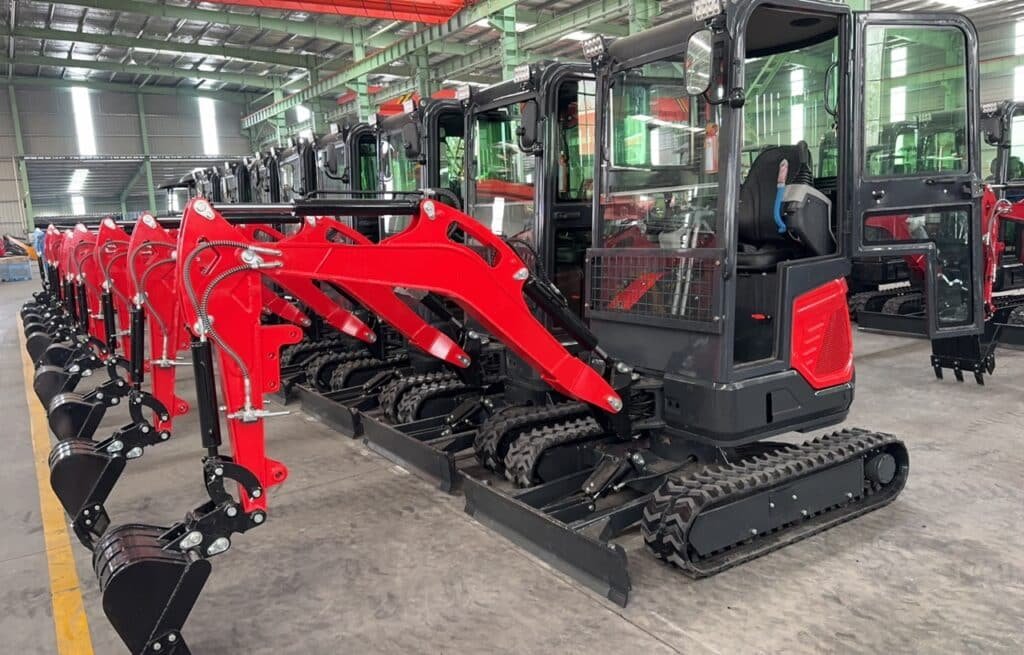
4. The documents that matter (and the red flags that scream “fake”)
A lot of buying stress comes from not knowing which papers actually matter. Here’s the short version:
4.1 Documents that usually matter most
For EU (Stage V) buyers:
- Engine EU type-approval documentation / engine identification details that match the engine label. (The regulation is built around engine type-approval.)
- Engine emissions label/markings consistent with Stage V requirements.
For US buyers:
- Proof the engine family is covered by a valid EPA Certificate of Conformity (and the engine family number is typically found on the emissions label).
- Import paperwork readiness: EPA has specific forms for importing nonroad engines/equipment (commonly EPA Form 3520-21 for nonroad engines and equipment).
For Canada buyers:
- Evidence the engine meets Canada’s aligned standards and Canadian labeling/admin rules; Canada’s guidance notes alignment with EPA CFR provisions.
- National Emissions Mark / label requirements where applicable.
4.2 Red flags that should stop the deal (or trigger a deep audit)
These patterns show up again and again in failed shipments and “certificate fraud” stories:
- The certificate doesn’t match the engine model / engine family shown on the physical label.
- The label looks new but the engine casting looks old (or serial numbers look re-stamped).
- The supplier provides a “compliance letter” but refuses to provide engine-family-level evidence or database-verifiable data.
- The engine is advertised as Stage V / Tier 4, but the aftertreatment (DPF/SCR) is missing, bypassed, or “optional.”
5. How to verify compliance without being a technical expert
A buyer doesn’t need to be an engineer. The trick is to verify identity and traceability.
Step A: Decide the compliance target (in writing)
Put this directly into the purchase contract:
- Destination country/region
- Required standard (example: “EU Stage V” or “US EPA Tier 4 Final”)
- Engine brand/model and (when applicable) engine family/type approval identifiers
- A “no substitution without written approval” clause
Step B: Verify the engine family/type using official or authoritative sources
For the US, EPA maintains certification data and notes that the engine family number found on the emissions label is used to obtain certification information.
Step C: Match three things every time
- Paperwork
- Engine emissions label
- Physical engine serial/ID plate
If those three do not match perfectly, treat the unit as non-compliant until proven otherwise.
6. Label checks: the fastest on-site inspection method
When a container is about to ship, the easiest “trust but verify” method is the label audit.
6.1 What to look for (US-focused)
- An EPA emissions label that includes the engine family info (needed to check certification).
- Consistent model year references (certificates are model-year specific).
6.2 What to look for (EU Stage V-focused)
Industry guidance on Stage V identification emphasizes required engine markings on the emissions label/plate for engines type-approved under EU NRMM rules.
6.3 Factory-floor reality: why labels fail
In real shipments, label problems usually come from:
- Engines swapped late due to stock shortages
- Wrong label applied during rework
- “Looks the same” assumptions between similar engine variants
That’s why serious buyers ask for label photos + engine plate photos + packing list mapping before payment release.
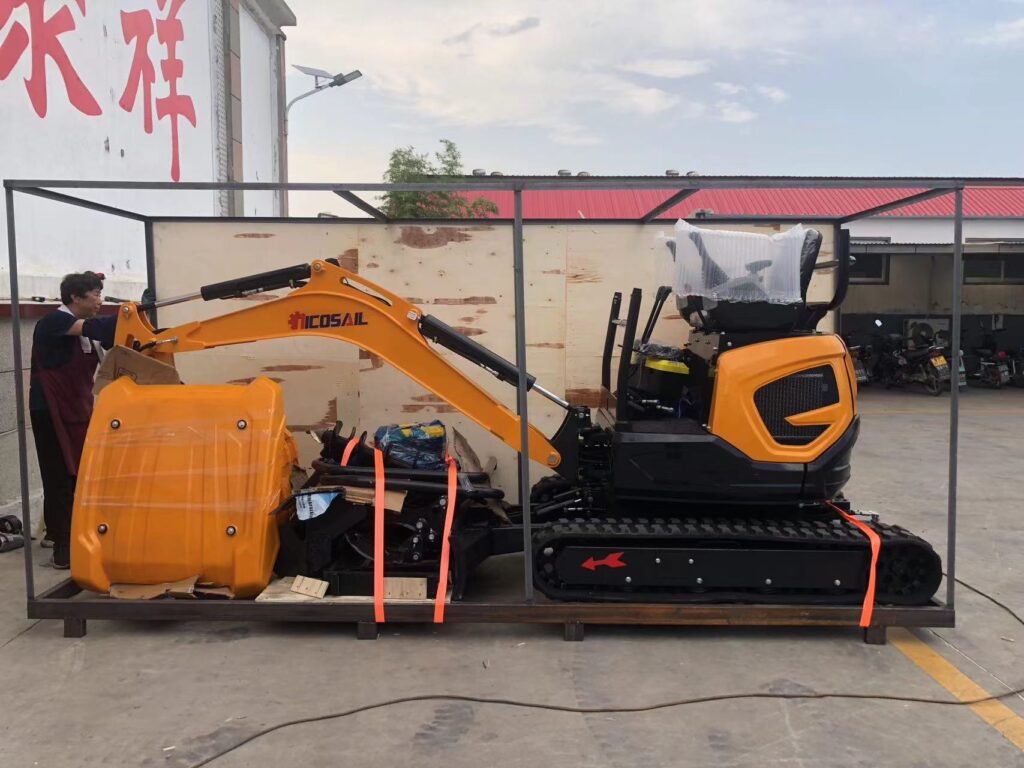
7. Customs/import steps buyers forget (and then pay for later)
7.1 United States: plan for EPA import declarations early
EPA provides forms and guidance for importing vehicles and engines. For nonroad engines (including engines already installed in equipment), EPA references Form 3520-21.
Important practical point:
- The importer needs the correct engine compliance information before the shipment arrives, because customs clearance runs on documentation and declarations.
7.2 Don’t mix “emissions compliance” with “general conformity”
Some buyers confuse emissions compliance with CE or general machinery compliance. They are related in the “risk management” sense, but they are not the same thing. Emissions compliance is tightly tied to the engine certification path.
8. Factory-side controls that reduce risk (what good suppliers do)
Buyers often ask, “How do reliable factories make this smoother?”
Here are controls that tend to separate professional suppliers from risky ones:
8.1 Locked engine BOM (bill of materials)
The production order locks:
- engine model / variant
- emissions tier
- aftertreatment configuration (if applicable)
- label version control
8.2 Pre-shipment emissions identity pack
A strong supplier can provide a single “identity pack” per machine:
- Engine emissions label photo (close-up, readable)
- Engine ID plate photo
- Machine VIN/serial photo
- Packing list mapping: machine serial → engine serial
- Certification references that match what’s on the label
8.3 Traceability that survives rebranding
Many distributors rebrand machines. That’s fine—until the rebrand removes or covers the emissions label. A good factory warns about this and sets rules:
- Never remove emissions labels
- If adding a new brand plate, keep emissions plate visible and intact
- Keep the compliance file tied to the original machine serial
9. Special situations: “transition engines,” stock clearance, and gray zones
If a deal looks “too good,” it’s often built on a gray-zone assumption:
9.1 Transition engines in the EU context
EU rules include concepts for transition engines and timelines.
In plain terms: sometimes engines built under earlier approvals can be sold in limited windows under specific conditions.
Practical advice:
- Treat transition-engine deals as paperwork-heavy deals.
- Require written proof the engine qualifies for the intended sale date and market channel.
- Make sure the engine markings match the legal pathway.
9.2 “Equivalent to Tier 4” claims
“Equivalent” is not a standard. If the market requires Tier 4, the safest path is an engine that is clearly certified to the needed tier with label identifiers that can be verified.
10. A simple buyer checklist (copy/paste)
Use this as a purchasing SOP for every batch:
Before ordering
- Confirm destination country and required emissions tier (Stage V / Tier 4 / etc.)
- Lock engine model + emissions tier in the contract
- Add “no engine substitution without written approval”
- Define required documents and photo evidence
Before production finishes
- Ask for engine emissions label sample photo (readable)
- Ask for engine plate sample photo
- Confirm aftertreatment configuration (if applicable)
Before shipment
- For each unit: collect label photo + engine plate photo + machine serial photo
- Match paperwork identifiers to label identifiers (no mismatches accepted)
- Prepare importer-side customs forms (US often involves EPA 3520-21 for nonroad engines/equipment)
- Store compliance documents in a folder named by machine serial
After arrival
- Keep emissions labels intact during rebrand
- File compliance pack for service, resale, and audits
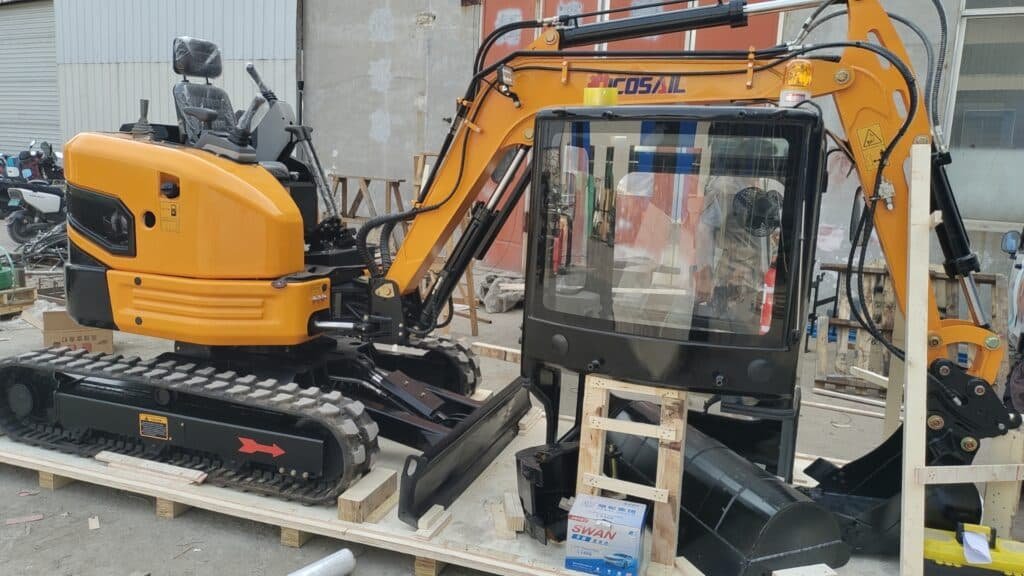
11. Where Nicosail fits
When sourcing from established manufacturers such as Nicosail, the most useful approach is to treat the supplier like a partner in documentation discipline:
- Ask for an emissions identity pack per serial number (label + plates + mapping).
- Ask for “no substitution” controls at the production line.
- Ask for pre-shipment photo verification that a non-technical buyer can understand in 2 minutes.
A supplier doesn’t need fancy marketing words here. What matters is whether the factory can repeatedly deliver traceable engine compliance evidence that matches what customs and end customers expect.
12. FAQ
Q1: Is “CE” enough to prove emissions compliance in Europe?
No. CE relates to broader conformity frameworks, while EU non-road emissions compliance is built around engine type-approval and required markings under Regulation (EU) 2016/1628 (Stage V).
Q2: What is the fastest way to catch a fake or mismatched certificate?
Check the engine emissions label, then verify that the label identifiers match the paperwork. For the US, EPA points out the engine family number on the label is used to obtain certification information.
Q3: If the excavator is small, does emissions compliance matter less?
Small machines often face the same port checks and job-site rules as larger ones. If the market requires a tier, size won’t protect the shipment from being delayed.
Q4: What paperwork is commonly needed for importing nonroad engines/equipment into the US?
EPA provides guidance and forms for importing engines and equipment; EPA references Form 3520-21 for nonroad engines/equipment imports.
Q5: Canada says it aligns with US EPA—so can US paperwork be reused?
Canada aligns standards with the US EPA but can have different administrative/reporting requirements.
So US evidence helps, but don’t assume it automatically satisfies every Canadian requirement.
Q6: What causes “compliant engine, non-compliant machine” problems?
Usually identity and configuration drift:
- engine substitution
- missing/covered labels during rebranding
- aftertreatment removed or altered
The fix is strict serial mapping and photo evidence.
Q7: How should distributors handle rebranding without creating compliance risk?
Keep emissions labels intact and visible. Add brand plates elsewhere. Save the compliance pack by the original serial number.
13. Summary
Emissions compliance for small excavators is mostly an engine identity + documentation game:
- Pick the target market standard (EU Stage V, US EPA Tier 4, Canada aligned rules).
- Lock the certified engine configuration in the contract and forbid substitutions.
- Verify using the emissions label, then match it to paperwork and serial mapping.
- Prepare import documentation early (in the US, EPA commonly points importers to Form 3520-21 for nonroad engines/equipment).
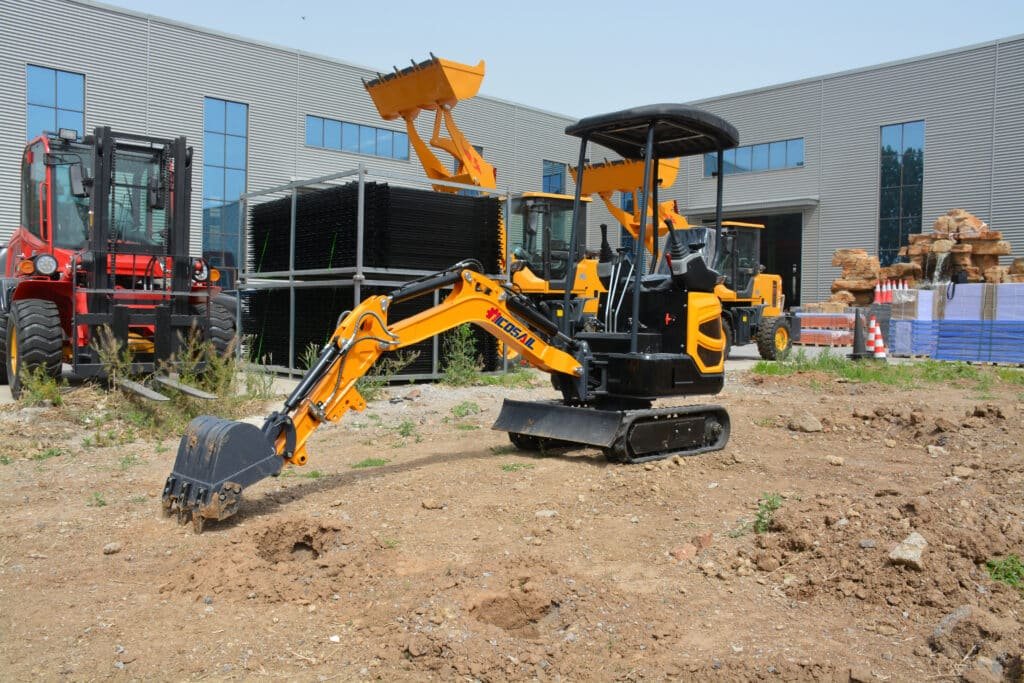
- Choose suppliers (including makers like Nicosail) based on whether they can deliver repeatable traceability—clear labels, consistent serial mapping, and a clean compliance pack per unit.